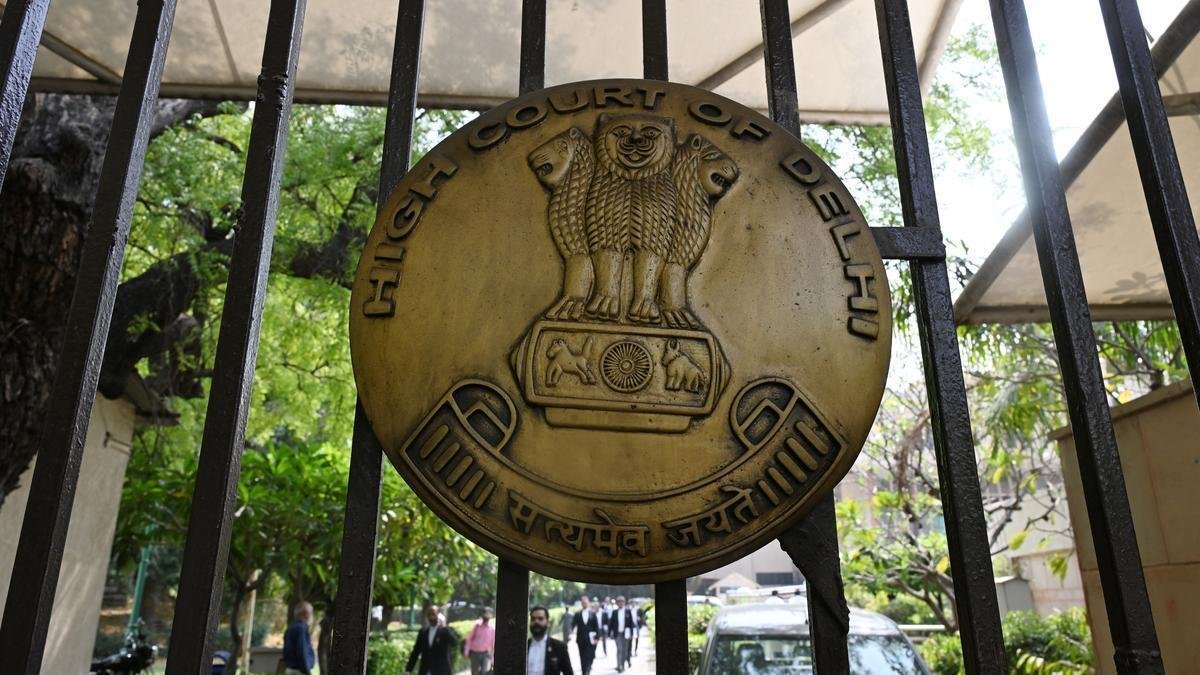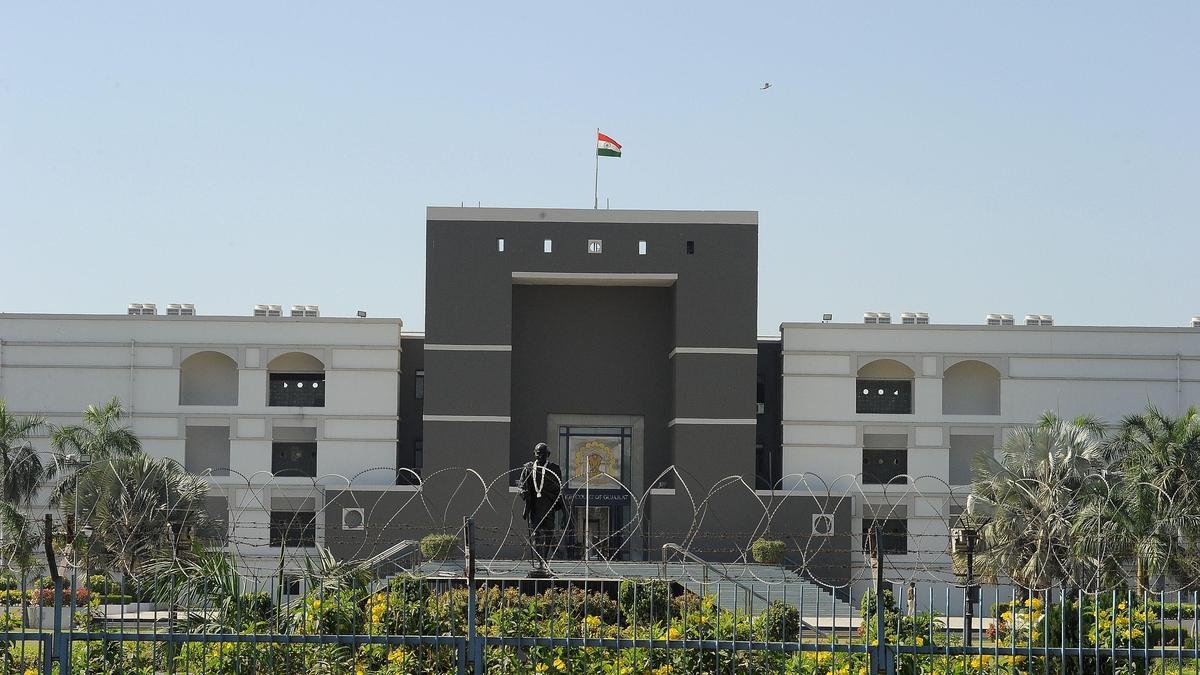
Nearly four years after a special court convicted 49 persons in the 2008 Ahmedabad serial blasts case, the Gujarat High Court on Tuesday (July 7, 2026) upheld the verdict, confirming death sentences for 38 members of the banned Indian Mujahideen (IM) and life imprisonment for 11 others while directing the Gujarat government to compensate the victims and their families.
A Division Bench of Justices A.Y.
Kogje and Samir Dave dismissed all appeals filed by the convicts against the special court’s February 2022 judgment and confirmed the sentences.
The Bench also accepted the State government’s plea seeking confirmation of the death sentences.
The High Court directed the State government to pay compensation of ₹10 lakh to the next of kin of each person killed in the blasts and ₹5 lakh to those who sustained grievous injuries.
The compensation is to be disbursed before March 30, 2027.
Ahmedabad blast: how terrorists spread the terror network The February 2022 judgment by the special court was the first instance of an Indian court awarding the death penalty to 38 convicts in a single case.
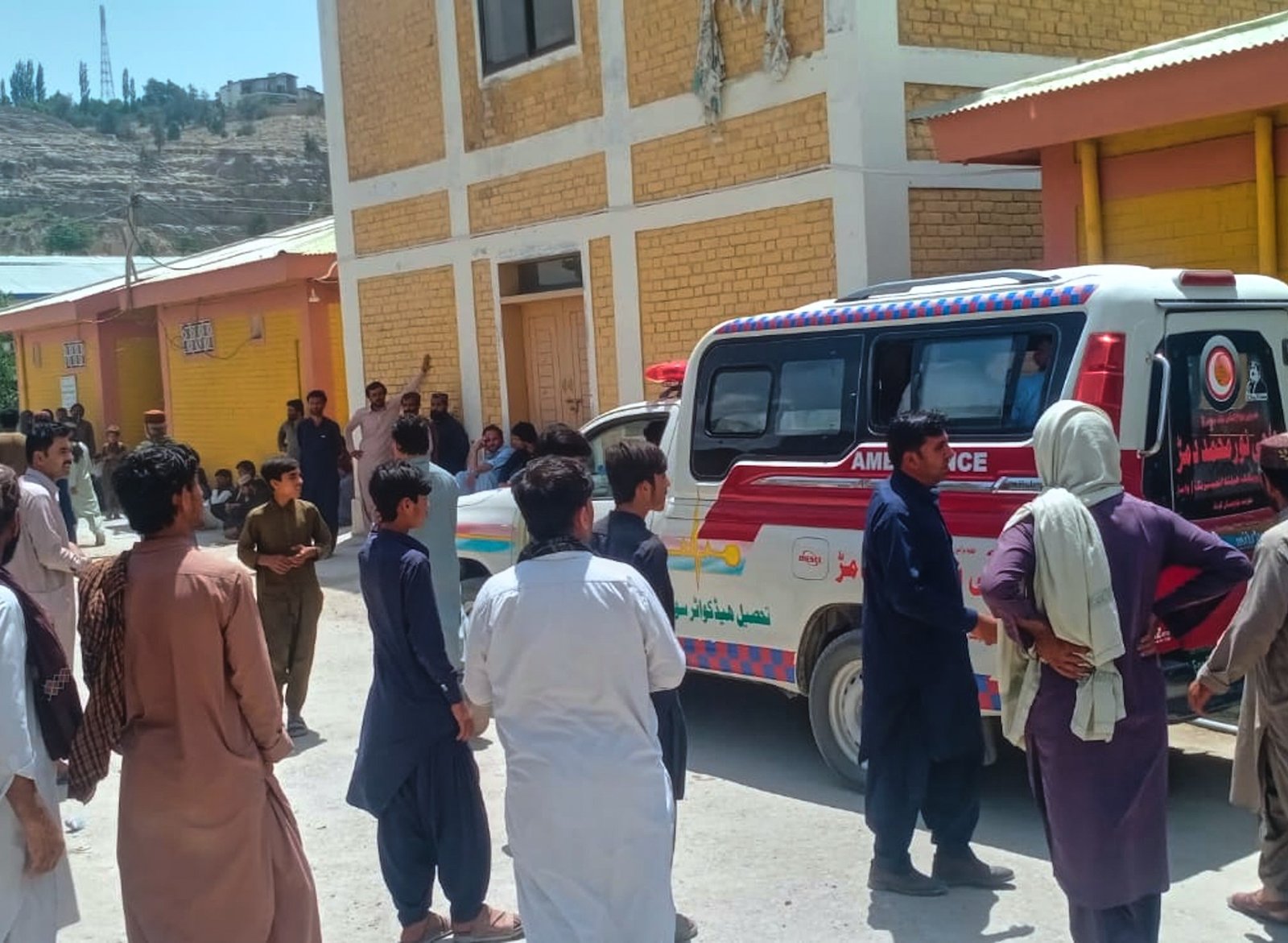
On July 26, 2008, 21 serial bomb blasts ripped through different parts of Ahmedabad within a span of 70 minutes, killing 56 people and injuring more than 200 others.
Explosions also occurred at hospitals where victims from earlier blast sites had been taken for treatment, marking the first known instance of hospitals being targeted in a terror attack in India.
The investigation culminated in a joint trial after 35 cases were clubbed together, including 20 FIRs registered in Ahmedabad in connection with the 21 explosions and 15 cases from Surat, where several improvised explosive devices had been planted but failed to explode.
A total of 78 persons stood trial before the special court, of whom 49 were convicted in February 2022.
The convicts include former Student Islamic Movement of India (SIMI) leader Safdar Nagori and several of his associates from Gujarat, Madhya Pradesh, Kerala, Uttar Pradesh and other States.
Special Public Prosecutor Amit Patel said the State had placed all evidence against the accused before the High Court.
He said the court heard the matter extensively for more than one-and-a-half years, with day-to-day hearings being conducted from February this year before reserving its verdict.
The February 2022 verdict remains the first occasion on which 38 convicts were awarded the death penalty in a single judgment.
“Today, the Gujarat High Court delivered one of India’s strongest and most historic verdicts: near-total conviction, maximum punishment upheld for the guilty,” said Gujarat Deputy Chief Minister Harsh Sanghavi.
Mr.
Sanghavi, who also holds the Home Department portfolio, said the judgment was not only significant for Ahmedabad and Gujarat but also sent a strong message to the entire country and peace-loving nations across the world that terrorism would not be tolerated.
Calling it one of the biggest legal victories against terrorism and a landmark judgment in India’s judicial history, he thanked the Gujarat High Court, the trial court and the investigating agencies on behalf of the people of Gujarat for their efforts in securing the convictions.
He said the investigation team had worked tirelessly over the years without any legal lapses or compromise, making the verdict possible.
“Justice had finally been delivered to the victims, their families and the people of Gujarat after years of legal proceedings,” he said.
“This judgment reaffirms that there was no place for terrorism or anti-national activities in India and that the verdict will stand as a milestone in the country’s fight against terror,” the Deputy CM said.
Referring to the High Court’s direction to compensate victims, he said the Gujarat government under Chief Minister Bhupendra Patel would immediately implement the order by providing ₹10 lakh to the families of those killed in the blasts and ₹5 lakh to those who sustained grievous injuries.
The State government stands firmly with the affected families and will ensure that the compensation is disbursed without delay, he added.