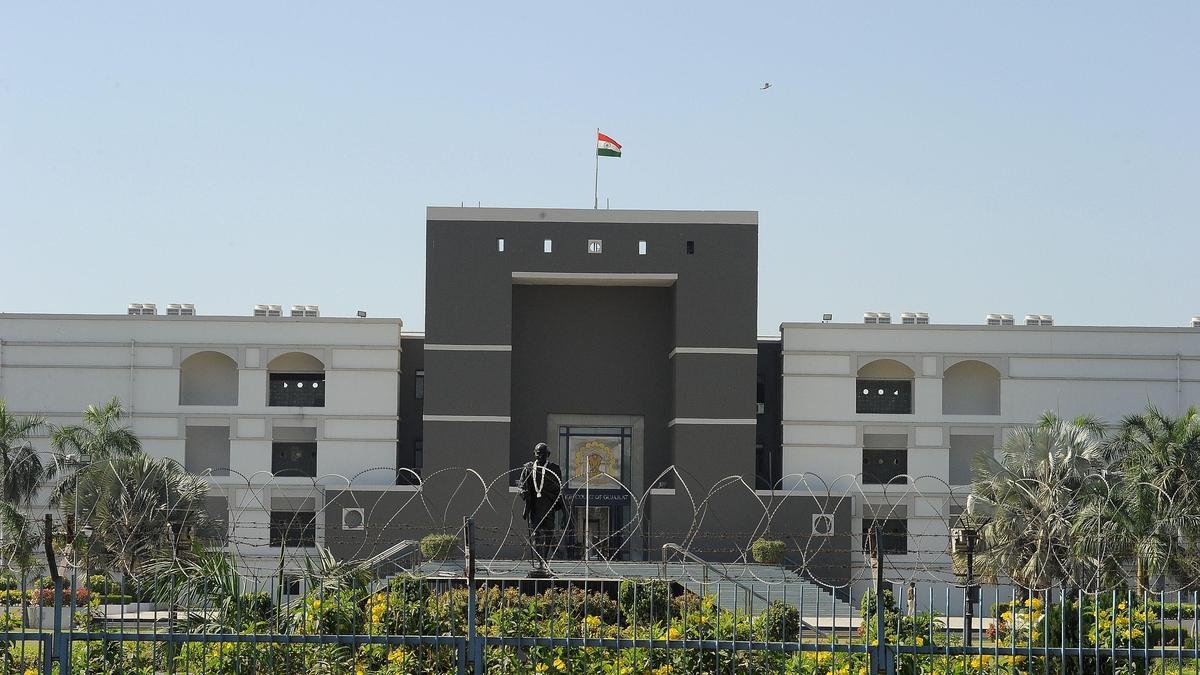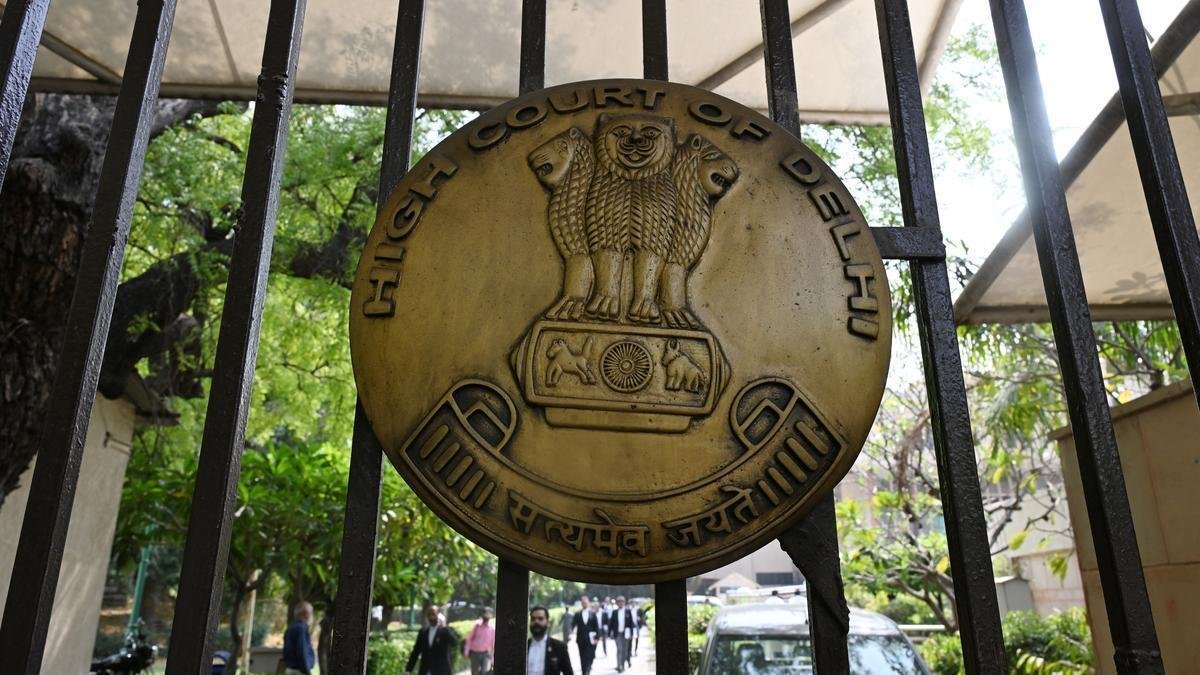
The Delhi High Court on Tuesday (July 7, 2026) refused to grant bail to Athar Khan in a case concerning the “larger conspiracy” behind the February 2020 riots in the capital, noting he was not a “mere local-level operator but one of the main conspirators who conspired to cause deaths during the riots”.
A bench of Justice Prathiba M.
Singh and Justice Madhu Jain dismissed Athar’s appeal challenging the trial court’s January 29 order that denied him relief in the case.
Delhi court rejects Umar Khalid, Sharjeel Imam bail pleas, says bound by Supreme Court order “In fact, if the Appellant (Mr.
Khan) is released on bail, he is likely to pose a flight risk, having regard to the statements made by the protected witnesses.
The Appellant is also likely to adversely influence the witnesses whose evidence is yet to be recorded,” the court said.
Mr.
Khan, a former call centre employee, is accused of being one of the main organisers of the protest at Chand Bagh in northeast Delhi.
In the order denying him bail, the court highlighted that as per statement of the protected witness, he is stated to have “clearly encouraged, exhorted and led others to cause destruction through fire and to cause deaths through violence”.
2020 Delhi riots: Sharjeel Imam, Umar Khalid move fresh bail pleas in ‘larger conspiracy’ case “Releasing the Appellant on bail at this stage would in effect mean that he could also threaten witnesses and could cause disruption in the trial as well.
Despite his team mates repeatedly asking him not to engage in violence, the Appellant refused to obey the same,” the court added.
The court further noted that while others were suggesting that he resort only to non-violent protests, he persisted with his objective of engaging in violent protests, to the extent of even causing death.
“The fact that deaths were caused during the said riots cannot be, therefore, a mere matter of co-incidence,” it added.
The court said his role being prima facie established in causing deaths through violent acts as also in the destruction of private and public property does not satisfy the test under Section 43D(5) of the Unlawful Activities (Prevention) Act (UAPA) for being released on bail.
Khan was initially examined as a witness.
During the course of the investigation, his mobile phone was seized on May 1, 2020.
Subsequently, he was arrested on July 2, 2020 and was arrayed as accused in the charge-sheet.