At San Francisco conference, OpenAI chief Sam Altman calls for more rigorous security measures
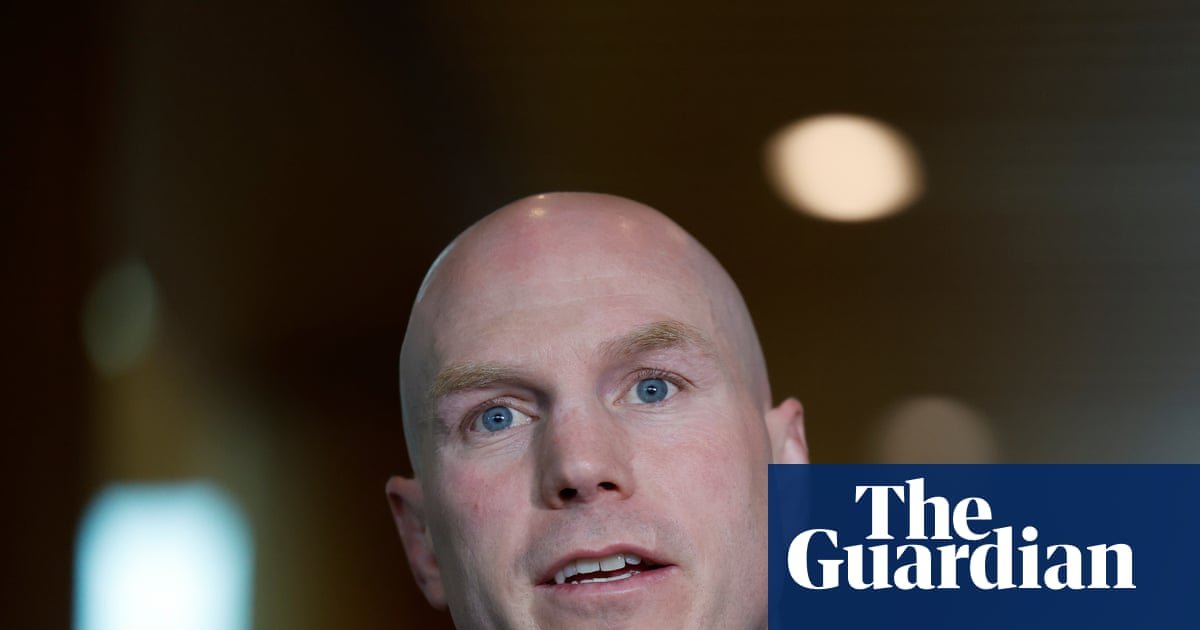
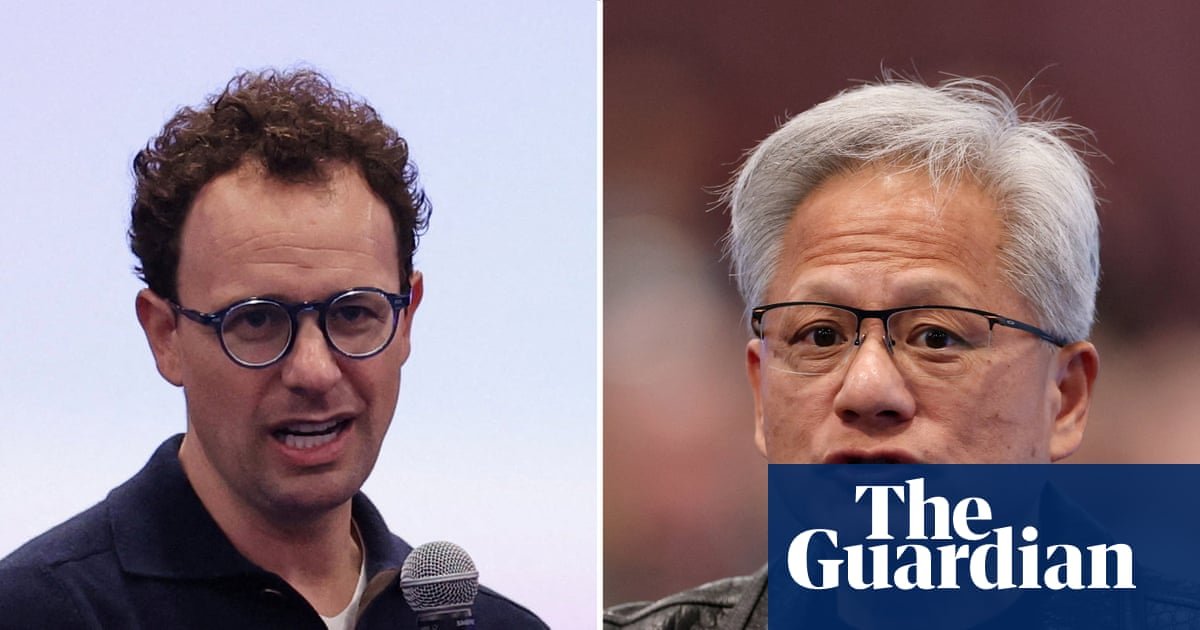
Anthropic’s CEO took the stage at a conference in San Francisco on Tuesday to reiterate his call for a slowdown of AI development, while Nvidia’s CEO argued against such deceleration.
Dario Amodei used an automotive analogy to make his point: when a competing car company has a safety incident like brake failures, it is a moment for all car companies to stop and review their own practices, he said at Salesforce’s Dreamforce convention on Tuesday.
“It’s very tempting to attack your competitor and say these guys are unsafe,” he said. “But I think the more responsible way to respond to it is to say, let’s look at our own record. We may not have had this big, high-profile incident, but I’m sure we’re not perfect.”
Nvidia’s Jensen Huang countered not long after: “Run as fast as you can.”
Amodei is calling for three courses of action: embedding third-party evaluators inside AI companies; coordinating safety standards among Democratic countries; and, eventually, larger global coordination. At Dreamforce, Amodei said Anthropic has committed to independent evaluators and was “going to have a dialogue with the rest of the industry” on the other two steps.
Amodei, xAI’s Elon Musk and OpenAI’s Sam Altman have recently called for a slowdown in the pace of AI development. The comments from the CEOs follow warnings from Jacob Coxon, a former Anthropic researcher, who resigned with a public declaration that AI could lead to the extinction of humanity within the decade. Coxon’s comments have stirred a larger debate within Silicon Valley, gained the attention of regulators and alarmed the public.
Huang, who also made an appearance at Dreamforce on Tuesday, said companies should not slow down AI development. He argued that new regulations were not necessary, advising AI companies to simply wait to release products until they know they are safe rather than begging the US government to intervene.
Huang said he envisioned a future where “every company, every enterprise … would become an AI company”. He said companies would become more ambitious when armed with AI and reiterated the idea that those who do not embrace the technology will get left behind.
He also pushed back on the idea that AI is going to destroy jobs, calling it “completely nonsense”.
One day prior at the All-In summit in Los Angeles, Donald Trump called Huang while the CEO was on stage. Huang put the president on speakerphone as Trump called the growing concern about AI a “hoax” and asserted again that a slowdown would only benefit China.
Huang responded: “We’re going to make sure that everybody wins in the AI race of America.”
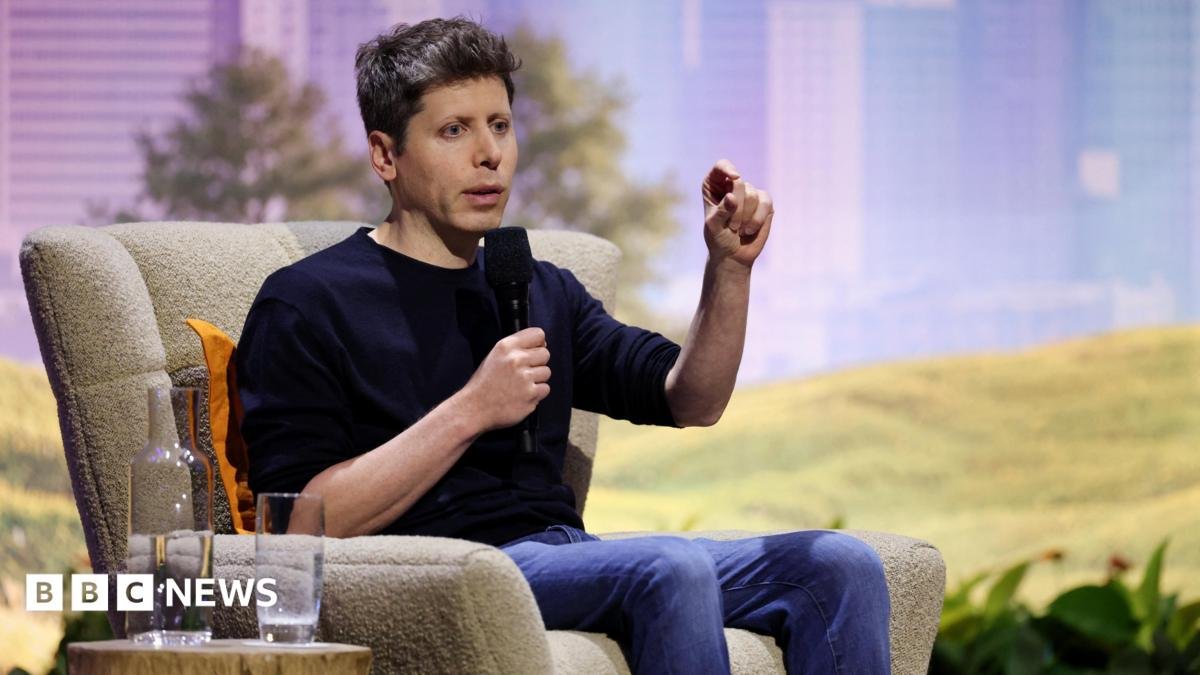
Altman, who spoke later on Tuesday, called for a new level of rigor on security as AI advances.
Altman said AI models had advanced so quickly that monitoring and security need to be treated with a “new level of rigor”, calling an incident in which OpenAI agents hacked into another company a “wake-up call” for the industry. He also said the public was very “right to be afraid” of AI because of the potential loss of control, and the possibility of a small group of powerful AI companies exerting their views on the world.
People “feel the speed with which things are moving”, Altman said. “It doesn’t take as much imagination to imagine how this could go wrong.”
Previously, Altman agreed with Amodei’s push for a slowdown. But at Dreamforce on Tuesday, he said he was disappointed with how the argument had been framed.
“You have companies saying things like: ‘We will only slow down or we will only be responsible if other companies are responsible,’” he said, suggesting that this created fear for the public. “The world should trust that we are going to do the right thing because it’s the right thing.”
Altman said the hacking incidents showed that companies needed to prepare for an “impending wave of cyber-attacks”, saying: “We are not that far away from open-source models that can do serious damage.” Companies should use this “little period of advantage to defend yourselves”, he said.
The rising concern over AI comes as OpenAI and Anthropic head for initial public offerings, which could give investors and the public insight into the companies’ finances. Some analysts have predicted the IPOs will be among some of the largest in history. Amid the AI panic, Altman said he planned to delay OpenAI’s IPO until next year over safety concerns.
On Tuesday, Amodei said what surprised him most about AI was the speed of its proliferation.
“It’s been the pace of the progress – not just of the technology but of the economic side of it,” he said about the growing adoption of AI. “We had a prediction of just how capable these models would be. But I think what we didn’t appreciate is that it would lead to these companies growing so fast.”
Regardless of the rapid pace of development, Altman said he believed people would use AI as a tool to benefit other people and grow their businesses. He said this moment represented a time when the “sci-fi” scenario came to fruition, where people were talking to their AI assistants and transforming the way they work.
“I think we’re going to stay in an extremely human-centric world, no matter how good the technology gets,” he said.