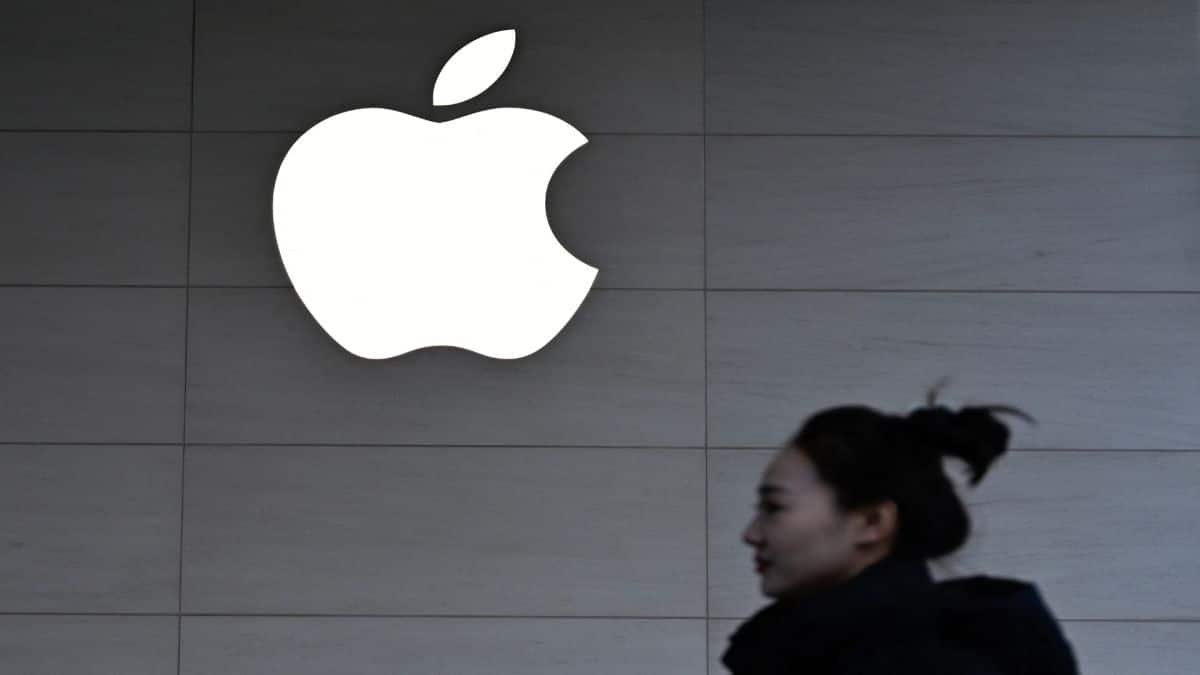
Apple is making a quiet adjustment to one of its popular privacy features, but some users worry the change could have unintended consequences.
The company has informed developers that it will soon alter the domain used by Hide My Email, a service available to iCloud+ subscribers that allows people to create disposable email addresses when signing up for apps and online services. While the feature itself is not disappearing, the update could make it easier for websites and platforms to recognise when someone is using an anonymised address and potentially refuse access.
For years, Hide My Email has served as a convenient way for users to protect their inboxes and keep their personal email addresses away from marketers, unknown websites and data-hungry apps. The service generates random email addresses that forward incoming messages to a person’s primary account, helping users maintain a layer of separation between their identity and the services they use.
A subtle change with big implications
Until now, the temporary addresses created through Hide My Email have blended in with ordinary Apple email accounts because both use the familiar @icloud.com domain. That similarity made it difficult for websites to distinguish between a regular Apple user and someone relying on the privacy-focused service.
However, Apple has told developers that newly generated addresses will soon use the @private.icloud.com domain instead.
Existing email aliases will continue to function normally, according to the company, and messages sent to them will still be forwarded without disruption. Apple has also advised developers and email providers to update their systems to ensure that communications intended for Hide My Email users are not mistakenly blocked.
Although the modification appears minor on the surface, privacy-conscious users have pointed out that the new domain effectively labels an address as anonymous, giving websites the option to reject such accounts altogether.
Quick Reads
Hacking group claims major hack of Novo Nordisk and attempted $25 million extortion
Snap finally launches AR glasses, price starts at $2,195
Users voice concerns over privacy trade-off
The decision has already prompted criticism among some Apple customers. Discussions on Reddit have seen users question the rationale behind the move, with several arguing that the change undermines one of the service’s biggest strengths: its ability to remain indistinguishable from standard iCloud accounts.
Apple has yet to publicly explain the reason for the switch and did not comment on questions surrounding the update.
The development comes amid growing scrutiny around anonymous online identities and digital privacy. Earlier this year, reports emerged that Apple had provided account information linked to a user who employed Hide My Email while allegedly sending threatening messages to the girlfriend of FBI Director Kash Patel.
At the same time, the Trump administration has stepped up efforts aimed at identifying anonymous online users. Over the past year, authorities have increasingly used legal demands to seek user information from technology companies, including accounts belonging to critics of the president.
Against that backdrop, Apple’s latest tweak highlights the delicate balance technology companies face between offering privacy tools and responding to broader concerns around accountability and security.
For most users, the update may pass unnoticed. But for those who rely on anonymity as a key part of their digital lives, a simple change to an email domain could carry far greater significance than it first appears.