Pakistan is finally removing the sales tax on menstrual hygiene products and contraceptives in its federal budget for fiscal year 2026-27.
The decision, which reduces the tax rate from 18 per cent to zero, has been celebrated by activists who have spent years campaigning against what they described as the country’s “period tax” or “pink tax.”
With the announcement, Pakistan joins India who scrapped its period tax in July 2018.
For many campaigners, it represents an acknowledgement by the Pakistani state that products associated with menstruation should be treated as necessities rather than discretionary consumer purchases.
The government also abolished the 18 per cent sales tax on contraceptives, linking the move to concerns over population growth and family planning. Together, the measures have been presented as part of a broader effort to ease financial pressures on citizens while addressing longstanding social and public health concerns.
Why was the tax on menstrual products so controversial?
For years, campaigners argued that Pakistan’s taxation framework placed an unfair burden on women and girls by imposing taxes on products required because of a natural biological process.
Before the latest budget announcement, menstrual hygiene products were subject to an 18 per cent sales tax. However, activists argued that the actual financial burden was much greater than that figure suggested.
Imported materials used in the production of sanitary products faced customs duties that could reach 25 per cent, while additional local taxes and charges further increased retail prices.
According to UNICEF, the cumulative effect of these taxes could increase the cost of sanitary pads by as much as 40 per cent.
Women’s rights groups argued that these additional costs disproportionately affected low-income households and made commercial menstrual products unaffordable for a large segment of the population.
Therefore, sanitary products were effectively being treated as luxury commodities despite their essential role in health and hygiene. Reproductive justice advocates contended that taxing menstrual products amounted to imposing an economic penalty on women for a biological function over which they had no control.
The latest budget measure changes that classification in practical terms. By eliminating the sales tax entirely, the government has effectively moved menstrual hygiene products into the category of essential goods, placing them closer to healthcare necessities than discretionary retail items.
The same reasoning has been applied to contraceptives. Officials argued that reducing costs associated with family planning products could help address broader demographic challenges facing the country.
How did Pakistan’s govt justify the decision?
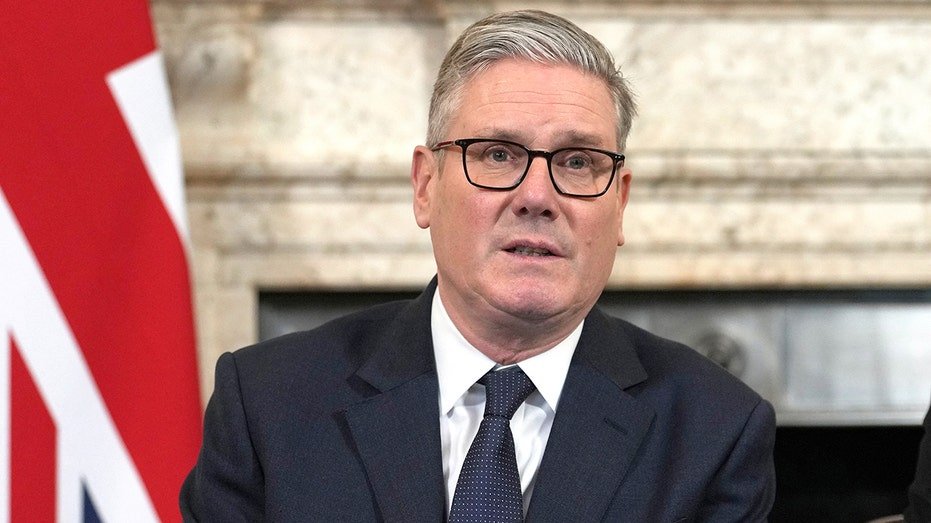
Government officials framed the tax removal as part of a wider package intended to provide relief to citizens while addressing pressing social concerns. Speaking in the National Assembly, Pakistani Information Minister Attaullah Tarar highlighted the long-running campaign against the so-called pink tax.
“Regarding women, it was a massive demand in this country to end the pink tax,” Tarar told lawmakers during a session in the National Assembly.
“Today, the tax on their hygiene products has been reduced to 0 percent from 18 percent.”
Tarar also linked the elimination of taxes on contraceptives to population-related concerns. The minister noted that demographic pressures remain among the country’s most significant long-term challenges and said policymakers viewed greater access to contraceptives as an important component of addressing those issues.
“So, this budget is a relief budget,” Tarar said. “This budget is a budget for an era where we are entering a period of prosperity.”
Pakistani Finance Minister Muhammad Aurangzeb similarly described the products covered by the tax exemption as essential items that directly affect women’s ability to participate in everyday life.
Such items are “indispensable for women’s health, dignity and full participation in social activities,” said Muhammad Aurangzeb, the finance minister.
Aurangzeb also pointed out the government’s concern about population growth. “Pakistan is the fifth-largest country in the world in terms of population,” he added. “Family planning is a top priority of the government.”
What role did a landmark court challenge play?
The campaign gained momentum after a constitutional petition was filed in late 2025 by two young lawyers, Mahnoor Omer and Ahsan Jehangir Khan. Their case argued that the taxation of menstrual products violated Article 25 of Pakistan’s Constitution, which prohibits discrimination on the basis of sex.
The petition maintained that menstruation is an unavoidable biological process and that imposing taxes on products necessary to manage it placed women at a structural disadvantage.
The legal challenge questioned why menstrual products continued to face taxation while other items considered essential were exempt.
According to campaigners involved in the case, the petition exposed inconsistencies in how Pakistan categorised various goods for taxation purposes. The resulting public discussion brought unprecedented attention to menstrual equity and reproductive justice.
The Lahore High Court case was followed by parallel legal efforts, including proceedings in the Sindh High Court, increasing pressure on policymakers to revisit existing tax policies.
Following a hearing in Rawalpindi in late November 2025, the government was directed to provide a response to the arguments raised in the petition so the matter could continue through the courts.
Government submissions reviewed during the proceedings reportedly rejected claims that the tax structure was discriminatory. Officials argued that taxation policies were designed to generate revenue needed for public services and therefore did not constitute unequal treatment.
Despite that position, the federal budget announcement represented a substantial policy reversal.
Khan believes the legal action played a decisive role in forcing authorities to address the issue. “If there was never a constitutional petition, the government would not have woken up to the fact that even the sales tax is wrong,” he told CNN.
The litigation remains active, and campaigners continue to seek broader reforms. “Our fight is very much ongoing, but we are elated that at least the government has realized that these are not luxury products,” added Khan.
If the courts ultimately rule in favour of the petitioners, activists believe the decision could pave the way for the removal of customs duties and other taxes still associated with menstrual products and the materials used to manufacture them.
How did menstrual equity become a national conversation?
The courtroom battle was occurring alongside an energetic grassroots campaign led by reproductive rights organisations and civil society groups. Among the most visible organisations has been Mahwari Justice, which focuses on menstrual equity and reproductive rights.
The group worked to raise awareness about period poverty, challenge social stigma and encourage open discussion of menstruation in a society where the subject has often remained taboo.
Campaigners associated with the movement gathered more than 10,000 signatures supporting menstrual equity reforms. They also distributed relief supplies during environmental emergencies and sought to normalize public discussion around menstruation.
Their efforts helped transform what had long been considered a private issue into a matter of public policy. Following the budget announcement, Mahwari Justice welcomed the government’s decision.
“This is a welcome development for millions of menstruators across Pakistan,” Mahwari Justice said on its Instagram account on Friday.
Activist Bushra Mahnoor argued that the significance of the reform extends well beyond any immediate price reductions consumers may experience. “More than the impact this tax removal is going to have in prices, is the impact it has in de-stigmatising menstruation, and we should not take that lightly,” she told CNN.
For campaigners, one of the most important aspects of the reform is its symbolic value. They argue that the tax exemption represents formal recognition that menstrual health is linked to human dignity, healthcare access and educational participation.
In a country where discussions of sexual and reproductive health have historically faced social resistance, activists view the government’s move as a sign that attitudes may be beginning to change.
Mahnoor Omer, who emerged as one of the leading figures in the campaign and was named among TIME magazine’s Women of the Year for 2026, also publicly acknowledged the support she received during the campaign.
“Thank you so much for the support,” Omer thanked people on Instagram for acknowledging her efforts to fight the period tax in Pakistan.
What does period poverty look like in Pakistan?
While activists have celebrated the policy change, they also point out that the country continues to face a severe menstrual health crisis. Statistics from UNICEF suggest that only between 12 and 16 per cent of women and girls in Pakistan use commercially manufactured menstrual products.
This means that a substantial majority rely on alternatives such as cloth, old fabric and other improvised materials. Data cited by campaigners and international organisations indicates that approximately 88 per cent of women and adolescent girls do not regularly use commercial sanitary pads.
For many households, affordability remains the primary obstacle. Although prices vary, advocates note that a standard pack of commercial sanitary pads often costs between 450 and 600 Pakistani rupees (INR 150-250).
At the same time, many families face significant economic hardship. According to figures, nearly 45 per cent of Pakistan’s population was living below the World Bank’s lower-middle-income poverty threshold as of mid-2025.
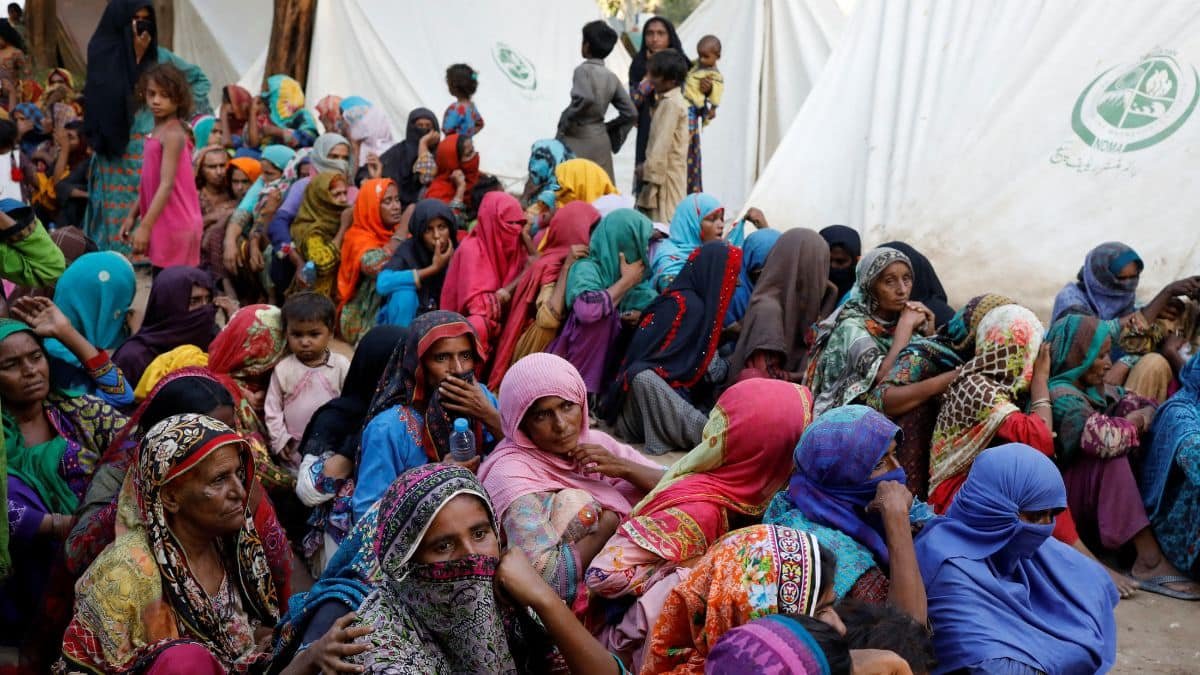
In such circumstances, menstrual products frequently compete with other household necessities for limited resources. The consequences extend beyond hygiene. Reproductive health advocates warn that the use of makeshift alternatives can increase the risk of infections and other health complications.
The issue also affects education. Activists report that many girls miss classes during menstruation due to a lack of affordable products and inadequate sanitation facilities. In some cases, concerns about staining school uniforms or facing embarrassment contribute to absenteeism.
The problem is compounded by infrastructure deficits. Pakistan currently lacks a comprehensive national framework dedicated to menstrual hygiene management. Many schools, workplaces and public facilities do not provide adequate privacy, clean water or safe disposal systems for menstrual waste.
Is the battle over after the tax removal?
Although the 18 per cent sales tax has been abolished, other financial barriers continue to exist. Pakistan still relies heavily on imported raw materials used in the production of sanitary products, and those materials remain subject to customs duties.
Campaigners argue that as long as such charges remain in place, manufacturers may struggle to pass the full benefits of the tax reduction on to consumers.
For that reason, legal advocates are continuing their push for broader reforms that would eliminate duties on imported materials and further reduce production costs. Activists also stress that affordability alone will not resolve issues such as stigma, lack of awareness and inadequate sanitation infrastructure.
Nevertheless, the removal of the sales tax is widely viewed as a watershed moment in Pakistan’s years of advocacy for reproductive rights and menstrual health.