Lawyers tell inquiry that patients’ lives are at stake through improper use of Oxevision system for most vulnerable
Families bereaved by the misuse of an “intrusive” camera monitoring system for vulnerable patients used in half of England’s mental health wards have called for it to be banned to help prevent more avoidable deaths.
Lawyers for the families said “patients’ lives are at stake” by the continuing use of Oxevision, the Lampard inquiry into mental health deaths in Essex heard on Tuesday.
The inquiry was told that five patients killed themselves, or died unexpectedly, in two years while being surveilled by Oxevision’s infrared cameras at Essex Partnership University NHS foundation trust.
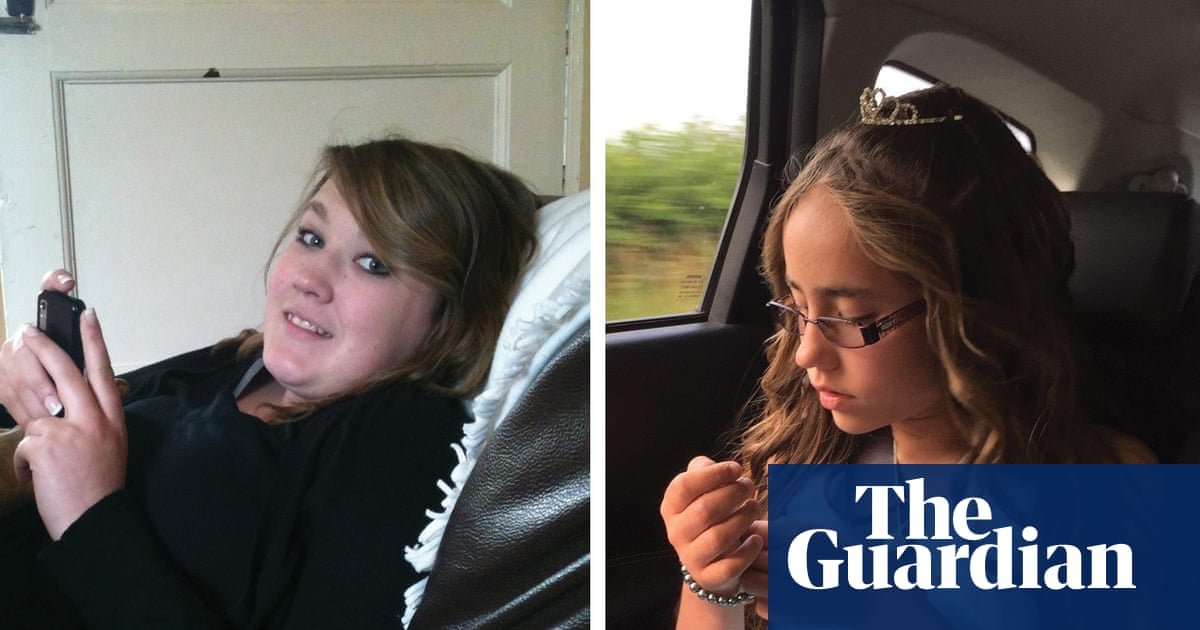
Peter Mant KC, representing more than 70 bereaved families, including the family of Elise Sebastian, 16, who killed herself in 2021 when staff had muted Oxevision’s alarm system, said: “Use of this technology has contributed in material ways to harms, and in some cases deaths of patients, due to the misapplication of the system.”
Addressing Kate Lampard, the chair of the inquiry, Brenda Campbell KC said: “We urge you to recommend that the use of Oxevision on mental health inpatient wards is stopped nationally.”
Campbell, who is representing other bereaved families, including that of Sophie Alderman who the inquiry heard mistakenly believed in 2022 that Oxevision would bring staff to save her, added: “Its harms have fallen hardest on detained, traumatised and neurodivergent patients, and no regulator took responsibility for it.”
Lady Lampard is considering issuing interim regulations, including over the use of Oxevision, if she considers action necessary to prevent more deaths.
Her inquiry, which began in 2024 into more than 2,000 mental health deaths in Essex over a 23-year period, has heard harrowing evidence of avoidable self-harm and suicides at the Essex trust and predecessor NHS organisations.
On behalf of her clients, Campbell urged Lampard to halt the use of Oxevision in the NHS. Mant agreed and said there was confusion among nursing staff, patients and hospital managers about how Oxevision should be used. He said the remote system had frequently prevented vital in-person care.
Mant told the inquiry: “It has far too often been used as a substitute for in-person observations.” Citing evidence from expert witnesses to the inquiry, he said this had led to “missed opportunities for therapeutic engagement between staff and their patients … in circumstances where therapeutic engagement is something that your experts agree is absolutely critical to treatment and recovery.”
Mant said claims made for the effectiveness of Oxevision by Lio, its Oxford-based manufacturer, were based on “nothing more than unverified anecdote”. The inquiry’s own statisticians found no evidence to support its effectiveness, he added.
He urged Lampard to issue interim recommendations for mandatory life-saving training for all mental health staff and the suspension of Oxevision. “My clients ask you to make those recommendations now to reduce the risk that other patients will suffer harm and that other families will lose loved ones to avoidable deaths.”
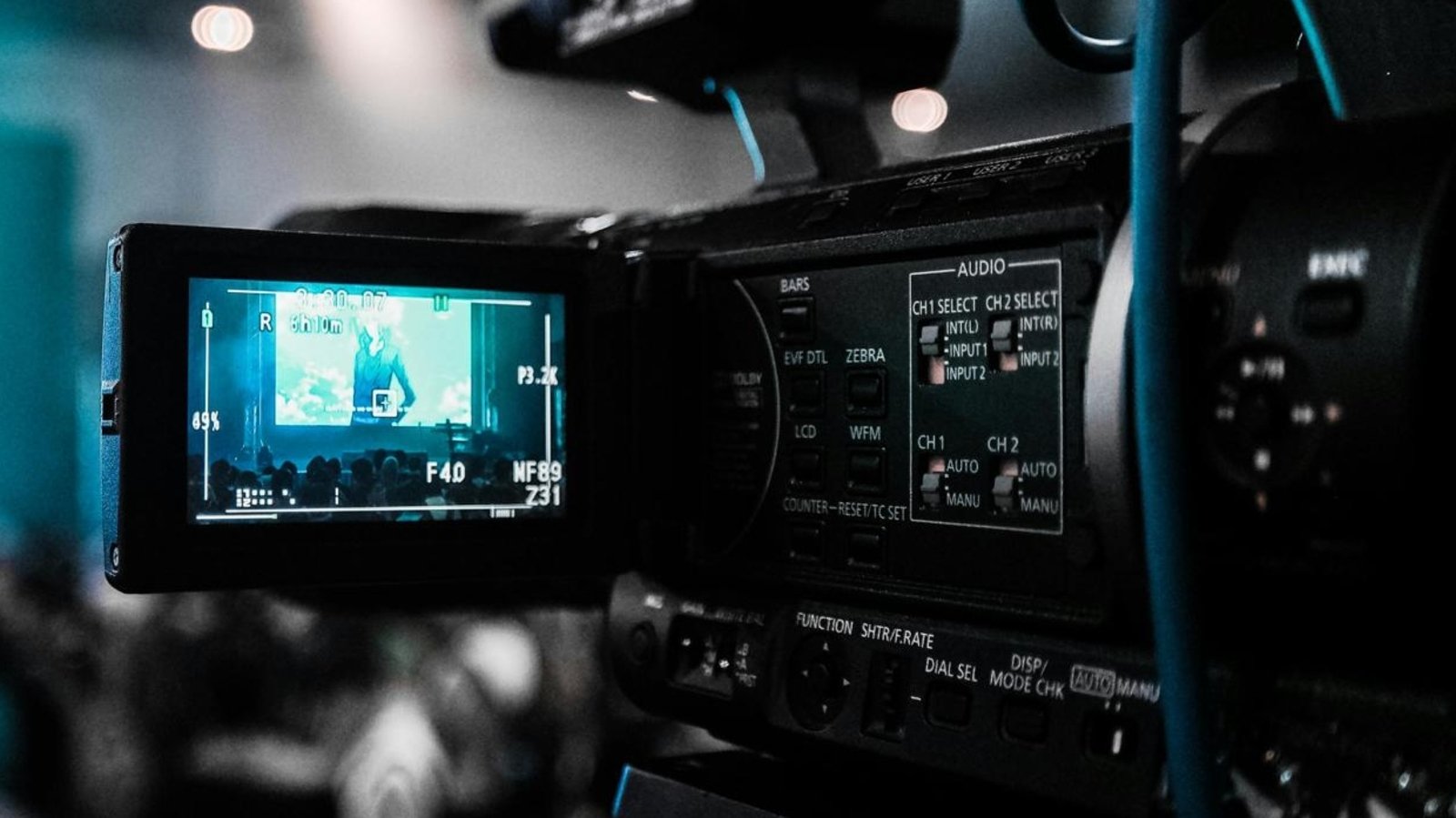
Campbell said the “intrusive” nature of the camera technology created a “coercive power imbalance on psychiatric wards” between patients and staff. She added: “A camera in a bedroom is a very significant invasion of privacy, affording patients no sanctuary and no means of knowing when they are being watched.”
Citing evidence to the inquiry from Jill Archibald, an expert on mental nursing, Campbell said Oxevision’s cameras can “increase paranoia” and prompted some patients to “scream at the device”.
She reminded the inquiry that Tammy Smith, the mother of Sophie Alderman, said her daughter feared being “trapped or spied upon”. She added: “Yet this intrusive technology spread to up to 50% of NHS trusts.”
Campbell added: “Victoria Sebastian [Elise’s mother], having learned that relevant systems or alarms were not working or not responded to properly when her daughter died, told you that the system is not fit for purpose on a mental health unit.”
Addressing Lampard, Campbell said: “You can now safely conclude that the residual claims of limited clinical benefit [for Oxevision] do not outweigh the significant harm to patient safety, autonomy and privacy.”
Earlier this year, the information commissioner launched a separate inquiry into Oxevision over data protection concerns.
Last week, Laura Cozens, the head of patient safety at Lio, told the inquiry: “It is important to consider the benefits this technology can offer to mental health patients. The evidence that we have heard shouldn’t be interpreted as the Oxevision system being ineffective, or unsafe or of no benefit … The technology has assisted staff in intervening in critical safety incidents.”