Warning from union comes as corporation cuts local specialist correspondent roles as part of plan to save £500m
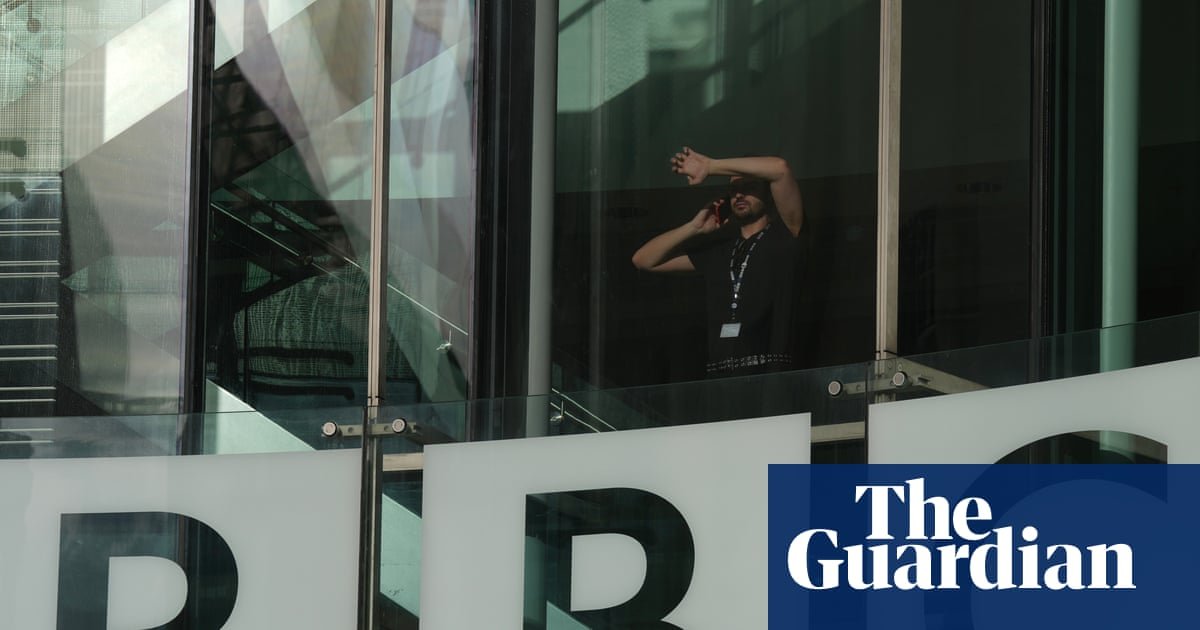
The BBC has been warned it risks entering a “doom spiral” of endless cuts and weaker public support for its services, as insiders anticipate the imminent closure of some TV and radio services.
Morale at the corporation is said to be extremely low as a series of cuts are slowly revealed to staff. In the latest announcement, the BBC said it would be reducing the number of local specialist correspondent roles.
It immediately triggered concerns about the loss of expert, local knowledge. The cuts are part of a plan to save £500m and shed up to 2,000 jobs.
Staff are now expecting announcements over the closure of programmes to follow next week. Matt Brittin, the BBC’s director general, has been open with staff for several months that popular shows would have to go, to ease the broadcaster’s mounting financial pressures.
There has been speculation that the BBC Three channel could be closed for the second time in its short history. BBC Three, which launched shows including Fleabag and This Country, was moved online in 2016 before the decision to take it off television was reversed in 2022.
BBC radio output is also likely to be affected. Between 350 and 400 hours of audio content will be cut by the end of the next financial year.
BBC Local staff have now been told the corporation would be reducing the number of specialist correspondent roles. Instead, there will be “two dedicated, multi-platform correspondents in every BBC region”.
Earlier this week, staff at BBC Sport were told that 36 more jobs were going, including some senior production journalists.
Staff morale had already been hit by a series of cuts announcements this year. In June, it said there would be 550 job cuts in news, nations and TV and radio content. It included the end of Radio 4’s The World Tonight after more than 50 years.
Brittin is making the cuts at the same time as battling staff over pay – and holding weekly meetings with the government over the BBC’s future funding model.
In a comprehensive statement on the cuts, the National Union of Journalists said they risked locking the BBC into producing worse content and lower public support for the licence fee that funds it.
“The BBC’s ongoing campaign of cuts is devastating and demoralising for our members and severely undermines the broadcaster’s ability to serve audiences across the UK,” said Laura Davison, general secretary of the National Union of Journalists. “The latest wave of cuts piles on the misery already being felt.
“The more cuts the BBC makes, the more its services suffer. This makes it more difficult for the broadcaster to justify public spending, which in turn leads to further cuts. The BBC is at risk of entering an inescapable doom spiral if it continues in this direction.
“This is where the UK government must step in. The BBC has been undermined by years of underinvestment and interference.”
At the TUC conferencelast week, delegates passed a motion instructing the body to press the government to intervene over cuts to public service broadcasters.
Senior management roles are also being reduced, with 10% of “senior leaders” going. About 700 roles are expected to go across the BBC’s corporate divisions.