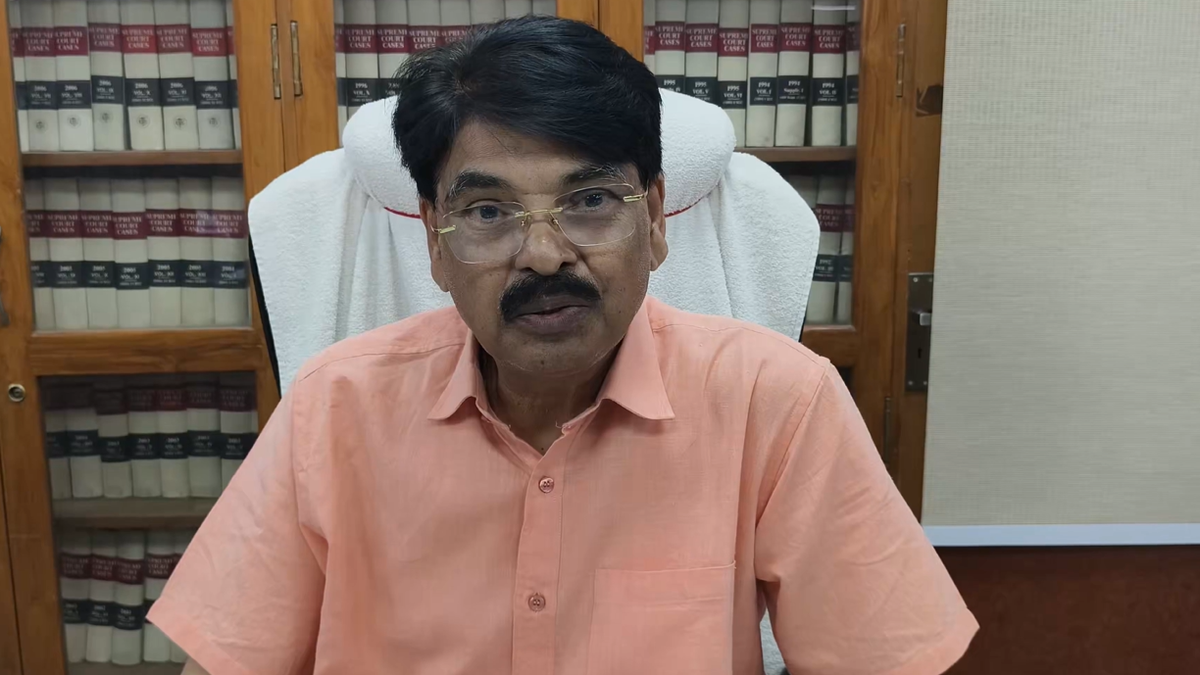
Pressure on incumbent Bar Council of India (BCI) chairman Manan Kumar Mishra mounted on Saturday (August 22, 2026), with a demand for his resignation being formally raised during a physical meeting of the BCI General Council at its office in New Delhi.
BCI member Manoj Kumar Narendran from Keralam called for Mr.
Mishra’s resignation during the meeting, placing the demand directly before the General Council.
His call was supported by another BCI member from Uttar Pradesh, advocate Srinath Tripathi.
Mr Narendran told The Hindu that Mr.
Mishra did not accept the demand and that the next course of action would be decided later.
Mr.
Narendran said the functioning of the BCI had, over the years, increasingly come to be identified with the authority and decisions of its chairman rather than the collective will of the Council.
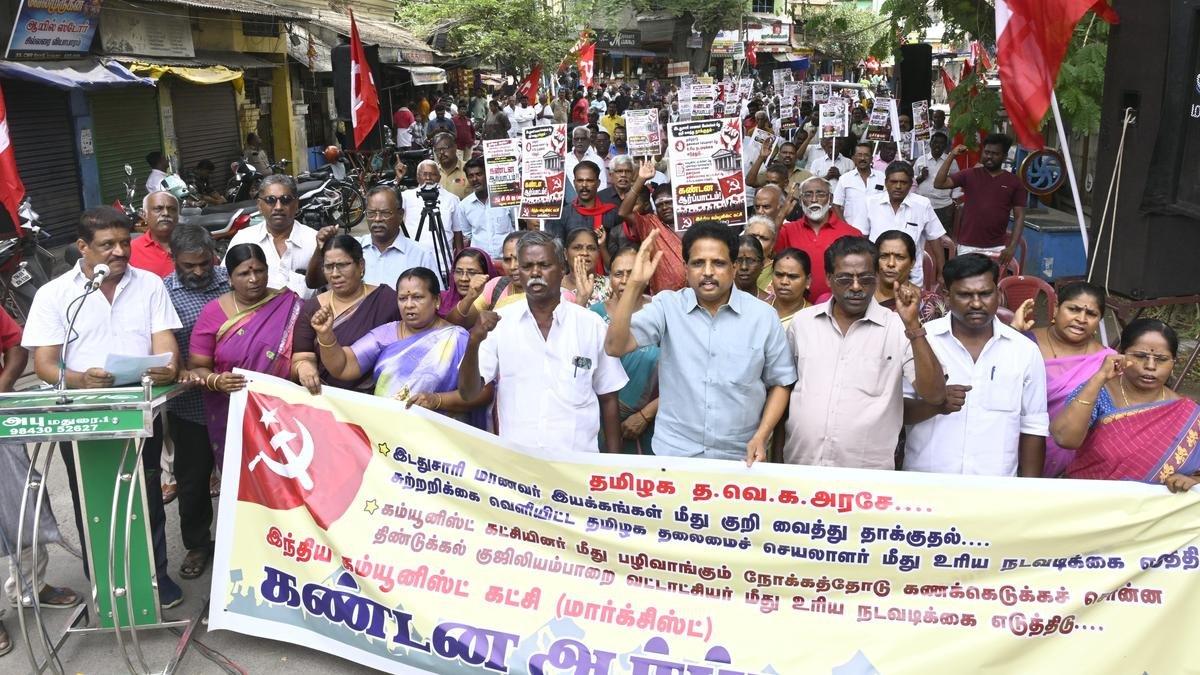
Lawyers stage protest outside BCI office, seek chairman’s resignation amid NALSAR row “Of particular concern is the amendment by which the tenure of the chairman was extended to five years.
Serious questions arise regarding the legality of such an amendment and the manner in which it was brought about, particularly when its effect was to directly benefit the incumbent chairman by enabling a substantially longer continuance in office,” Mr.
Narendran said.
The demand at the General Council meeting came on the heels of a letter by BCI co-chairman Y.R.
Sadasiva Reddy, who also called upon Mr.
Mishra to step down and sought an independent probe into a series of allegations concerning the functioning and financial administration of the statutory body.
Mishra, who has helmed the post of chairman for over a decade, is also facing a fresh petition filed before the Supreme Court questioning his prolonged tenure.
BCI chairman apologises to law students amid enrolment ban controversy The controversy surrounding the BCI chairman intensified after the council issued a circular on August 13 directing State Bar Councils not to enrol graduates of NALSAR’s 2026 batch, following objections by students to the participation of Chief Justice of India Surya Kant at their convocation.
The directive was withdrawn within hours after an outcry from the legal fraternity.
Mishra subsequently apologised to the students.
However, the apology did little to quell criticism.
The Bombay Bar Association on August 18 criticised the handling of the episode and described the apology as “belated”, while saying that Mr.
Mishra ought to have already resigned.
Earlier on Thursday, more than 200 lawyers gathered outside the BCI office under the banner of the All India Young Advocates Association, raising demands including reforms in the BCI’s election mechanism and greater accountability in its functioning.
The NALSAR standoff and the BCI’s crisis of authority On Friday, a plea was filed in the Supreme Court challenging the legality of Mr.
Mishra’s prolonged tenure as BCI chairperson.
The plea has not been listed for hearing yet.
In his letter on Saturday, Mr.
Reddy called upon Mr.
Mishra to resign and sought an independent examination of a range of issues relating to the functioning and financial administration of the council.
The letter raised questions over appointments within the BCI establishment, with Mr.
Reddy alleging that a “striking proportion of the staff are persons connected to you (Mr.
Mishra) personally, several of them being members of, or related to, your own family”.
Reddy also alleged that the Bar Council of India Trust had been rendered defunct and that the council’s funds were being diverted to a newly created BCI Trust PEARL-FIRST.
Reddy further alleged that contributions were being demanded from law colleges seeking approval or renewal of approval.
NALSAR row: Can BCI freeze enrolment of an entire graduating batch?
He said, “Persistent and credible complaints have reached me, from more than one State, that managements of new law colleges approaching the Bar Council of India for approval, and managements of existing colleges approaching it for renewal, are being required to make “contributions” to the said trust, in amounts ranging from ₹25 lakhs to ₹50 lakhs to ₹1 crore.” Mr.
Reddy also questioned Mr.
Mishra’s prolonged occupancy of the chairmanship and argued for greater rotation and representation in the leadership of the apex regulatory body for the legal profession.
“You (Mr.
Mishra) have held that office continuously since 2012, and were returned a further consecutive term in 2025.
This is without precedent.
When elections to the office fall due, the arrangements are so managed that the outcome is a foregone conclusion.
An elected office that has one occupant for fourteen years has ceased, in any real sense, to be an elected office.”