British house prices expected to fall this year, despite ‘Burnham bounce’, Rightmove reports
Asking prices for newly listed homes in UK’s richest borough fall by £100k in one month
5m agoFT: Jamie Dimon warns UK chancellor against higher bank taxes
14m ago"Mini Burnham bounce" in demand
16m agoIntroduction: Biggest August fall in British house prices since 2018
Good morning and welcome to our rolling coverage of business, the financial markets and the world economy.
Britain’s housing market is locked in its weakest August since 2018, as sellers slash their prices in search of a buyer.
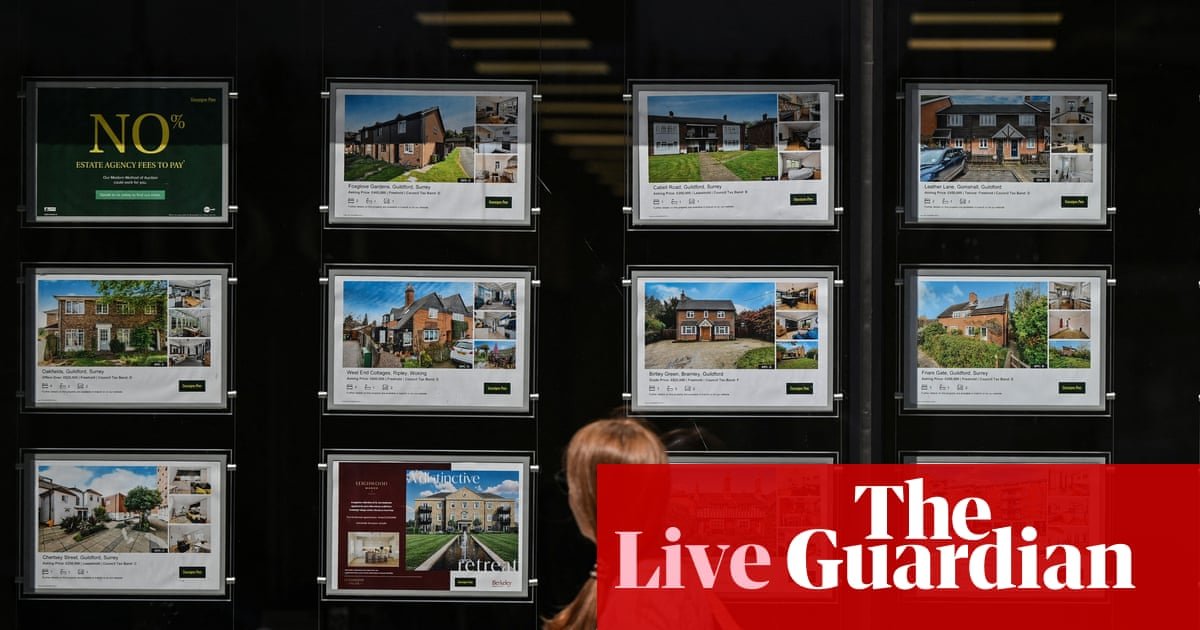
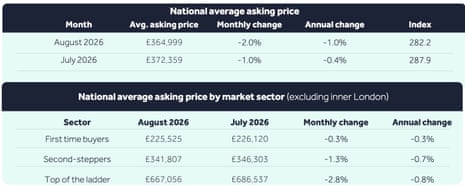
New data from Rightmove this morning shows that the average price of a newly-listed home in Britain fell by 2% this month, to £364,999. That’s a drop of £7,360, much larger than in a typical August.
The decline means average asking prices are now 1.0% lower than a year ago, as mortgage rate rises in recent months have cooled the market.
In a further blow to sellers - but a boost to potential buyers! - Rightmove has cut its forecast for house price growth this year to between 0% and -2%, down from a previous forecast of 2% growth.
“The uncertain geopolitical picture, changing mortgage rate landscape, and new Chancellor’s first Budget in October making it difficult to predict the rest of the year,” it warns.
Today’s data also shows a widening North-South divide in the housing market over the last 12 months. Prices in the north of England are up by 1.5% compared with a year ago, while prices in the south of England are down by 1.8%.
Colleen Babcock, property expert at Rightmove, says:
“This month’s larger-than-usual August price drop is a sign that many sellers are recognising the reality of the market and pricing much more competitively from day one. Buyers have the widest choice of homes for sale at this time of year in more than a decade, so standing out on price for the right reasons is hugely important. While no seller likes to come to market lower than they might have hoped, Rightmove analysis shows that those who price realistically are statistically proven to be giving themselves the strongest chance of finding a buyer and successfully completing a move. One tactic some sellers are using when considering lower offers on their home, is to also make a lower offer themselves on their onwards purchase, to see if they can make up the difference.”
“This month’s larger-than-usual August price drop is a sign that many sellers are recognising the reality of the market and pricing much more competitively from day one.
Buyers have the widest choice of homes for sale at this time of year in more than a decade, so standing out on price for the right reasons is hugely important. While no seller likes to come to market lower than they might have hoped, Rightmove analysis shows that those who price realistically are statistically proven to be giving themselves the strongest chance of finding a buyer and successfully completing a move. One tactic some sellers are using when considering lower offers on their home, is to also make a lower offer themselves on their onwards purchase, to see if they can make up the difference.”
The largest house price drop is in London, with prices down by 3.1% annually.
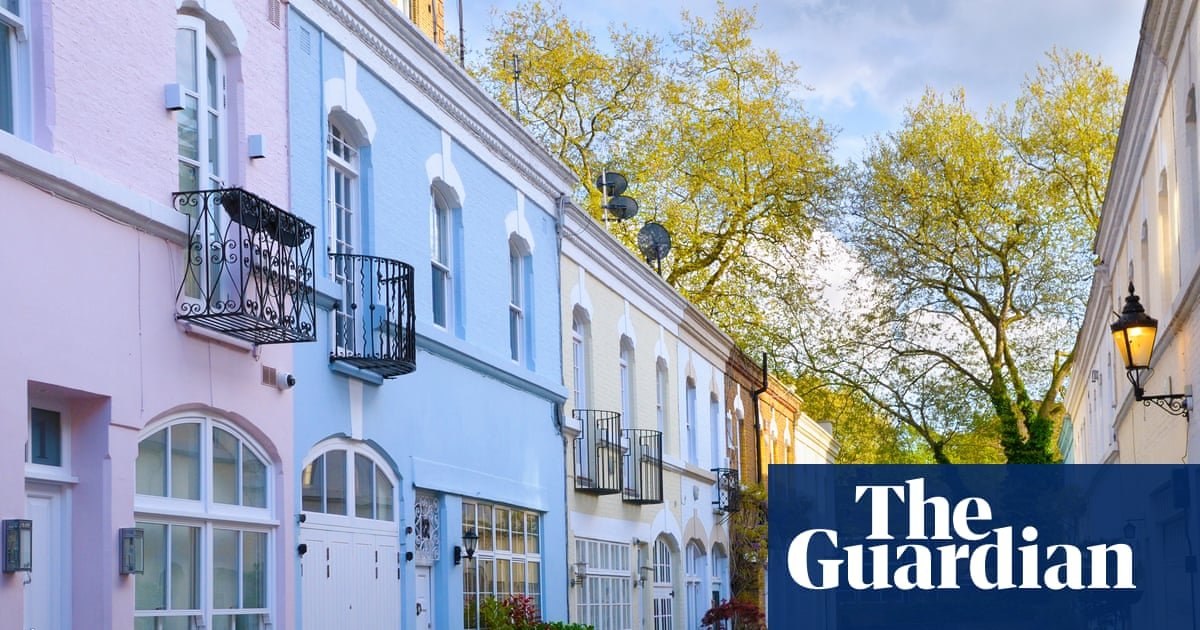
Wealthy areas have seen the biggest drop - the new asking price of a home in the Royal Borough of Kensington and Chelsea has dropped to £1,552,970. A month ago, the figure was £1,648,148, a difference of just over £95,000.
The agenda
8am BST: China investment, retail sale, house price and unemployment data
1.30pm BST: NY Empire State Manufacturing Index
3pm BST: NAHB index of US housing market
Elsewhere this morning, the boss of JP Morgan has renewed his pressure on the UK government not to raise taxes on banks.
Jamie Dimon told chancellor John Healey that creating a more hostile tax environment for banks could cost jobs, the Financial Times reports.
The Wall Street executive told Healey in a call on Thursday that higher taxes often drive jobs elsewhere, citing a material decline in finance roles in New York that he attributed in part to the city’s tax burden, according to people briefed on the conversation.
This is the latest in a series of interventions from Dimon.
In May, Dimon threatened to scrap plans to build a new £3bn UK headquarters in London if Keir Starmer were replaced by a new Labour prime minister who is hostile to banks.
No sooner had Andy Burnham been appointed than Dimon was at it again – warning that bank taxes have “adverse consequences.”
However, pressure for higher taxes on UK banks have risen after they raked in bumper profits this year – HSBC, NatWest, Barclays and Lloyds reported earnings of £29.2bn over the first six months of the year.
Rightmove has also spotted a pick-up in the housing market since the change of prime minister.
Buyer demand is up 5% since Andy Burnham came to power on the 20th July, they report, explaining:
“The new Prime Minster has brought a general boost to optimism and has ruled out property tax changes in October’s Budget, meaning buyers have fewer reasons to wait around and see what happens.”
That could give the market a little more momentum going into autumn....