The US-Israeli war on Iran has boosted profits for oil majors such as BP.
46bn, angering climate campaigners BP’s profits have hit their highest level in almost two decades, as the war in the Middle East drove up oil and gas prices and led to “significantly higher” trading.
The energy company hailed a “banner quarter” on Friday, with its underlying replacement cost profit – a key measure of its income – almost quadrupling to $8.46bn (£6.3bn), up from $2.2bn a year ago.
The jump in profits – which immediately angered climate campaigners – was well above the $7.3bn analysts had expected.
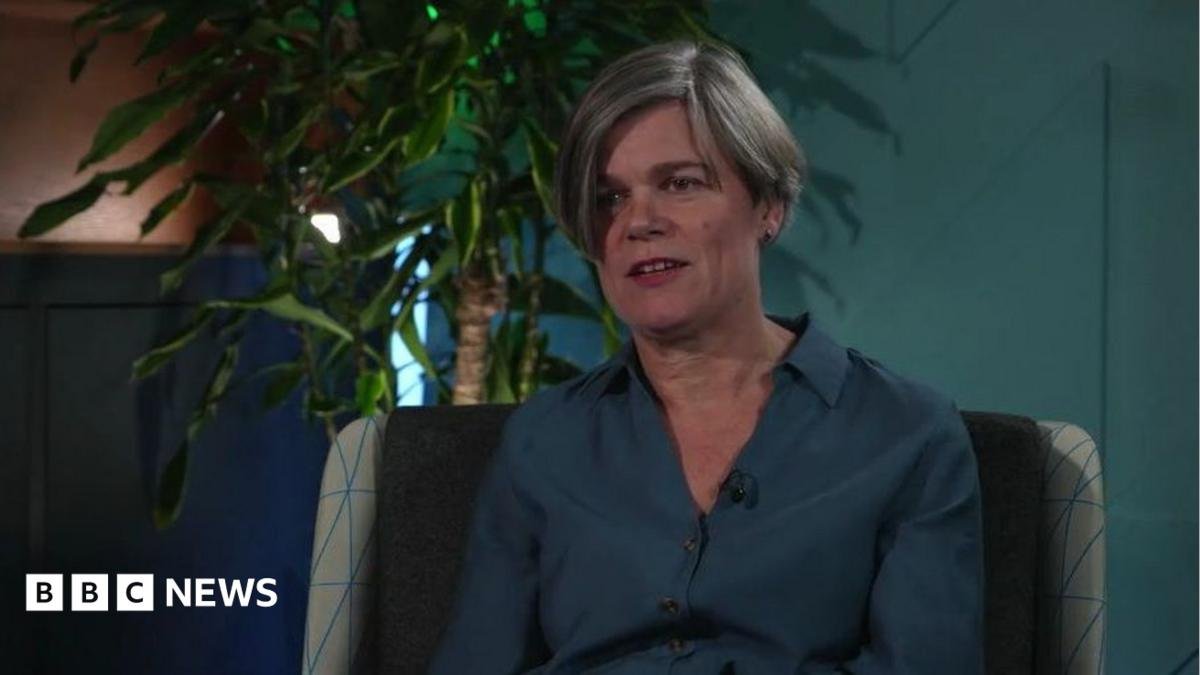
BP’s chief executive, Meg O’Neill, told Bloomberg TV: “It really was a banner quarter for the refining business.
“We had very strong margins from the BP-operated refineries, we also had very strong underlying performance.
We were able to capture the opportunity provided by the market.” BP’s quarterly earnings were bolstered by higher profits from the oil refining business as the difference between the cost of crude oil and the price of refined fuels such as diesel and gasoline soared, earning almost $47 for each barrel of fuel produced.
Although global oil prices have remained below the peaks recorded during the 2022 energy crisis, the pump prices for fuels including diesel have soared to all-time highs across the UK, Europe and the US in recent months because of severe disruptions to refineries in the Gulf region and across Russia.
O’Neill added that the oil and gas industry had shown “remarkable adaptability”.
She said: “Refineries have been running close to capacity to make up for shortfalls, shipping has been taking different and longer routes, and releases from strategic and commercial reserves are helping to bridge supply gaps.” The jump meant BP’s quarterly profits hit their highest level since the $8.9bn recorded in 2008.
Jonathan Noronha-Gant of the campaign group Global Witness said it was “obscene that polluters are continuing to cash in on the fallout of the war in Iran, making more bumper profits from spiralling oil prices while innocent civilians suffer.
“These massive profits come as ordinary people across Europe are struggling with the rising cost of living, with many struggling to afford to heat their homes as winter arrives,” he said.
Danny Gross of Friends of the Earth said: “As millions of households brace themselves for a cold winter huddling under blankets and clutching hot-water bottles as they struggle to pay their bills, BP is raking in huge profits while doubling down on gas and oil production and slashing investment in renewables.” BP laid bare its earnings windfall after Shell and the French oil rival TotalEnergies reported their strongest profits since 2022, also in large part thanks to the profits made from refining crude into fuel products such as diesel. skip past newsletter promotion after newsletter promotion The US-Israeli war on Iran has boosted profits for oil majors, leading to questions over how they will allocate the extra cash.
BP said on Friday it would use the excess cashflow generated by earnings to address remaining liabilities in full from the Deepwater Horizon oil spill in 2010.
Last week, BP announced a deal that provided the state of Louisiana with an accelerated, lump-sum $350m payment to resolve claims linked to the spill and that also settled long-running coastal damage litigation by local parishes.
BP is expected to set out its first major strategy update under O’Neill on 15 December, which market observers expect will outline the company’s plans to grow its oil and gas production and potentially restart share buybacks from next year.
Part of BP’s reorganisation has included plans to sell off its UK oil and gas assets in the North Sea in a deal that could be worth between £2bn and £2.5bn.
O’Neill said in August that there had already been strong interest in BP’s five major production hubs, including the Andrew and ETAP fields in the central North Sea, plus the Glen Lyon, Clair, and Clair Ridge fields located in the west of the Shetland area.
North Sea companies such as Neo Next+, Ithaca Energy and Adura – the joint venture behind the Jackdaw and Rosebank fossil fuel developments – have all been named as potential suitors in a deal.
Last month, BP appointed a new chair – Ian Tyler – after a months-long search triggered by the controversial ousting of Albert Manifold, seeking to draw a line under years of boardroom turmoil at the UK oil and gas company.
Explore more on these topicsBP Oil and gas companies Energy industry Oil Commodities Gas news Share Reuse this content