Burnham says relief for vape shops and other ‘non-positive’ businesses to be reviewed as part of £100m plan to fund cut
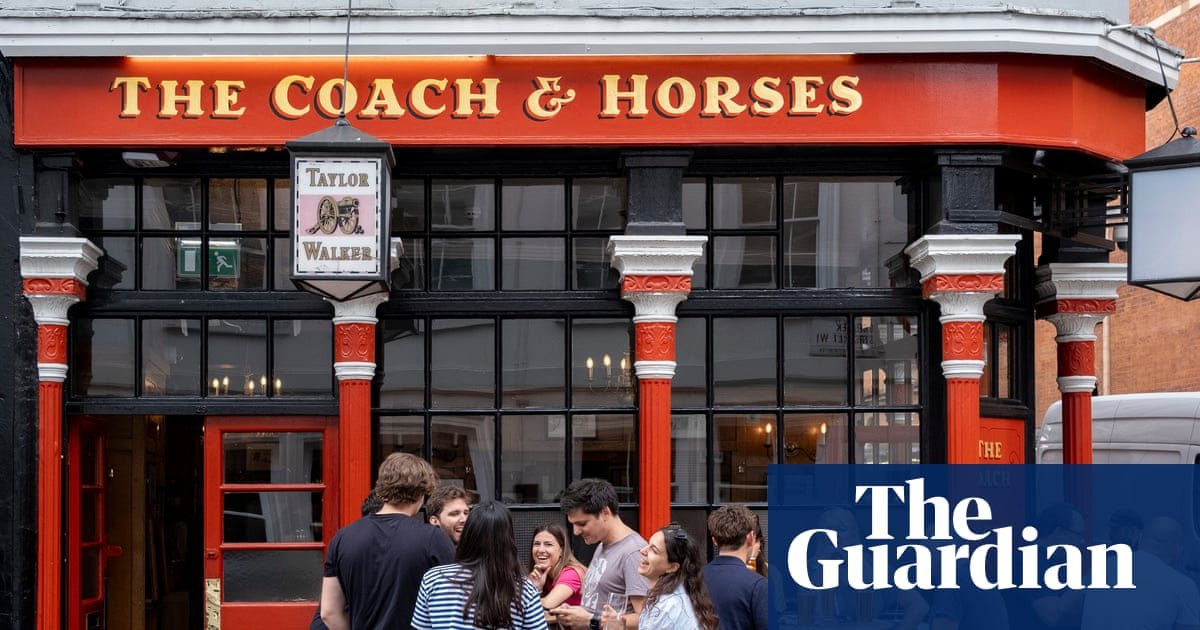
Pubs, clubs and live music venues in England will receive a 20% cut to their business rates bills from April under plans unveiled by Andy Burnham as part of a £10m package aimed at supporting high streets and easing cost of living pressures.
The prime minister said the package would be fully funded, including through a review of relief for businessesdeemed not to make a positive contribution to communities, such as vape shops.
Other cost of living measures announced this week – capping bus fares at £2 and cutting VAT on electricity bills – have prompted questions about how they will be funded, with the new administration under pressure to set out the detail of its plans.
Burnham, who took office on Monday, has promised to give people “more breathing space” on living costs through a series of policy interventions, as he attempts to demonstrate to an often sceptical public that government can deliver meaningful change.
The business rates cut will benefit almost 32,000 pubs, clubs and live music venues, according to the government, with the typical pub expected to save an estimated £1,100 in the next financial year. The support will be targeted so that the largest live music venues are excluded.
Hospitality groups are expected to welcome the announcement, which they have argued will create much-needed certainty for businesses looking to invest, grow and create jobs during a period of growing financial pressure.
The measure builds on the 15% business rates relief for pubs and live music venues announced by Rachel Reeves this year, as Covid-era relief ended and new revaluations took effect, with bills frozen in real terms for a further two years.
“For too long, governments have stood by while cherished venues have disappeared from our local high streets. So today I am changing that,” the prime minister said. “This government will back the businesses that people want to see in their communities. I said I would protect pubs and local high streets – the beating heart of our communities – and that’s what we will do.”
The new chancellor, John Healey, said the government remained committed to overhauling the wider business rates system, including relief for small businesses, at the budget.
Ministers also plan to crack down on businesses that sell through online marketplaces but do not comply with their tax obligations, putting them at an unfair advantage over those that do, and is consulting on measures to make those marketplaces more responsible for this.
Tina McKenzie, the policy chair of the Federation of Small Businesses, welcomed the proposal but said it must be a “downpayment” on further action to help small businesses more broadly at the next budget. “Failure is not an option,” she said.
“We are encouraged at the signal from the prime minister today, instructing his government to plan for a significant increase in small business rates relief at the heart of the next budget,” McKenzie added. “This would deliver on promises made campaigning for the role, and fix the damage caused by business rates decisions that sent bills up and are holding back SME growth and jobs in every postcode.”
Kate Nicholls, the chair of UKHospitality, gave the announcement a qualified welcome. “While support for pubs, bars and live music is welcome, restaurants, cafes and hotels are the heart of our communities and backbone of the high street,” she said.
“So if the PM truly wants to deliver a high street renaissance and growth in every postcode, then we need to look at a business rates cut for the whole of hospitality and tackle the broader cost of doing business.”
Iain Hoskins, the owner of Ma Pub Group in Liverpool, said an extra 20% relief on business rates would go some way to “chipping away” at the rising costs. However, he questioned how many venues would benefit from the change.
He told BBC Radio 4’s Today programme: “The worry has been, obviously, in recent years, I mean, when our venues from last year to this current year got revalued, we saw increases of between 100% and 150% on the rates that we pay.
“So that just goes to show how much they went up by. And while 20% – particularly if that 20% is on top of the 15% and other help that’s there – that can be very meaningful for businesses, independent businesses such as mine; I don’t want to sound ungrateful, but the increases were so huge last year that now we’re sort of chipping away at some of those increases.
“We’re not actually … getting better value than we had before. We’re still having to find extra money for these business rates. But you know, it is a relief that actually some of that is mitigated quickly. 20% isn’t an insignificant figure.”
On Tuesday, in his first policy intervention, Burnham said the government would cut VAT on electricity bills, reducing them by an average of £45 a year from October. This would be funded, officials said, by his decision to scrap the digital ID scheme.
However, less than an hour after the measure was announced, Darren Jones, who was sacked as chief secretary to the prime minister in Burham’s reshuffle, raised doubts over how it would be paid for, saying the digital ID project – which was expected to save £1.8bn over three years – was unfunded.
Then on Wednesday, the prime minister said he would reduce the bus fare cap next year from £3 a journey to £2, funded mainly by changing international climate donations into repayable loans.
The switch allows the government to borrow more against those loans without violating its borrowing rules. But some experts say it could leave people in the poorest parts of the world more vulnerable to the effects of the climate crisis.