Lung cancer remains the leading cause of cancer-related deaths worldwide, with around 2.5 million new cases and nearly 1.8 million deaths recorded each year. While smoking continues to be its biggest risk factor, doctors are increasingly diagnosing the disease in people who have never smoked, highlighting the importance of recognising warning signs early rather than relying on outdated assumptions.
As the world marks World Lung Cancer Day on August 1, HT Lifestyle reached out to Dr Ankur Nandan Varshney – Senior Consultant, Medical Oncologist at Medanta Hospital, Noida – who stresses that early diagnosis and timely treatment can actually save lives. He highlights, “One of the biggest misconceptions about lung cancer is that it only affects smokers. While tobacco remains the leading risk factor, we are increasingly treating patients who have never smoked. Early diagnosis can dramatically improve treatment outcomes, making awareness our strongest tool.”
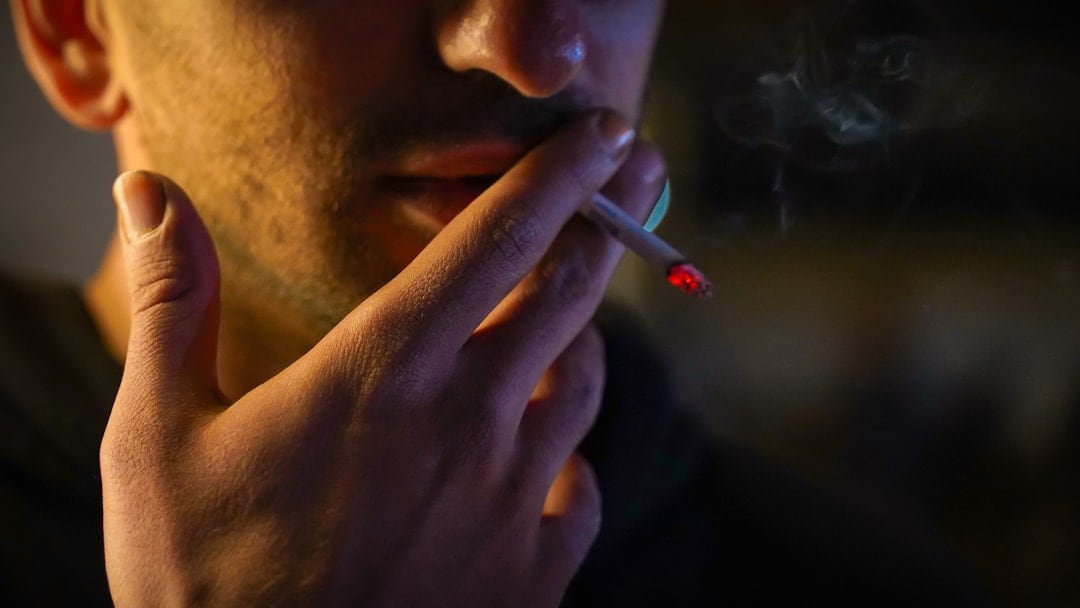
Non-smokers are not safe from lung cancer
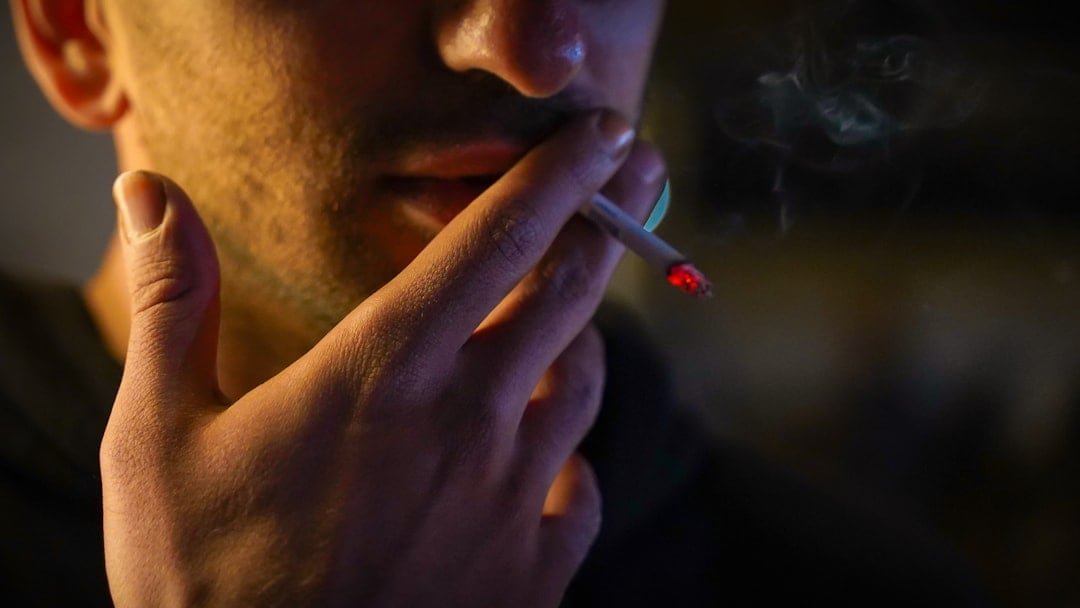
Dr Varshney points out that although cigarette smoking remains the single most significant contributor, it is no longer the only factor associated with lung cancer.
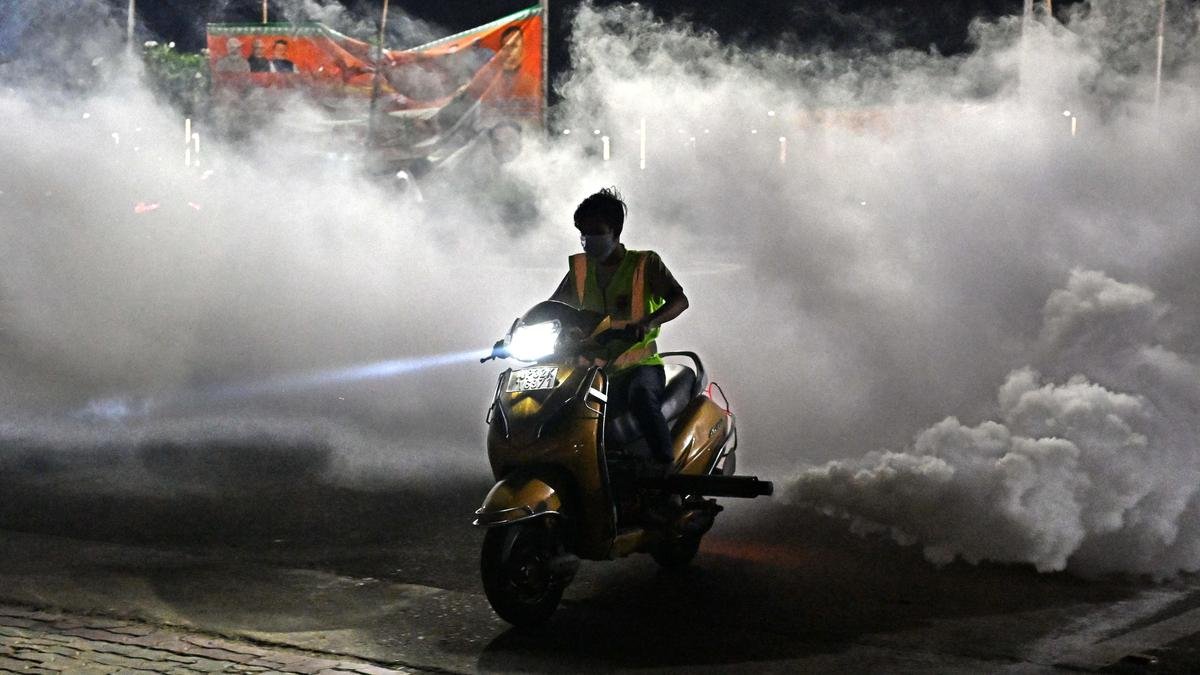
He explains, “Long-term exposure to polluted air, second-hand smoke, harmful workplace chemicals, radon gas, and even smoke generated in poorly ventilated kitchens can increase the risk. In addition, certain genetic changes may make some individuals more susceptible to developing the disease despite having no smoking history.”
This changing disease pattern is a reminder that anyone with persistent respiratory symptoms should take them seriously rather than assuming lung cancer is impossible simply because they have never smoked.
Stop ignoring these symptoms!
Lung cancer rarely announces itself dramatically in its early stages. Instead, as stated by Dr Varshney, it often begins with symptoms that resemble common respiratory illnesses, causing many people to delay medical evaluation.
He outlines the following warning signs that should not be ignored:
A cough that persists for several weeks
Chest discomfort that does not improve
Hoarseness or changes in voice
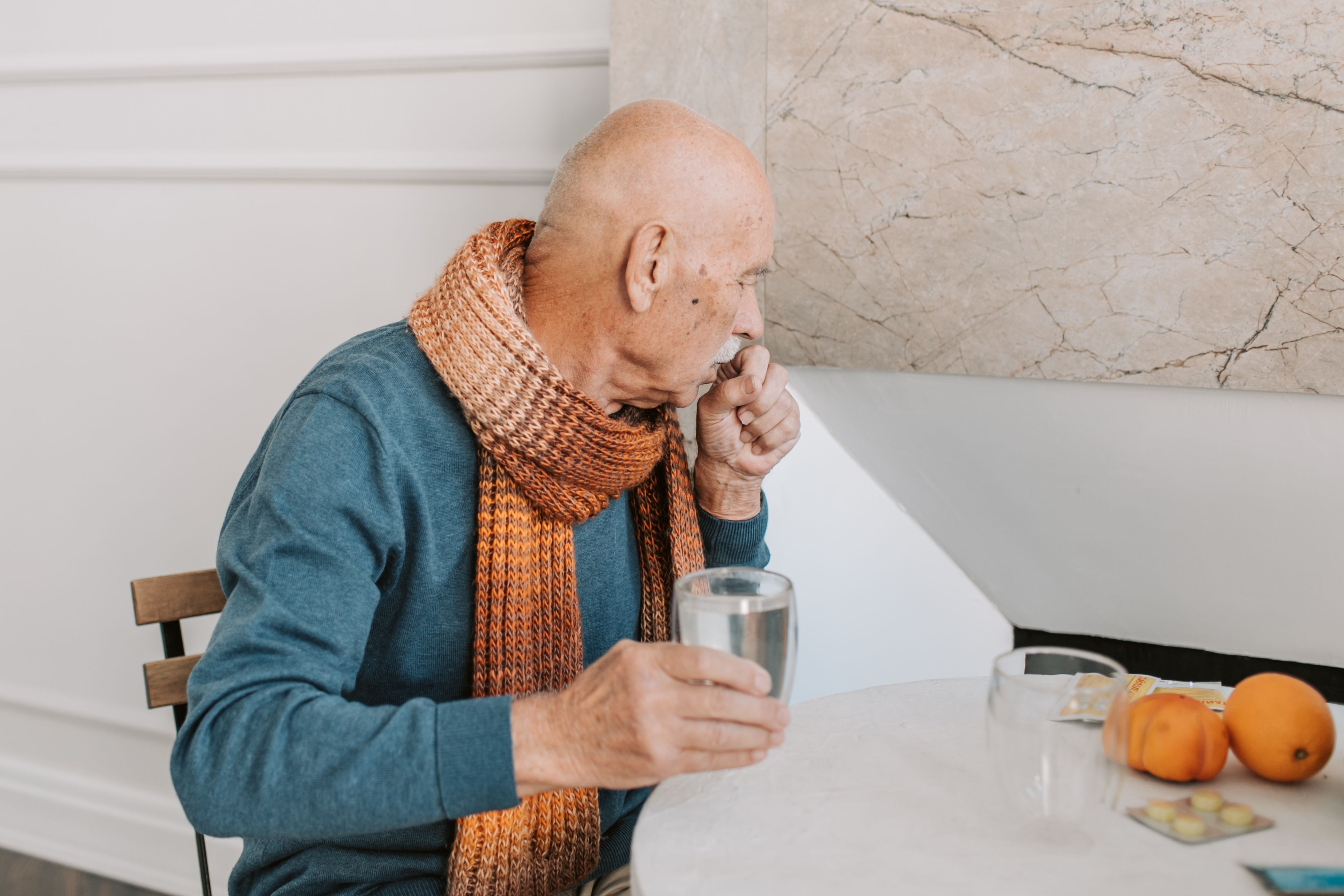
While these symptoms can occur due to many conditions, they deserve medical assessment if they continue or worsen, particularly in people with known risk factors. Dr Varshney advises, “Many patients spend months treating a lingering cough with over-the-counter medicines or repeated antibiotic courses. If symptoms continue despite treatment, it is important to investigate further rather than simply changing medications.”
The importance of early diagnosis
The good news is that lung cancer treatment has advanced significantly over the past decade. Detecting the disease at an early stage offers a much better chance of successful treatment and long-term survival. Personalised treatment approaches have improved outcomes for many patients while helping reduce unnecessary side effects.
The oncologist explains, “Low-dose CT scans have emerged as an important screening tool for individuals who fall into high-risk categories, especially long-term smokers. Along with imaging, modern molecular testing allows doctors to identify specific genetic mutations within the tumour. This helps determine whether a patient may benefit from targeted medicines or immunotherapy instead of relying solely on conventional chemotherapy.”
How to reduce your risk?
Although every case cannot be prevented, Dr Varshney says that adopting healthier habits can lower the chances of developing lung cancer.
Some practical preventive measures include:
Avoid smoking and seek help to quit if you currently use tobacco.
Stay away from second-hand smoke whenever possible.
Improve ventilation while cooking, particularly in enclosed kitchens.
Minimise prolonged exposure to polluted environments and occupational hazards.
Use protective equipment if your workplace involves dust or chemical exposure.
Do not ignore persistent respiratory symptoms, especially if you belong to a high-risk group.
Discuss lung cancer screening with your doctor if you have a significant smoking history or other major risk factors.
Dr Varshney concludes, “World Lung Cancer Day is an opportunity to replace fear with awareness. The sooner we identify the disease, the greater our ability to offer effective, personalised treatment. No persistent cough or unexplained breathing problem should be dismissed without proper evaluation.”
Dr Ankur Nandan Varshney is a consultant medical oncologist with over 10 years of clinical experience at Medanta Hospital. He completed his MBBS and MD at the Institute of Medical Sciences, Varanasi, followed by a DM in Medical Oncology from AIIMS, New Delhi. His expertise includes cancer immunotherapy, breast, lung and gastrointestinal cancers, haematological malignancies, stem cell transplantation, and palliative care.