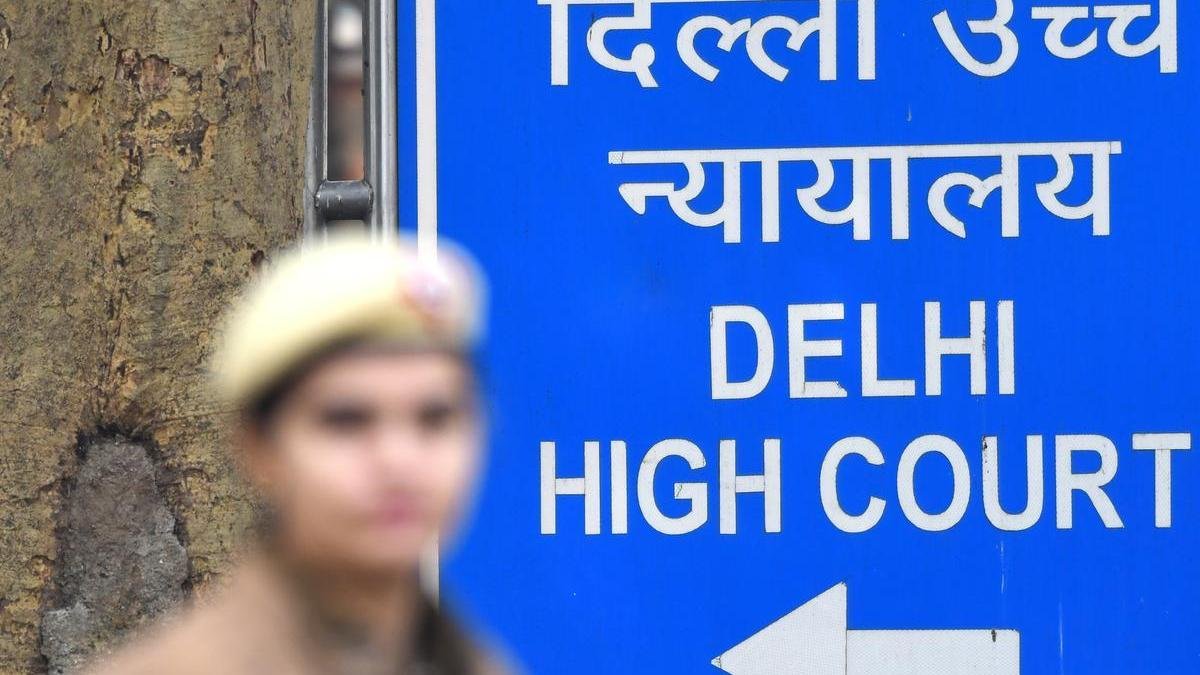
The Delhi High Court has permitted a 17-year-old boy to donate a part of his liver to save the life of his ailing father, undergoing treatment for chronic liver disease at a hospital in the national capital, holding that the case met the stringent legal requirements for organ donation by a minor.
Justice Mini Pushkarna, while passing the order on June 29, noted that the father, Uttam Kumar Shaw, is suffering from chronic liver disease with cirrhosis, portal hypertension, mild ascites, and hepatocellular carcinoma. A liver transplant was the only viable life-saving treatment, Justice Pushkarna noted.
Under the Transplantation of Human Organs and Tissues Rules (THO Rules), 2014, living organ donation by minors is generally prohibited except in exceptional medical circumstances with prior approval of the appropriate authority and the state government.
During the hearing, the court was informed by the Delhi government that the Lieutenant Governor (L-G) and the competent authority had granted approval for the proposed donation.
Justice Pushkarna observed that the boy, Pratik Shaw, born on September 13, 2008, was about 17 years and six months old and had voluntarily expressed his willingness to donate part of his liver to save his father’s life. Medical evaluation found him physically fit, and the Judge noted that he was acting out of his own free will, without any commercial or coercive element.
The court also noted that the the suitable living donors from among near relatives and family members of Mr. Uttam Kumar Shaw have been evaluated and his son, was found to be the only suitable donor available. No other medically suitable relative donor is available, it added.
“This Court notes that the petitioner falls within the definition of “near relative” under Section 2(i) of the THO Act, being the son of Mr. Uttam Kumar Shaw,” the court said.
“Court is of the view that the balance of convenience and equities, in the present case, overwhelmingly lie in favour of permitting the proposed liver donation and transplantation. In case, this Court denies such permission, it may lead to loss of life of the petitioner’s father,” the court said.