Minnesota’s first-in-the-nation ban on AI-generated fake nude images will remain in effect as a constitutional challenge by Elon Musk’s xAI proceeds, after a federal judge on Friday declined to block the law at an early stage of the case.
Musk’s xAI company argues the measure restricts free speech protected by the U.S.
Constitution, while Minnesota says the law is narrowly tailored to curb the spread of nonconsensual sexual imagery created with artificial intelligence.
Amid lawsuit over AI child abuse material, xAI sues one Grok user U.S.
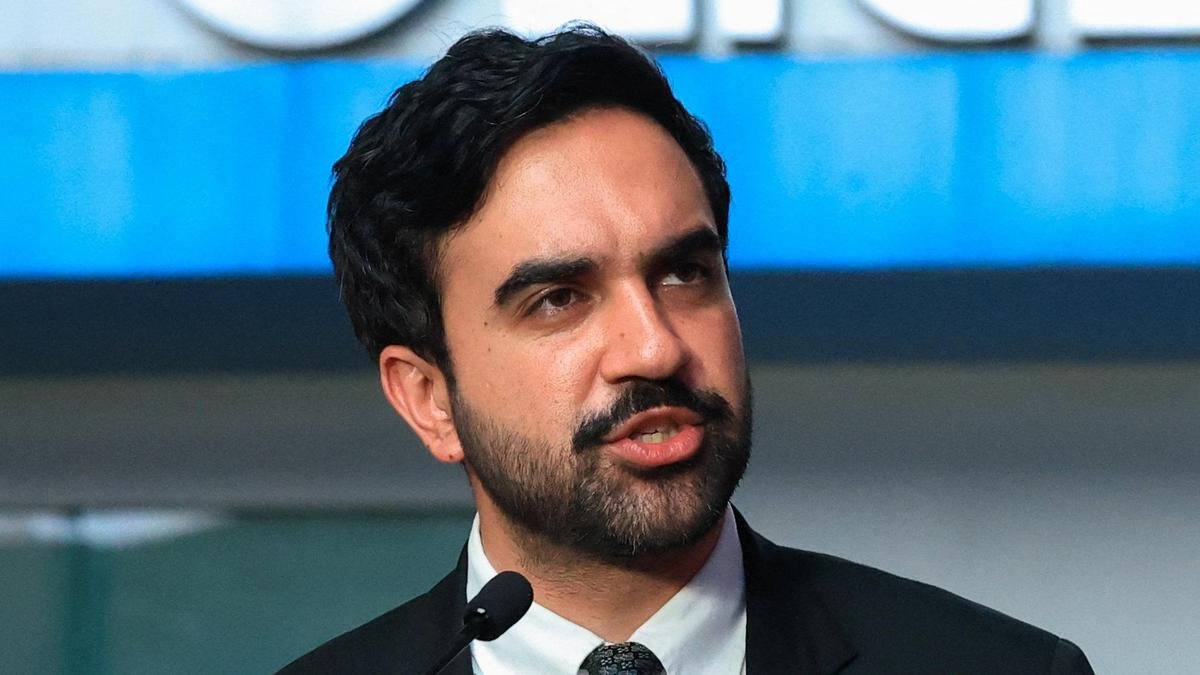
District Judge Donovan Frank rejected xAI’s request for a preliminary injunction against the law, which took effect on August 1 and prohibits website operators, software developers and others from allowing users to “nudify” images of identifiable people using AI technology.
Frank’s order said xAI failed to show it would suffer harm while it pursues a lawsuit alleging the new law violates the Constitution’s First Amendment by restricting protected expressive activity.
“The constitutional issues raised by the parties are complex, particularly when considered in the context of this new technology and the risks that it poses to the public,” Frank wrote.
“These issues deserve, and will receive, full consideration.” San Francisco wants Google and Apple to remove AI ‘Nudification’ apps from their app stores xAI and the Minnesota attorney general’s office did not immediately respond to requests for comment.
The judge earlier turned down Musk’s bid in July to stop the law from taking effect but agreed to fast-track his review of the measure.
.
Regulators have sought stronger safeguards and imposed bans to help curb the spread of artificially created illegal material. xAI has begun suing users it alleges are evading Grok’s technological blockers to create sexual images of people without their consent.