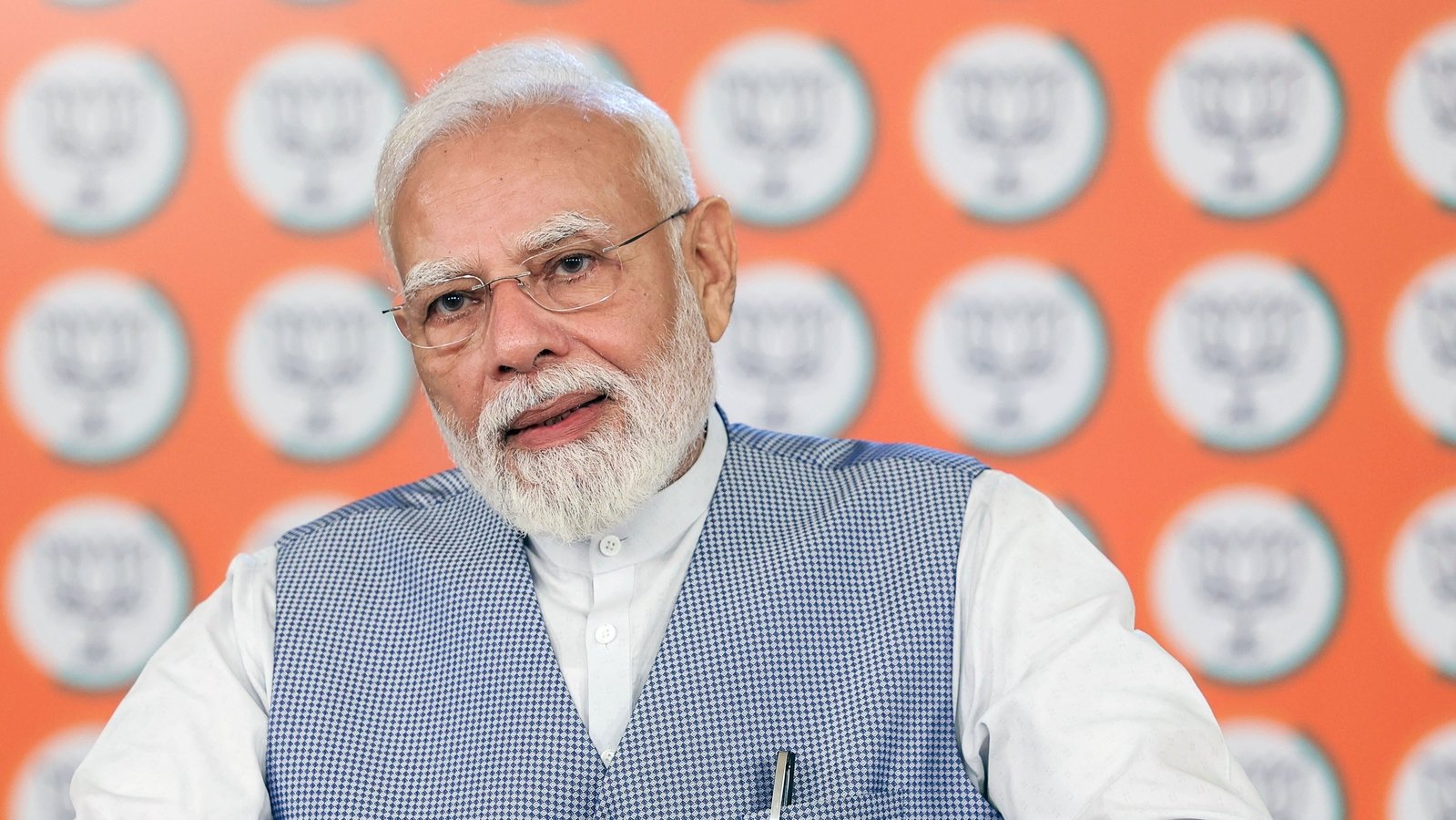
Updated on: Oct 28, 2026, 18:13:50 IST By HT News Desk Prefer HTon Google Share via Copy link Prime Minister Narendra Modi on Wednesday took a swipe at the Congress over its performance in the biennial Legislative Council (MLC) elections held across four states using ballot papers, a key demand of opposition parties campaigning against electronic voting machines (EVMs).
Narendra Modi The Congress drew a blank in Karnataka, while the BJP won five seats and the Samajwadi Party (SP) secured three in Uttar Pradesh.
Results for the elections to 28 seats across Uttar Pradesh, Maharashtra, Bihar and Karnataka were announced on Wednesday.
The Congress's renewed push for a return to ballot papers came after an Indian Express report examining the internal functioning of the Election Commission of India (ECI).
The report detailed how Election Commissioners Sukhbir Singh Sandhu and Vivek Joshi formally recorded their objections to decisions and orders concerning the Special Intensive Revision (SIR) process on 14 occasions over 10 months under Chief Election Commissioner Gyanesh Kumar.
PM Modi's dig at Congress PM Modi highlighted that the elections were conducted using ballot papers, taking aim at the Congress, which has alleged EVM tampering and called for a return to paper ballots.
"MLC elections in 28 seats across 4 big states - Uttar Pradesh, Maharashtra, Bihar and Karnataka.
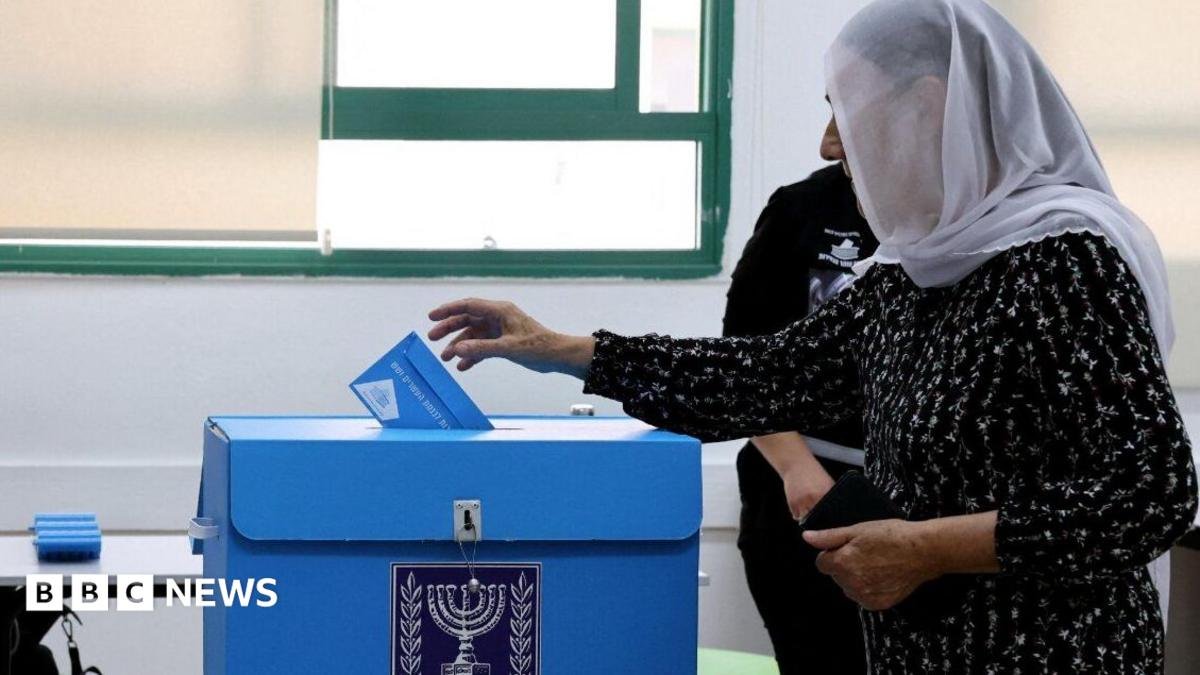
Elections held using ballot papers.
Guess how many seats Congress won?" Modi said in a post on X.
Follow here for live updates Opposition's ballot paper demand Opposition parties revived their demand to replace electronic voting machines (EVMs) with paper ballots and announced a six-point programme, including public rallies and a petition to the President, targeting Chief Election Commissioner Gyanesh Kumar and Prime Minister Narendra Modi.
Preparing for the next phase of their political battle over the Special Intensive Revision (SIR), the Indian National Developmental Inclusive Alliance (INDIA) accused the CEC and the government of manipulating voter rolls during the exercise to undermine electoral integrity.
The Opposition also alleged that Modi and Union home minister Amit Shah were treating the Election Commission as their puppets.
MLC election results across four states Counting began on Tuesday and was still underway in some constituencies.
Polling for the biennial elections was held on October 23 across 11 constituencies in Uttar Pradesh, eight in Bihar, four in Karnataka and five in Maharashtra.
These included six teachers' and five graduates' constituencies in Uttar Pradesh; four constituencies each in Bihar; two each in Karnataka; and three graduates' and two teachers' constituencies in Maharashtra.
In Maharashtra, the BJP-led ruling Mahayuti alliance was leading in three seats, while the opposition Nationalist Congress Party (Sharadchandra Pawar) was ahead in two.
In Bihar, the Jan Suraaj Party opened its account, while the BJP, Janata Dal (United), Rashtriya Janata Dal and an Independent candidate won one seat each.
The Congress suffered a setback in Karnataka, losing all four seats.
The opposition Janata Dal (Secular) wrested one constituency from the ruling party, while its ally, the BJP, retained three seats.
The Congress and several other opposition parties have been demanding that future elections be conducted using ballot papers instead of EVMs.
Operating round the clock, the desk brings together experienced editors, reporters and correspondents to deliver fast, accurate and contextual reporting across subjects that influence public policy, governance, business, society and international affairs.
The HT News Desk covers politics, elections, government policies, the economy, business and markets, science and technology, the environment, law and order, infrastructure, education, climate issues and geopolitics, while closely tracking developments across states, institutions and global capitals.
The team also leads coverage of major breaking news events, policy announcements, court proceedings, natural disasters, public emergencies and significant international developments.
Reports published by the newsdesk are based on information gathered from reporters on the ground, official statements, government agencies, court records, regulatory filings, recognised institutions and other authoritative sources.
Stories undergo editorial scrutiny and verification processes to ensure accuracy, fairness and relevance, and are updated as events evolve and additional information becomes available.