India’s roster of essential medicines has not been updated in nearly four years even as the World Health Organisation (WHO) has revised its own list twice in the same period, according to an appeal from the Working Group on Access to Medicines and Treatments, which has written to the government demanding an urgent revision of the National List of Essential Medicines (NLEM).
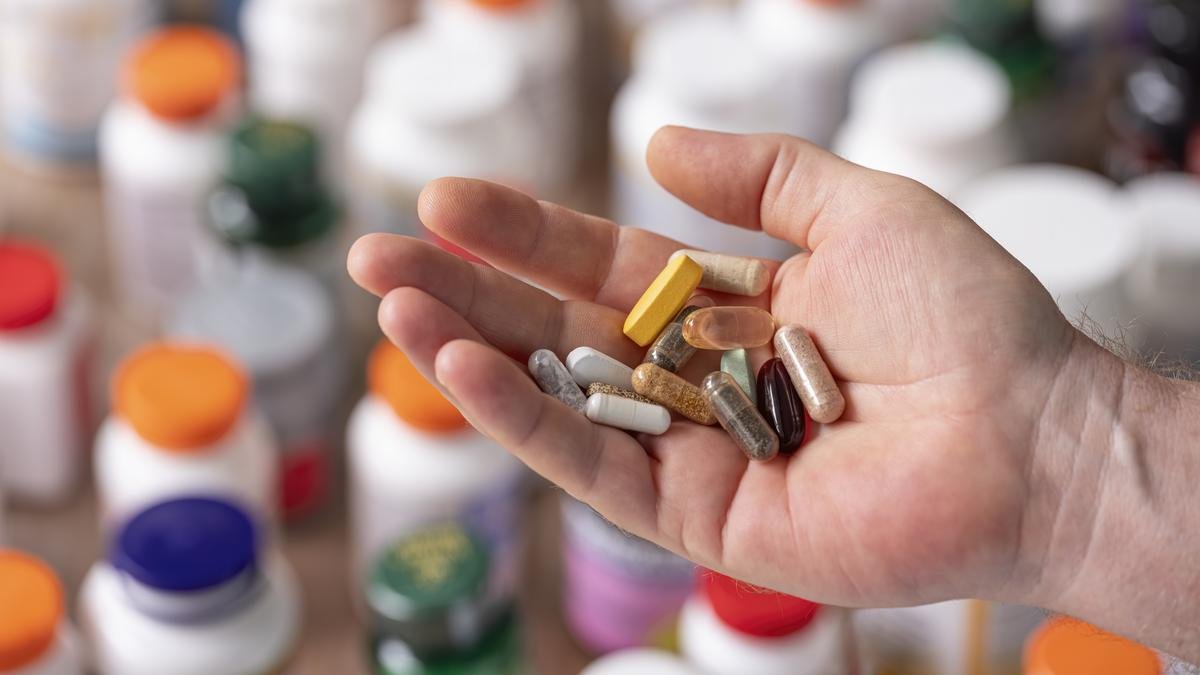
The National List of Essential Medicines (NLEM) is a curated list of medications compiled by the Ministry of Health and Family Welfare.
It prioritises drugs that satisfy the critical healthcare needs of India’s population based on safety, efficacy, and cost-effectiveness.
Medicines on this list are called “scheduled drugs”.
Health data must drive action, not just headlines The government uses the NLEM to instruct the National Pharmaceutical Pricing Authority (NPPA) to enforce a strict price ceiling on them, making healthcare affordable and reducing out-of-pocket spending for citizens.
The last additions and subtractions occurred during the major overhaul on September 13, 2022.
No comprehensive changes or deletions have been implemented since then.
Revision in list The Working Group, in its letter to the Centre dated July 3, noted that the NLEM was last notified in 2022 and contains 384 medicines.
The WHO Model List of Essential Medicines, meanwhile, has since been revised in 2023 and again in 2025, and by the Working Group’s count now runs to 523 medicines — leaving India’s list trailing well behind the global benchmark it was originally designed to mirror.
The consequences, the group argues, fall hardest on patients battling cancer and diabetes.
Its letter identifies 17 active cancer-treating agents and four supportive cancer-care medicines that feature on the WHO list but not the NLEM.
Also missing, it says, are nine monoclonal antibodies — a class of targeted biologic drugs increasingly central to modern cancer treatment — none of which currently appear on India’s list.
“We urge immediate initiation of a transparent, time-bound, and conflict of interest-free process to revise the NLEM, ensuring that it reflects the latest evidence, public health priorities, and the WHO Model List of Essential Medicines.
Timely action is essential to safeguard the constitutional guarantee of the Right to Life for it ensures equitable access to essential medicines for all citizens,’’ said K.M.
Gopakumar, co-convenor, Working Group on Access to Medicines and Treatment.
Enforcing price cap Inclusion in the NLEM is not a symbolic exercise.
Medicines on the list are automatically brought under the price-ceiling regime enforced by the National Pharmaceutical Pricing Authority, and they are meant to be stocked and dispensed free of cost in public hospitals and health centres.
A medicine’s absence from the list, therefore, has a direct bearing on both what patients pay in the private market and what they can access for free within the public system.
“The prolonged delay results in medicines being denied to millions of citizens — who could have had free access to newly recognised essential medicines within the public health system, while also restricting affordable access in the private sector,” the letter said adding that the delay not merely as a bureaucratic lag but as a matter with “profound constitutional and human rights implications”.
It added that the NLEM need not be a mirror image of the WHO list — India’s list is meant to reflect the country’s own public health priorities, disease burden, and cost considerations, and some deviation is expected and legitimate.
The Working Group said that its own analysis showed that India’s list also includes several dozen medicines that do not appear on the WHO’s list, reflecting locally relevant priorities such as tuberculosis treatment.
“However the omissions — particularly in oncology, diabetes and biologic therapies — are not matters of local discretion but critical gaps that leave patients with life-threatening, high-prevalence conditions without access to internationally recognised standard-of-care drugs,” it said.