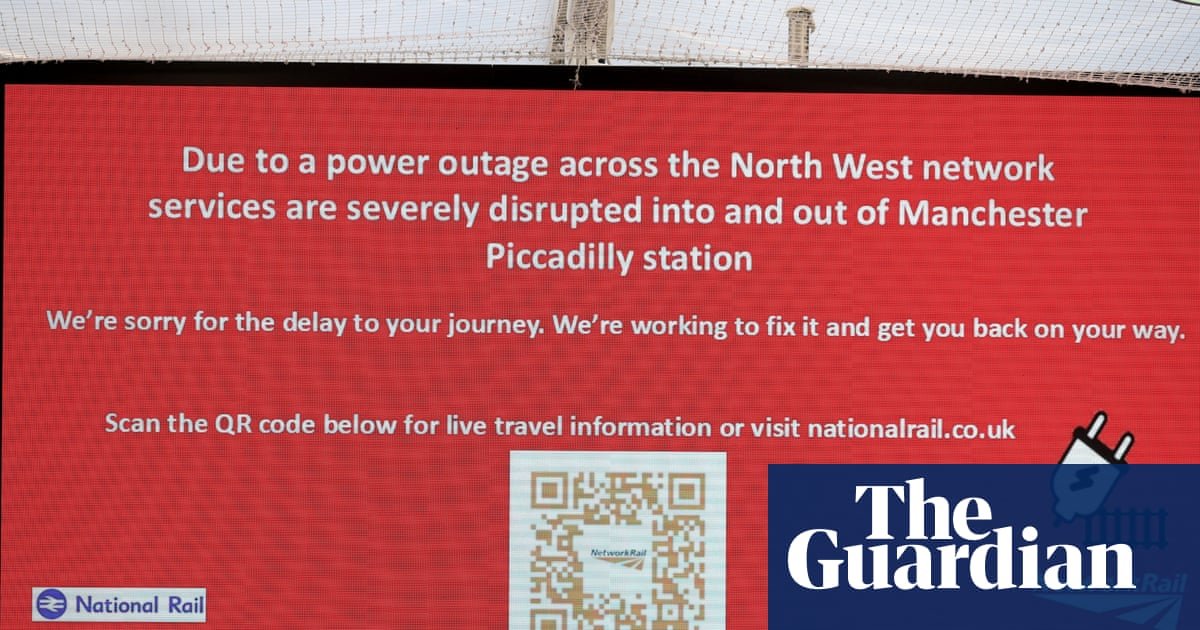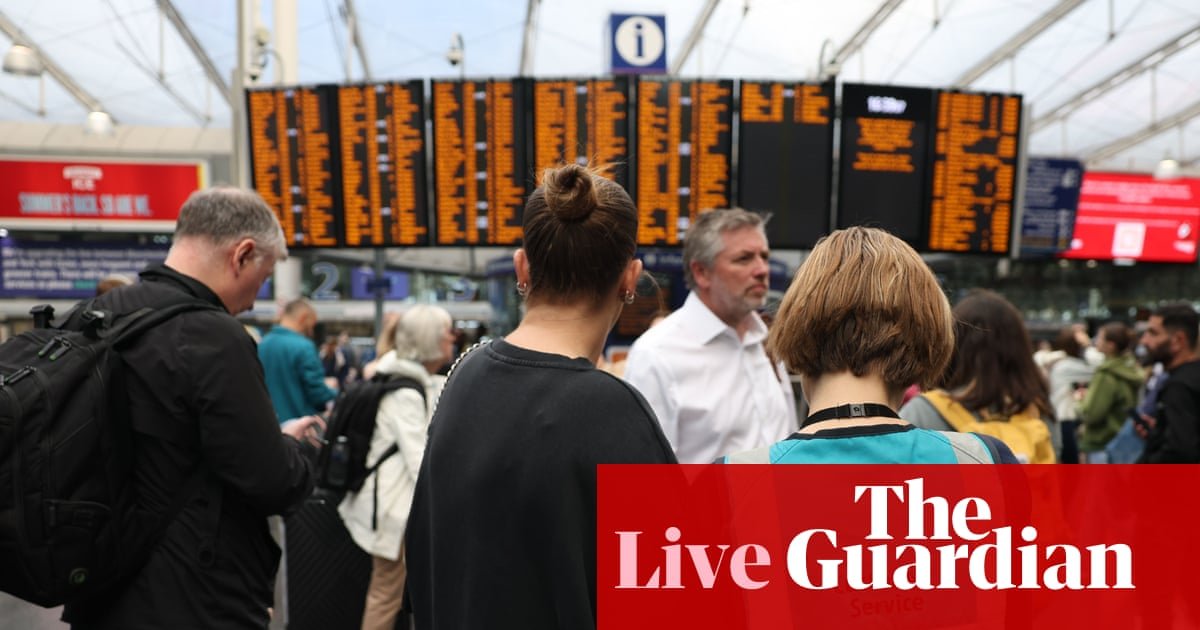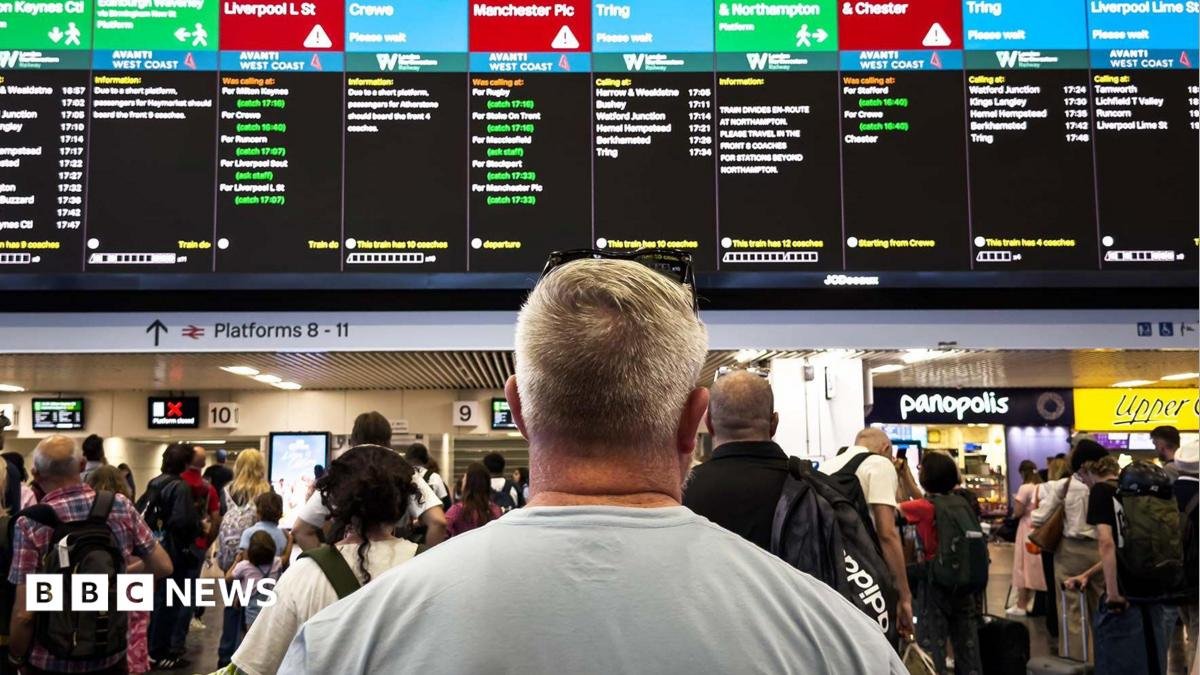
ByKaty Austin Transport correspondent Published 19 minutes ago The power failure which hit a Network Rail operations centre in Manchester was a rare incident.
But after commuters were left facing chaos, it has raised questions about how a short outage at one operating centre could have a widespread impact.
Network Rail will face scrutiny for how its systems coped and responded to the outage.
That's the publicly-owned body whose job it is to operate and maintain Britain's railway infrastructure.
That means the tracks, signals, embankments and major stations.
It was at Network Rail's operating centre in Manchester that the problem started.
Its operating centres are where crucial controls are housed that let trains run safely across the country, with Manchester's centre responsible for large parts of the North West.
It was hit by a power cut in the area, which was resolved within 90 seconds.
And despite having a backup supply, given the centre's importance, this failed to kick in as quickly as expected.
Because signalling was affected - think of that as the traffic lights of the railway - trains had to stop.
Systems had to be rebooted.
But there was some damage to the systems controlling signalling, and that took time to fix because of the need to replace certain parts.
Thinking about how busy parts of the rail network are, and how many trains and crews were left out of position across the North West of England and beyond, helps explain why the impact was so big.
Network Rail has apologised to customers and opened an investigation.
Bosses say engineers have been working hard to "build additional resilience into our signalling systems to ensure that this doesn't happen again".
Image source, SUPPLIED Network Rail has moved towards having 12 so-called Rail Operating Centres across Great Britain, replacing a previous structure of hundreds of older signal boxes.
They are meant to be high tech hubs which centralise control of the network.
Manchester's Rail Operating Centre was opened in 2014.
Experts have warned consolidating in this way means that if one centre is badly affected, the impact is much broader.
Rail writer Christian Wolmar said the problem they have created is that "if one thing goes wrong, it can wipe out, as we saw, quite a lot of the network".
"So really they've got to start thinking about both resilience, but also whether the centralisation of all the signalling and communications into a very small number of places is the right thing to do," he added.
There's nothing to specifically link this particular incident to other recent problems experienced by rail users; for example the impact of speed restrictions and infrastructure failures during the recent extreme heat.
But it is unlikely to inspire confidence among passengers who have in the past few years suffered from issues such as poor performance among operators, strikes and rising ticket prices.
Regulated fares have been frozen in England this year.
Rail engineer and writer Gareth Dennis also drew a link between the incident and the funding pressures and job cuts Network Rail has faced.
He said it raised questions including: "Are their staff suitably resourced?
Are there enough staff to be ensuring that things like those checks of that supply are happening?" Network Rail gets five-year funding settlements, signed off by the government.
The latest one started in 2024.
The government committed £44.1bn for the 2024-29 period of the strategic business plan, a £3bn increase from the previous five years.
Factors including rising costs due to inflation and a rise in extreme weather events have left its funding under severe pressure.
Introducing Network Rail's new business plan, former chief executive Andrew Haines said that, given the constrained budget, funding would "need to go further than ever before".
The government's current rail policy centres around nationalising the passenger rail operators who weren't already in public control (a number of operators had already been nationalised under past Conservative governments) - then bringing the running of train services and the infrastructure under a new organisation called Great British Railways.
Network Rail is expected to be abolished as a separate entity.
Ahead of that, some joint management teams have been formed, for example in the South West.
The question of how much taxpayer money to spend supporting both passenger rail services, and investing in infrastructure, is a significant one - and government budgets remain squeezed.