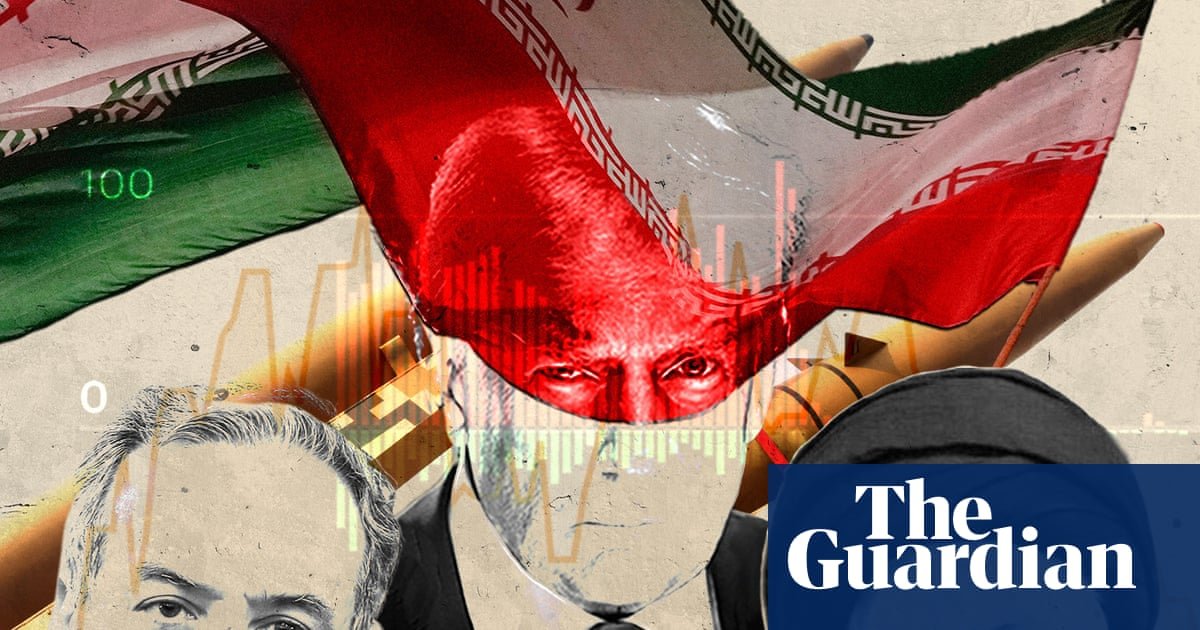
From the first US and Israeli strikes six months ago to the battle for Hormuz, this timeline plots how Trump’s war on Iran quickly became a regional conflict with global economic consequences
On 28 February 2026, the US and Israel began large-scale strikes on Iran. Tehran responded by attacking Israeli and US allies across the Gulf.
Iran’s supreme leader, Ali Khamenei, was killed on the first day of strikes, and the strait of Hormuz – a crucial waterway for transporting oil – was effectively closed soon after. The conflict quickly became a regional war with global economic consequences.
Since then, bursts of fighting have repeatedly given way to ceasefires and negotiations. Each diplomatic opening has been followed by fresh threats, disputed agreements and renewed attacks.
The strait of Hormuz remains at the centre of the conflict. In normal times, more than 100 vessels passed through the narrow waterway each day, carrying about a quarter of the world’s seaborne oil trade. Any closure or attack on shipping can disrupt global supplies and send prices higher.
This timeline traces six months of strikes, public threats and failed diplomacy - and shows how the war has disrupted shipping and driven swings in the oil price.
Methodology
The Guardian looked at about 4,000 Truth Social posts, 7,700 IRGC Telegram messages and a selection of X posts from 28 February 2026. Some social media posts have been edited for conciseness. All times included in the piece are GMT.
Oil price data is sourced from LSEG. Data on the amount of shipping traffic through the strait of Hormuz is sourced from Lloyd’s List Intelligence, and only includes traceable transits of cargo-carrying vessels over 10,000 deadweight tonnage. Dark transits included in figures after 28 Feb.
Airstrikes data is sourced from Acled, and includes data on explosions or remote violence events, including air/drone strikes and shelling, artillery and missile attacks, by the Iranian, US and Israel military forces. It excludes interceptions.
Donald Trump: EPA/Trump Vance transition team
US CENTCOM: AP
Mohammad Bagher Ghalibaf: Getty/NurPhoto