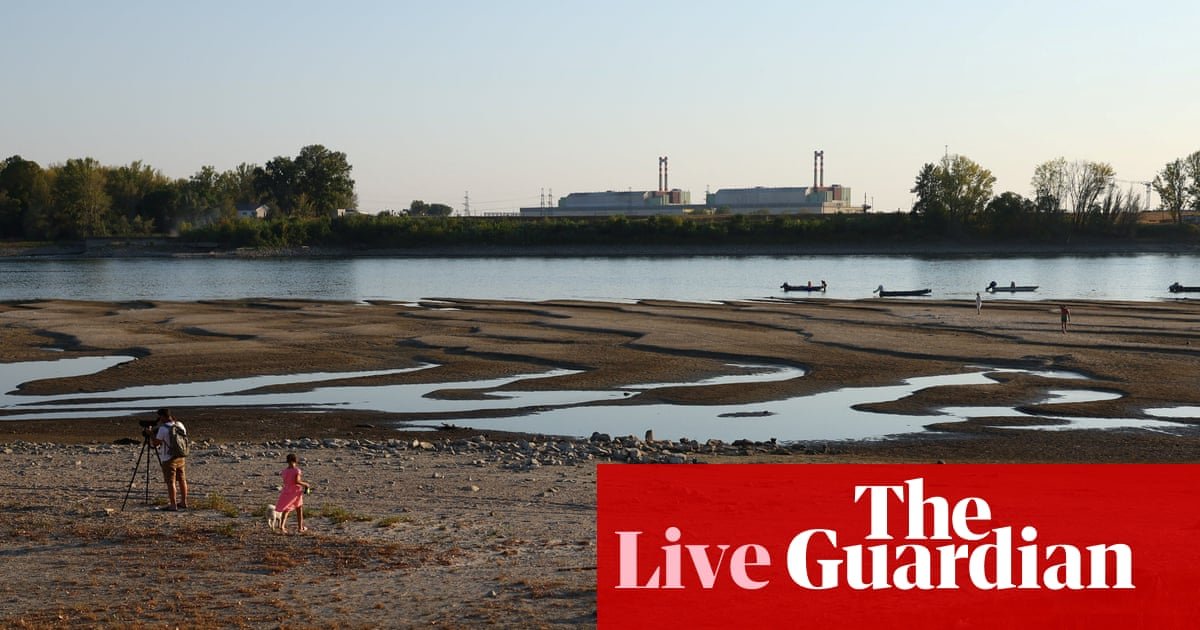
PM Péter Magyar says country nearly forced into decision as extreme heat and low water levels in Danube pose challenges in region
14m agoCeuta leader accuses Morocco over ‘atrocity’ of mass border crossing
31m agoEU ministers to discuss bloc's response to Ceuta migration crisis today
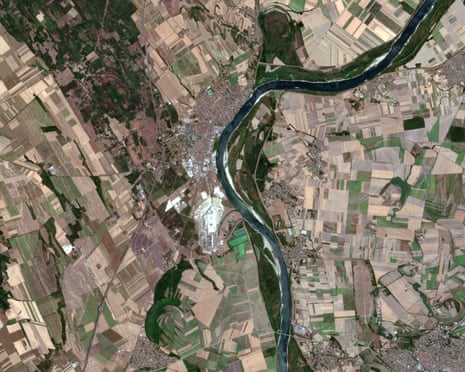
47m agoDanube drought - in pictures
52m agoMorning opening: Hungary 'within millimetres' of shutting down its nuclear plant as region fights extreme weather and droughts
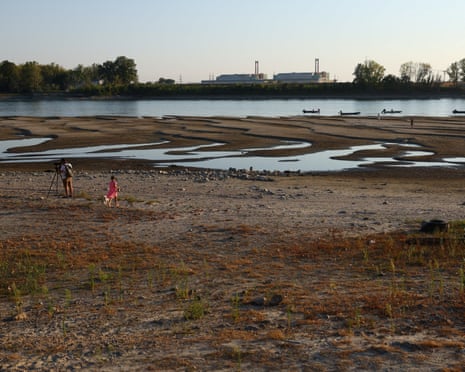
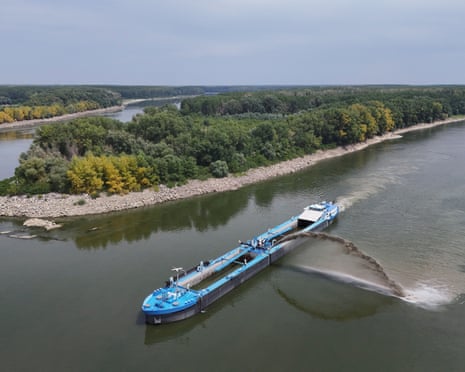
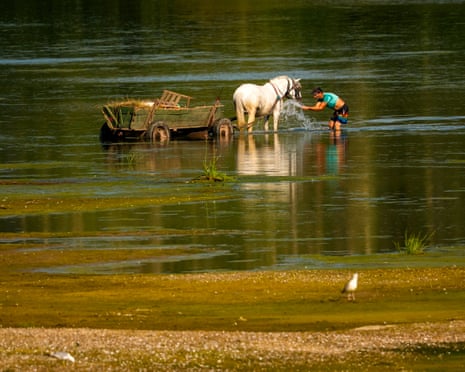
Hungary has come “within millimetres” of having to shut down its nuclear power plant overnight, prime minister Péter Magyar said, as low water levels in the Danube continue to pose challenges for countries in south-eastern Europe.
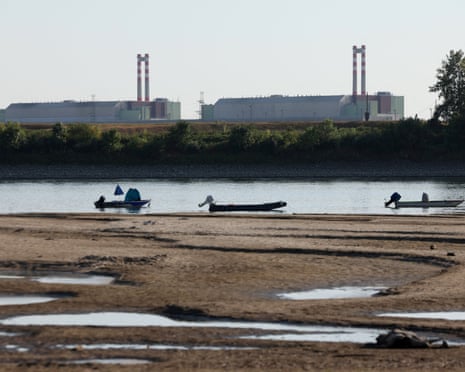
“Around 1:30 a.m. we were a few millimetres away from completely shutting down the Paks Power Plant, but then the water level stopped falling and by morning it had risen 1.5 centimetres. The last turbine is currently operating safely,” Magyar said on social media.
The plant already operates at a reduced capacity of just over 10% after the Danube fell to a record low, making it impossible to cool it properly.
Energy minister István Kapitány said on Tuesday that a number of energy saving measures succeeded in lowering energy consumption to keep the grid secure.
A number of businesses have made significant adjustments to their normal ways of working to save energy consumption during the peak hours. For example, a grocery chain Lidl changed its baking shifts, and turned off its drink fridges – despite temperatures expected to get close to 40C. Electric car chargers in their parkings can only be used until 5pm, HVG reported.
Over in Romania, the government celebrated that a two-centimetre rise in water levels after yesterday’s spectacular controlled explosion, intended to divert the flow of the Danube to help cool its Cernavodă nuclear plant.
The plant manager told local media that it should help keep the plant running during the next few days, but more interventions are planned today, with plans to sink old barges to further divert the flow of water.
Temperatures are set to surpass 40C in large parts of Romania today, again.
Elsewhere, I will keep an eye on the much-awaited meeting of EU interior ministers who will discuss last week’s migration crisis in Ceuta amid questions about the EU’s relationship with Morocco and the steps needed to secure the bloc’s external borders.
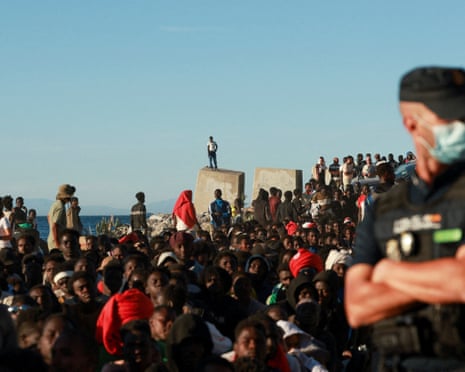
They are meeting at 10am Brussels time, and we should hear from the EU’s migration commissioner, Magnus Brunner, in the early afternoon.
I will bring you all the latest lines here.
It’s Tuesday, 4 August 2026, it’s Jakub Krupa here, and this is Europe Live.
Good morning.
Ashifa Kassam in Madrid, Okba Mohammad in Ceuta and Lisa O’Carroll in London
A growing chorus of voices has accused Morocco of helping to fuel the crisis in Ceuta, with the leader of the Spanish enclave describing last week’s border crossings as an attack on Spain’s territorial integrity that was seen as being “if not orchestrated, at least encouraged or permitted by Morocco”.
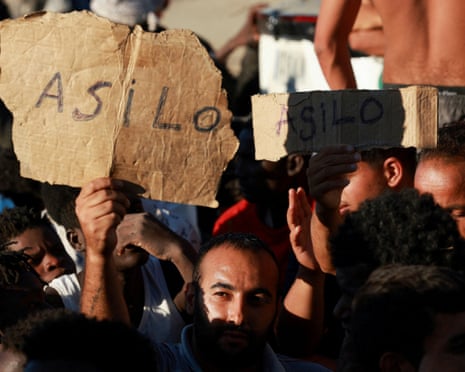
Spanish officials said on Monday that an estimated 69,500 people who had arrived late last week in Ceuta, a tiny Spanish territory in north Africa, had returned to Morocco in recent days. About 2,500 people who had made the crossing were believed to still be in Ceuta.
The extraordinary influx had overwhelmed the city of 84,000 people and set off a political crisis across the EU as some member states laid blame on Spain.
In Ceuta, leaders pointed to the broader picture of what had transpired. “It’s an atrocity,” said Juan Jesús Vivas, the long-serving conservative leader of the territory.
“There are 88 bodies in the morgue, and there are more on the other side of the border.”
He said local people watched the events play out with a mix of sadness, worry and anguish.
“People see this not as a migration crisis; it was fundamentally an attack, a violation of Spain’s territorial integrity,” Vivas told El País newspaper. “People felt that this, if not orchestrated, was at least encouraged or permitted by Morocco.”
He drew a parallel with May 2021, when Rabat loosened border controls, allowing 10,000 people to cross into Ceuta over the course of two days, during a diplomatic standoff over Madrid’s decision to allow a Western Sahara independence leader to be treated for Covid-19 in Spain.
This time around, analysts have suggested that Spain’s recent rapprochement with Rabat’s arch-enemy Algeria could have triggered a response from Morocco.
And if you want to catch up on the latest from Ceuta, here it is:
Over in Brussels, after a weekend of backbiting over the response to the mass border crossings in the Spanish enclave of Ceuta, EU ministers will seek to present a more unified front – and signal tougher security at Europe’s frontiers.
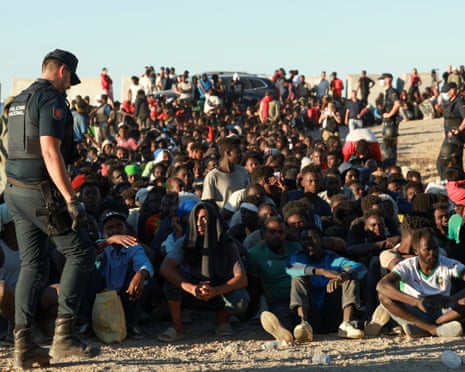
EU home affairs ministers are meeting at 10.30 CET via video conference to assess the bloc’s response to the arrival – and quick departure – of tens of thousands of people at the Spanish territory in north Africa. Around 100 people are estimated to have died on both sides of the Spanish-Moroccan border.
Ministers are not expected to take decisions, but EU sources think they will give a broad endorsement to the measures outlined by the European Commission president, Ursula von der Leyen on Monday, intended to ensure stronger border protection “at critical points” of the EU’s external border.
Von der Leyen wants to double down on five areas: strengthening cooperation with non-EU countries to prevent migration; stronger external borders; implementing early warning systems; dismantling smuggling networks; and boosting returns of people with no right to stay.
At a meeting of senior EU diplomats on Monday, several countries stressed the importance of preventing sudden movements of people, calling for greater use of intelligence and monitoring of disinformation and misinformation.
While Madrid’s envoy voiced his government’s frustration with the response from some member states, others rejected suggestions that they had failed to show solidarity over the sudden influx of arrivals.
A number of member states said they were ready to help and reflected on their own experience: Poland and Lithuania referred to the instrumentalisation of people on the move by the Belarusian dictatorship, while Italy and Greece spoke of their dealings with sudden arrivals of large numbers of people. But despite the warm words, many governments remain critical of Spain’s plan to regularise 500,000 undocumented migrants, which has triggered nearly 1.2m applications.
“There is some concern that the regularisation of 1.2m people can be used to paint a picture that the door is open.”
This issue is set to run. And EU migration policy in general, including controversial plans for return hubs, will be high on the agenda in the autumn, including at the EU’s next scheduled summit in October.


Europe live with Jakub Krupa