(This article is part of the View From India newsletter curated by The Hindu’s Sri Lanka correspondent. To get the newsletter in your inbox every Monday, subscribe here.)
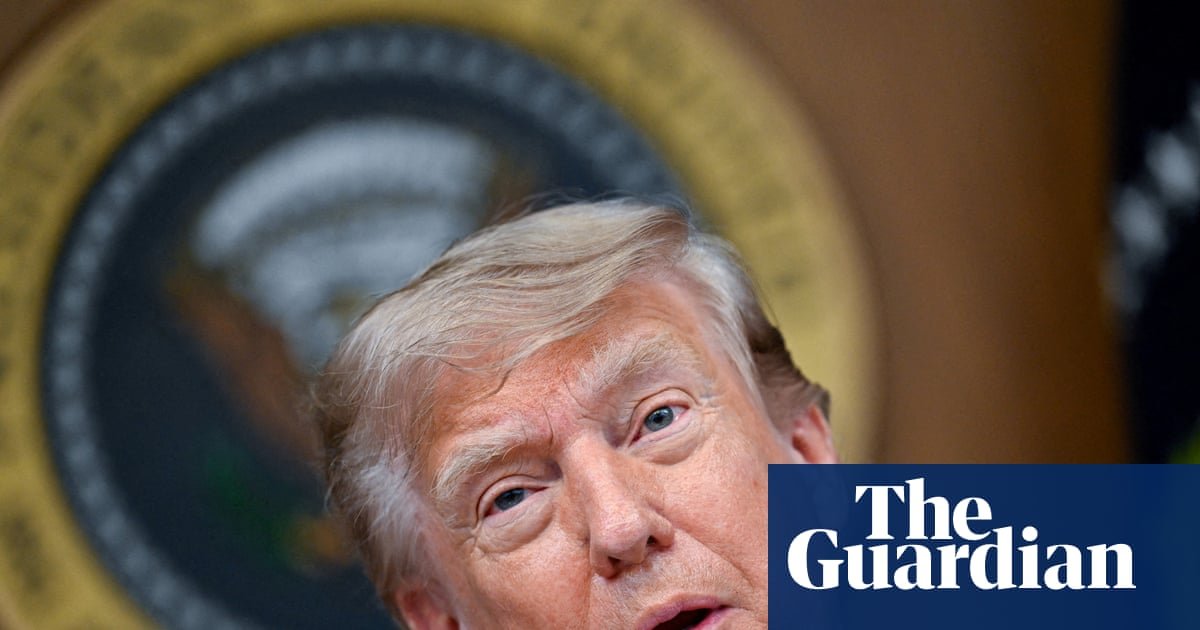
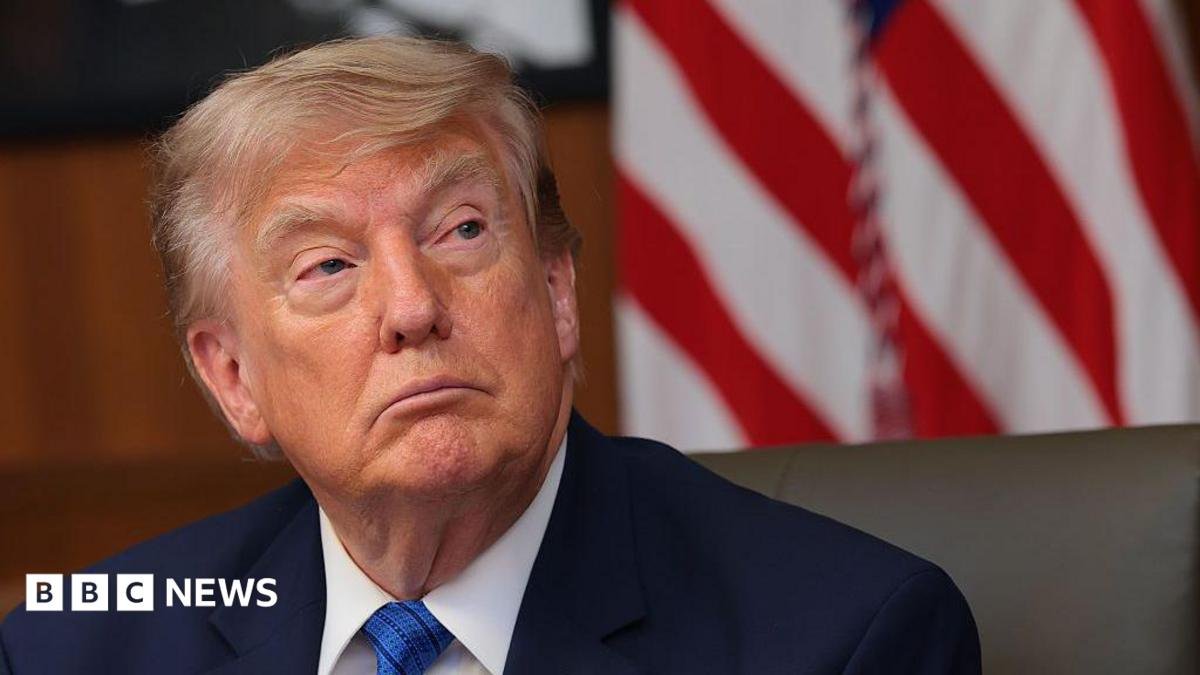
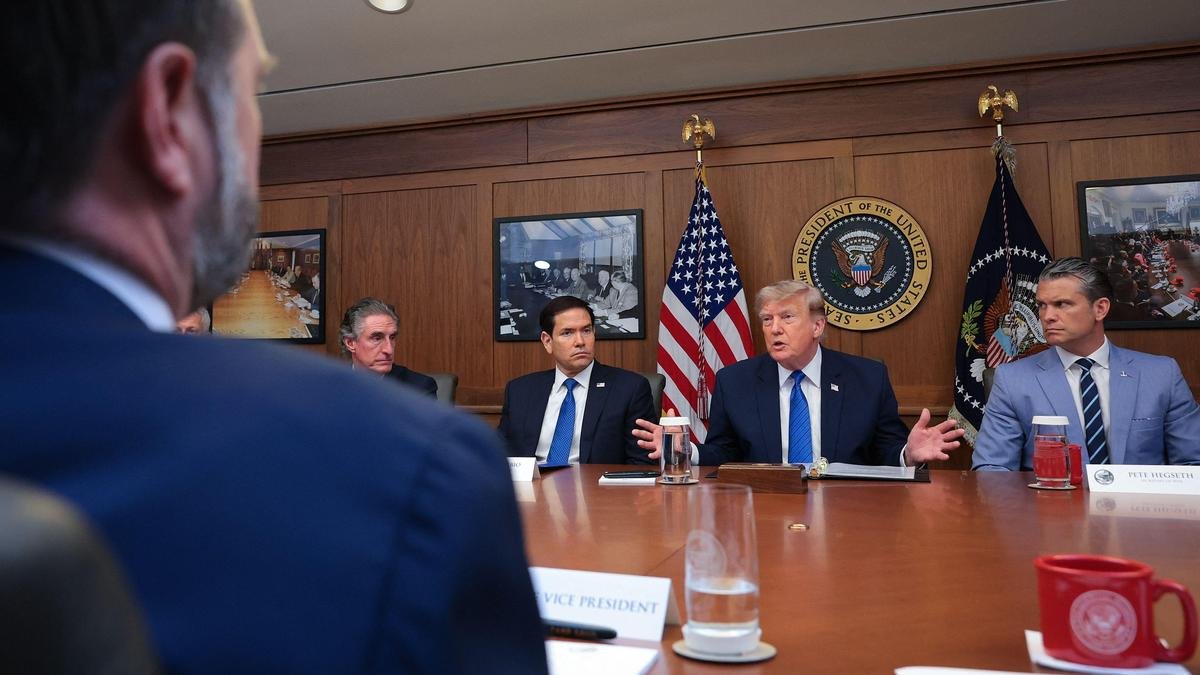
United States President Donald Trump has said talks with Iran will happen today (August 3, 2026), although he declined to set a deadline for an agreement, following his recent announcement that he would hold off on any new strikes on Iran based on “requests” from Middle East.
Mr. Trump also referred to a call with Saudi Crown Prince Mohammed bin Salman. “I said to the Crown Prince, ‘What would you rather do? Would you rather us do this or not?’” Mr. Trump told reporters on Air Force One as he flew back to Washington after spending the weekend at his golf club in Bedminster, New Jersey. “They said we would much prefer a deal as opposed to an attack, because you don’t know where these attacks lead.” Mr. Trump and the Crown Prince spoke on Saturday (August 1, 2026) before the U.S. President announced in a social media post that the West Asia allies had reached the “perimeters” of a deal to end the five-month-old war.
As much as Mr. Trump and his backers may project this backing off as a necessary or useful tactic in this protracted conflict, the reality is that the US is stubbornly persisting with a war it has already lost. What this means is that the world is witnessing a needlessly long conflict, with severe economic costs for countries near and far.
We don’t yet know where Monday’s meeting will take place or who will be at the negotiating table. But what is evident is that the world’s most powerful country and its erratic leader are just resorting to hollow threats. Mr. Trump’s multiple U-turns reveal nothing but an abject failure to understand how negotiation in diplomacy, or diplomacy in negotiation, works.
Meanwhile, the announcement of a United States-Saudi Arabia civil nuclear deal, in the midst of a U.S.-Iran war that began over Tehran’s nuclear programme, could hardly have come at a worse time, as The Hindu noted in its editorial. “ Ill-timed diplomacy, ambiguous provisions and shifting conditions have deepened Saudi concerns and strengthened Iran’s resolve. That is the result of Mr. Trump’s version of the “art of the deal”, it contended.
In the neighbourhood
Sheikh Hasina to hold presser on August 5, a month before Tarique Rahman’s expected visit; Bangladesh’s deposed leader will address the media virtually on the second anniversary of her arrival in India post-2024 uprising, writes Kallol Bhattacherjee
In a first, India’s High Commissioner to Bangladesh meets U.S. Ambassador to India in Dhaka. New Delhi has declined to provide any information about the meeting, a first in a foreign location, between the two envoys
Top 5 stories we are reading this week:
1. ‘We are not anyone’s proxy force’: Iranian Kurdish party
‘We are not anyone’s proxy force’: Iranian Kurdish party spokesman Rivar Abdanan tells Stanly Johny
2. Trump announces deal for ‘complete disarmament’ of Hamas
Trump announces deal for ‘complete disarmament’ of Hamas – Stanly Johny writes
3. Modi, Burnham discuss trade, technology, Hormuz over phone
Modi, Burnham discuss trade, technology, Hormuz over phone; The U.K. counterpart Andy Burnham set out his ambitions to further enhance the U.K.-India relationship – Sriram Lakshman writes
4. Diminishing relevance: On the Commonwealth Games
Diminishing relevance: The Commonwealth Games look increasingly like a relic from the past – The Hindu editorial on the Commonwealth Games
5. Ceuta | A slice of Europe in Africa
Ceuta | A slice of Europe in Africa - Smriti Sudesh writes on the Spanish exclave that witnessed one of its largest migration crises, as up to 60,000 Moroccans breached its borders and arrived in the city, seeking asylum