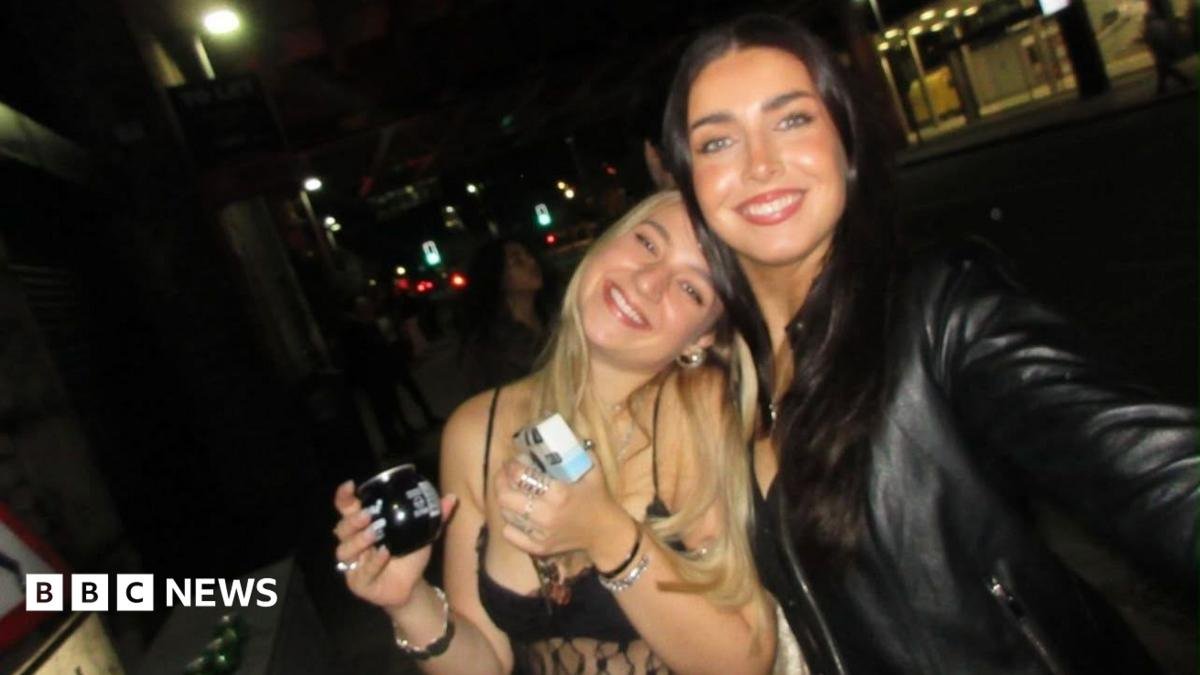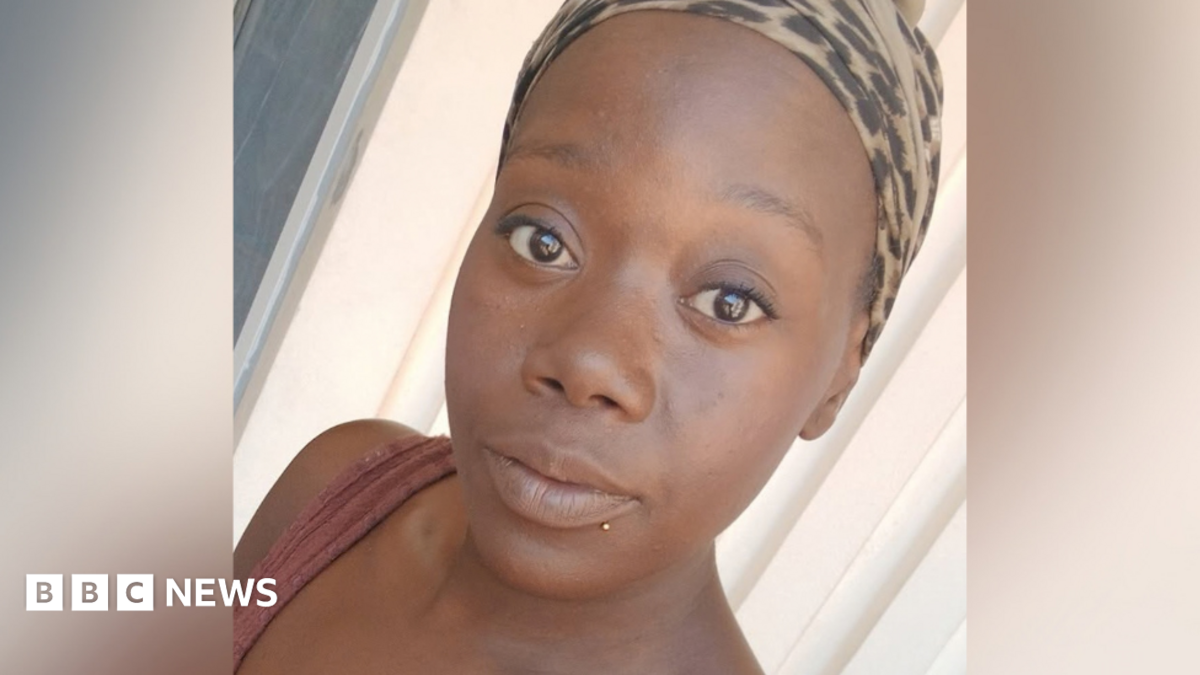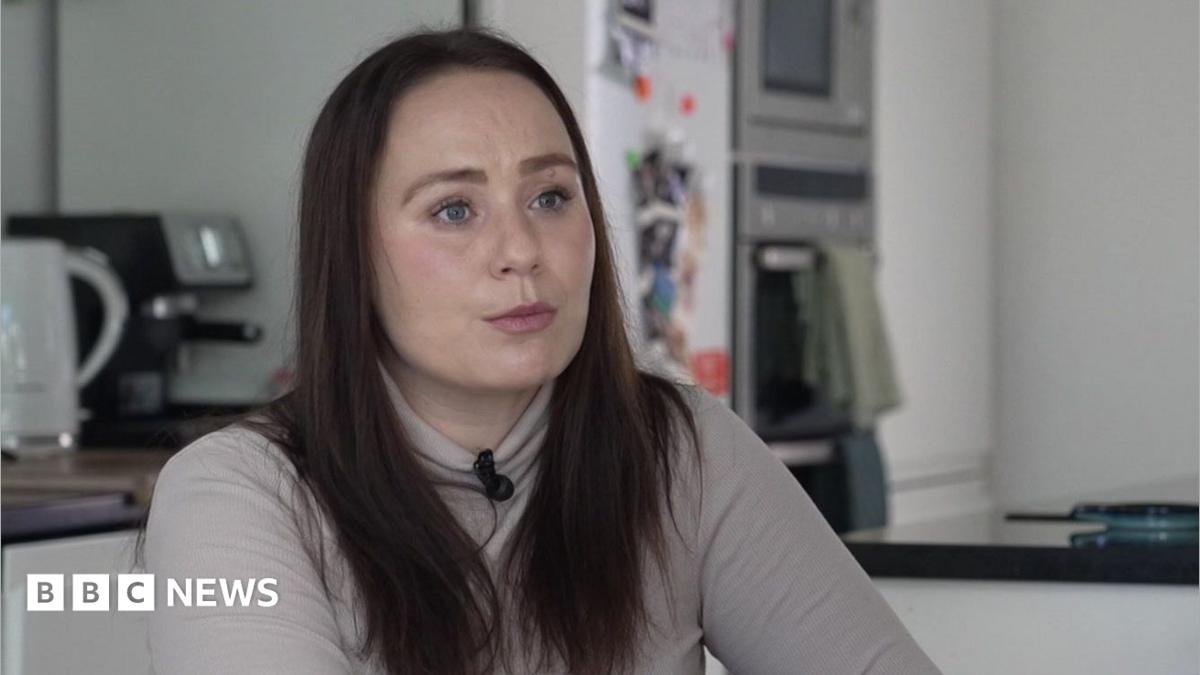
Image caption, Rosanna Brown was advised to end her pregnancy because her baby had a life-threatening medical condition BySophie LawSouth of England Published 2 minutes ago A woman whose baby was too ill to be born is calling for better awareness of choosing a termination for medical reasons.
Rosanna Brown, who lives near Waterlooville, Hampshire, was advised to end her pregnancy with son William in 2023 because he had a rare and life-threatening medical condition called Chaos syndrome.
Continuing the pregnancy would have risked both their lives, but Rosanna said the experience was made even more difficult due to a lack of training around medically-advised abortions.
An NHS spokesperson said it offered "comprehensive support for women whose unborn baby is diagnosed with a serious health condition".
Rosanna said she understood why so many people who suffered a termination for medical reasons (TFMR) just told others they had had a miscarriage.
"Because it's a type of abortion, you have the pro-life pro-choice argument, you are thrown into the middle of that," she said.
"You have this feeling that your grief isn't as valid because you've chosen [it].
"It's such a complex and lonely thing to go through and it's so much harder if you can't tell the truth of what happened to you.
"Because for so many parents termination is the most loving thing they could offer." About 5,000 women a year are offered a TFMR, which is more than experience stillbirth and neonatal death.
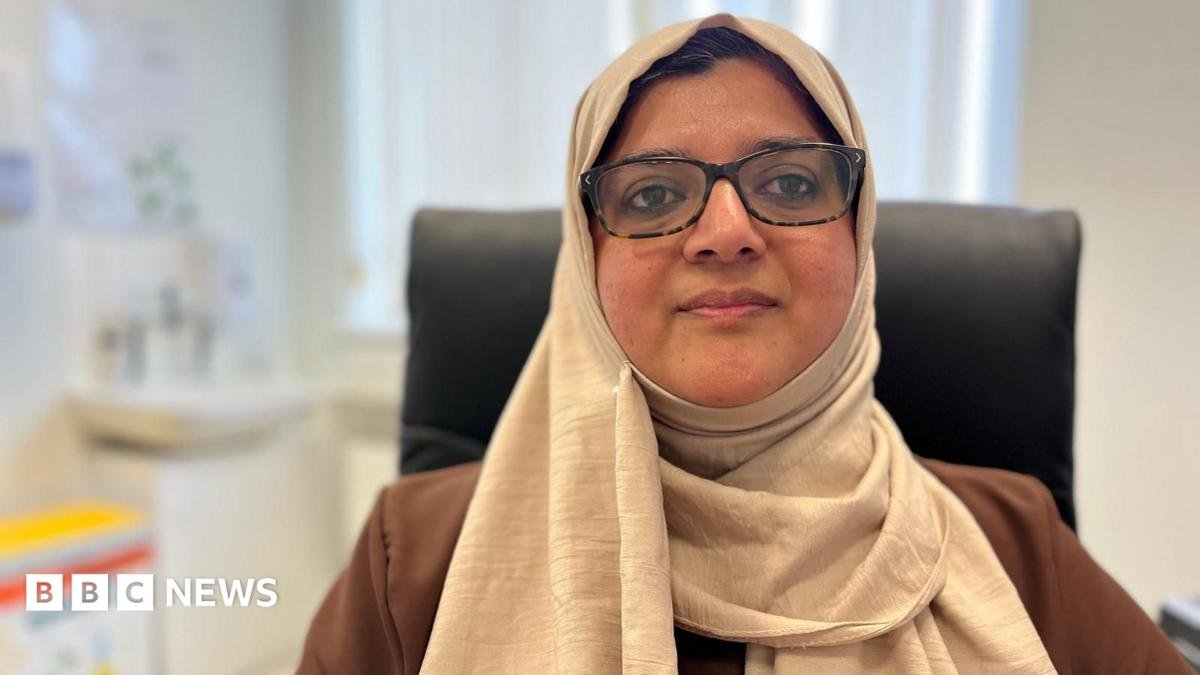
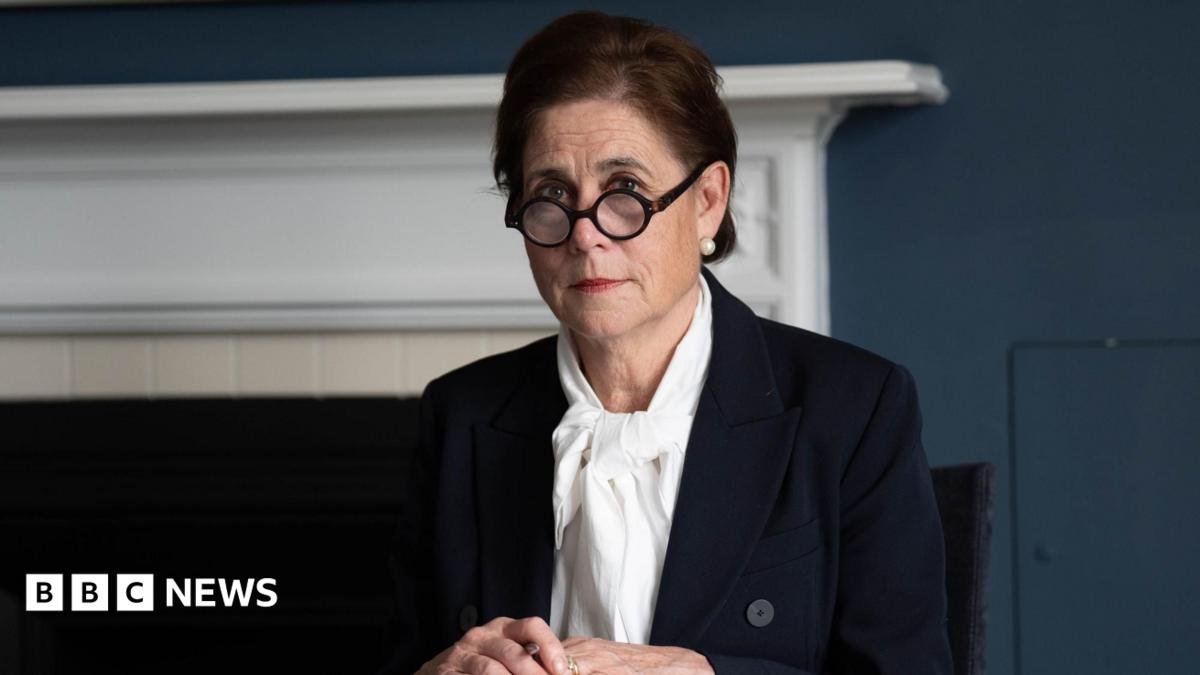
Image caption, Jane Fisher from the Arc charity said it was important to break the taboo around TFMR Rosanna is campaigning for change, including for the term TFMR to be properly used, which she said it was not on her son's forms.
Instead her loss was described as a "late miscarriage", which she said "silences you further".
"I made a choice here, I didn't naturally lose my baby," she said.
"I didn't come across [TFMR] until a good few months after I'd lost him.
"And in that time, you're searching for community and for support and for compassion for people to get it.
"And if that term is not being used by medical professionals with the patients that they're seeing, I think sometimes it's because they're worried about offending you." Jane Fisher, chief executive of the ARC Charity, said it was a very difficult situation and that using the right term was really important.
"It describes the reality of the situation and I think that's important both for parents to accept what happened but also for us to break the stigma and taboo around this particular loss," she said.
"[Without it] it can be very difficult to grieve in a healthy way," she said.
Image caption, Ahead of Baby Loss Awareness Month Rosanna Brown has written a book called The Silence Of TFMR A Department of Health and Social Care spokesperson said "every woman going through this incredibly difficult situation deserves proper care, compassion and support".
They added that "all major abortion providers offer counselling and advice on the options available".
An NHS spokesperson also said it provided "mental health support for baby loss following a decision to terminate a pregnancy".
Earlier this year, Rosanna and her husband became parents again to a daughter.
But they said they would always talk about her big brother William and had planted a memorial garden in his honour.
Ahead of Baby Loss Awareness Week she has written and published a compassionate guide to help others, called The Silence Of TFMR.
She said: "Some of the most painful advice [was] 'don't let this define you'.
"I really took offence because your identity changes, your whole life changes.
"I am defined [by it] and am quite happy to be.
I need to find ways to keep tapping into that identity of parent to him because that's the only way he gets to exist, in this world." Baby Loss Awareness Week takes place from 9 to 15 October.