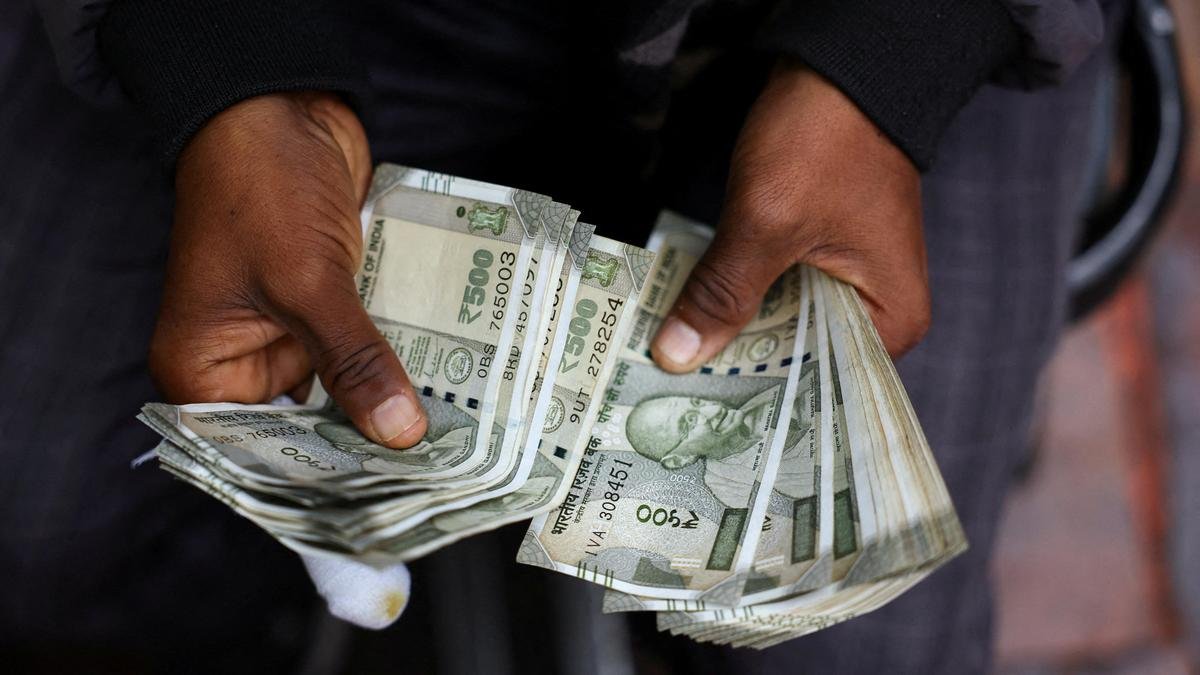
The Indian rupee tip-toed through another lacklustre trading session on Monday as persistent central bank intervention kept the currency trapped in a thin band while investors awaited details of threatened U.S. sanctions on Iran.
The rupee closed out the session at 95.7450 per dollar, moving inside a range of about 10 paisa through the session.
State-run banks were spotted offering dollars, most likely on behalf of the Reserve Bank of India, traders said. Such interventions over the last two weeks have driven the rupee's near-tenor volatility to among the lowest for Asian currencies.
The currency's 2-week realised volatility has declined below 2% while the 1-month implied volatility, a gauge of future expectations, has eased to about 4%, below its year-to-date average of 5.2%.
"It appears that the central bank wants to deter any appetite to bet against the rupee but whether that is happening will be clear only when intervention recedes," a trader at a Singapore based hedge fund said.
The traders expects the rupee to hover between 95.50 and 96.50 in the near-term, with a sustained fall in oil prices seen as key for a meaningful recovery.
Ongoing conflict in the Middle East has kept investors uncertain about when supplies from the key producing region could revive to pre-Iran war levels.
"We now forecast a more drawn-out Middle East supply recovery, which leaves the market in a deficit throughout 4Q (2026) and 1Q. With that, we revise our Brent forecasts higher, peaking at $100/b in 4Q," analysts at Morgan Stanley said in a note.
India imports nearly 90% of its crude requirements, making it one of the world's most vulnerable economies to the Middle East oil shock.
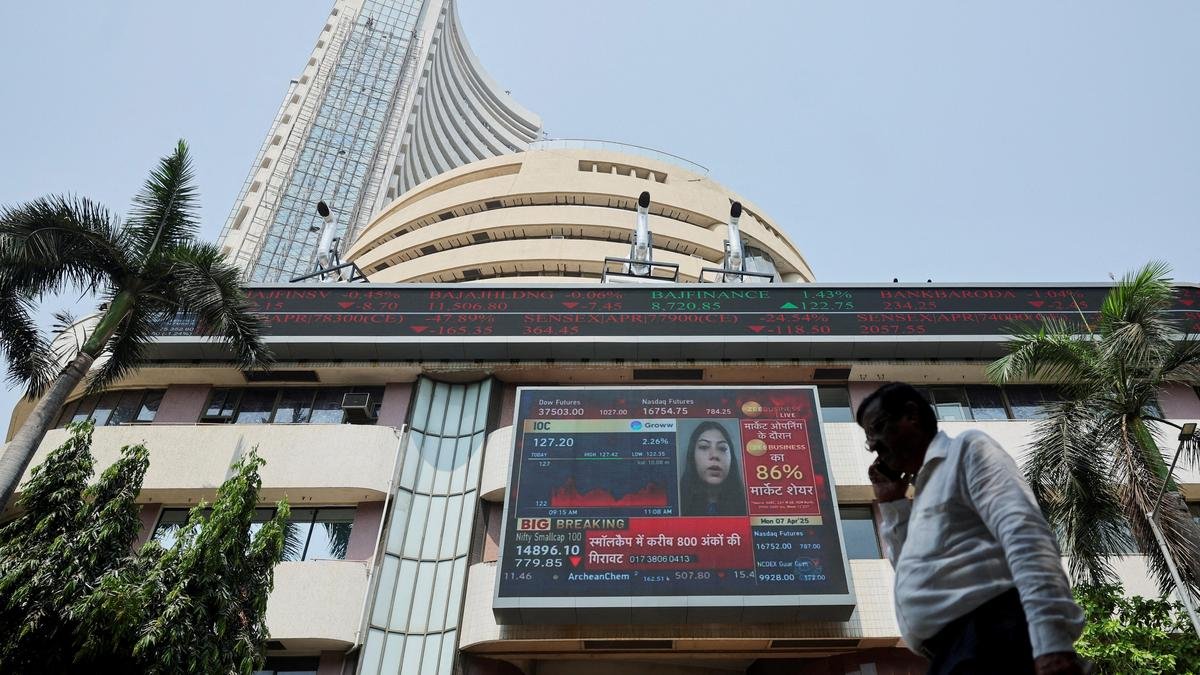
Elsewhere, the dollar index firmed 0.2% to 99 while most Asian currencies and regional stock indexes fell. India's benchmark Nifty 50 was down about 0.3%, faring better than the 1.5% drop in MSCI's gauge of regional stocks outside of Japan.