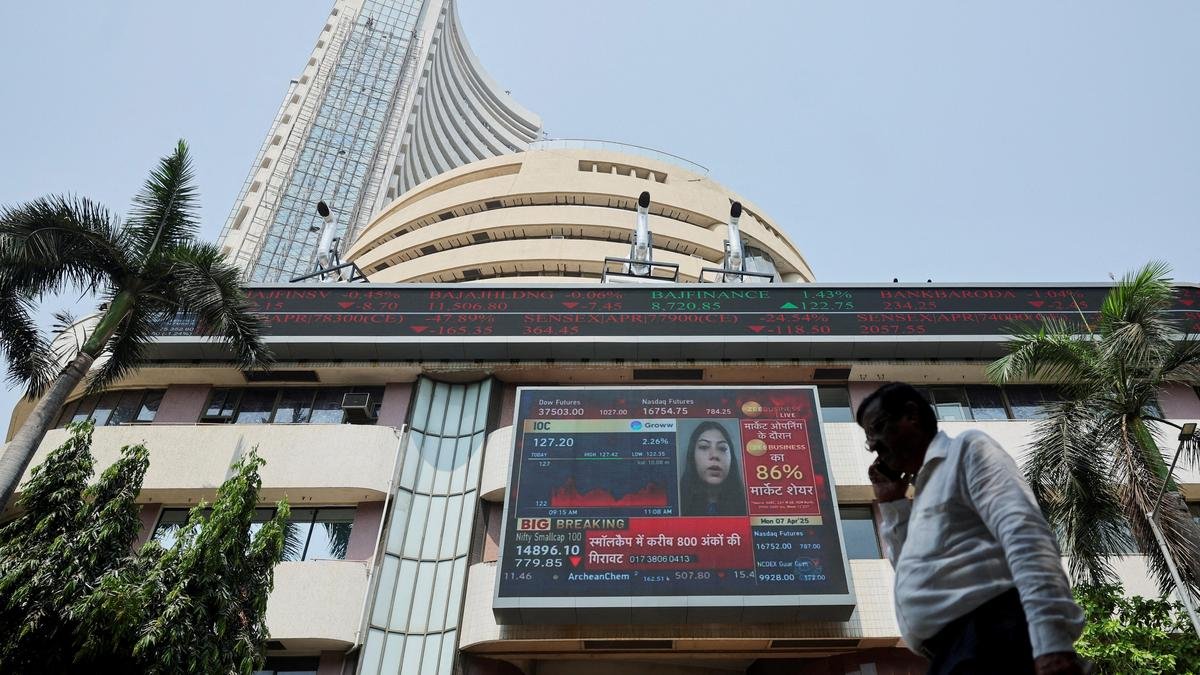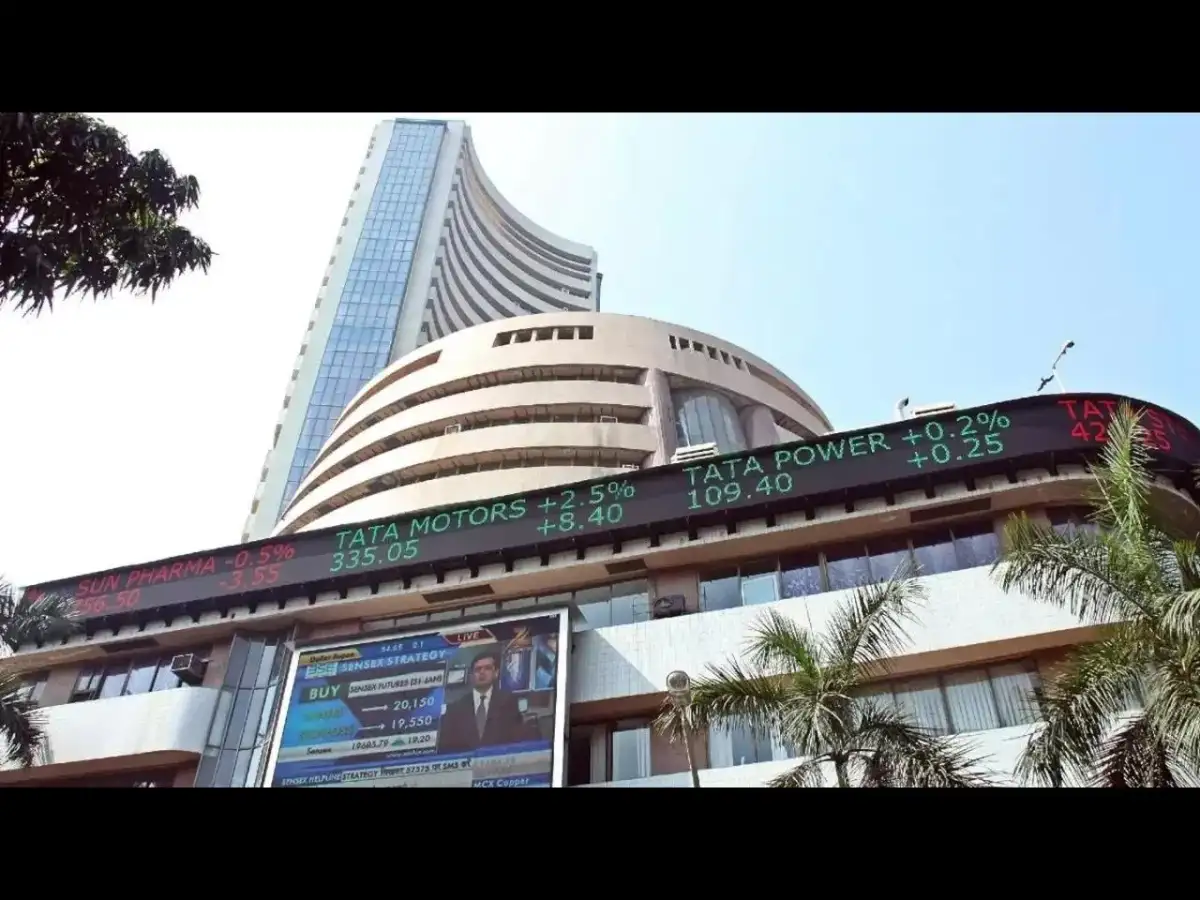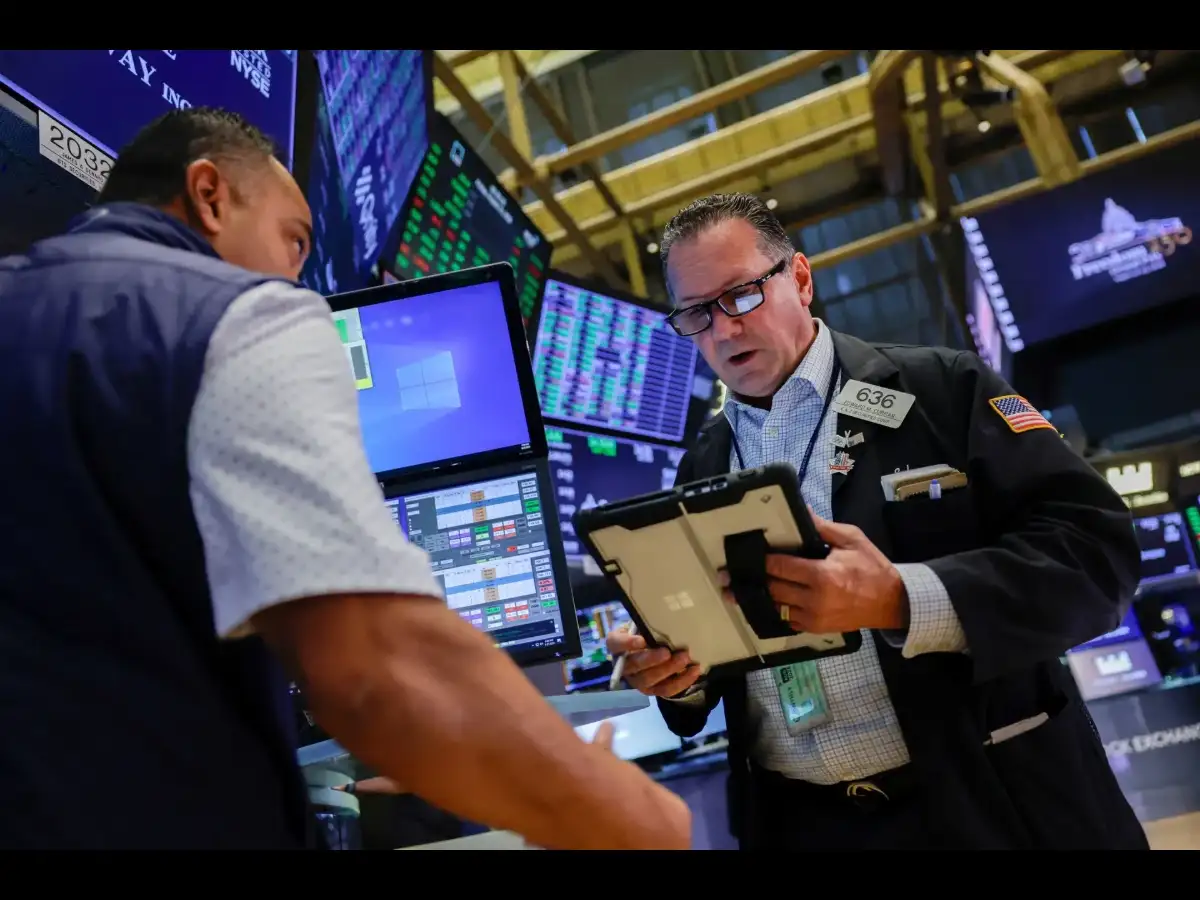
Wall Street was edgy on Monday, with the S&P 500 and Nasdaq sliding as investors braced for a high-stakes week loaded with geopolitical posturing, key earnings, and debt market jitters, according to Reuters.
At 10:52 a.m. ET, the S&P 500 fell 21.06 points, or 0.27%, to 7,653.31. The Nasdaq Composite dropped 157.33 points, or 0.60%, to 26,023.12, while the blue-chip Dow Jones Industrial Average rose 138.07 points, or 0.26%, to 53,415.08.
Equities faced a sober reality check as Washington signaled a major shift in its economic stance toward Iran while traders prepared for events that could redefine market direction.
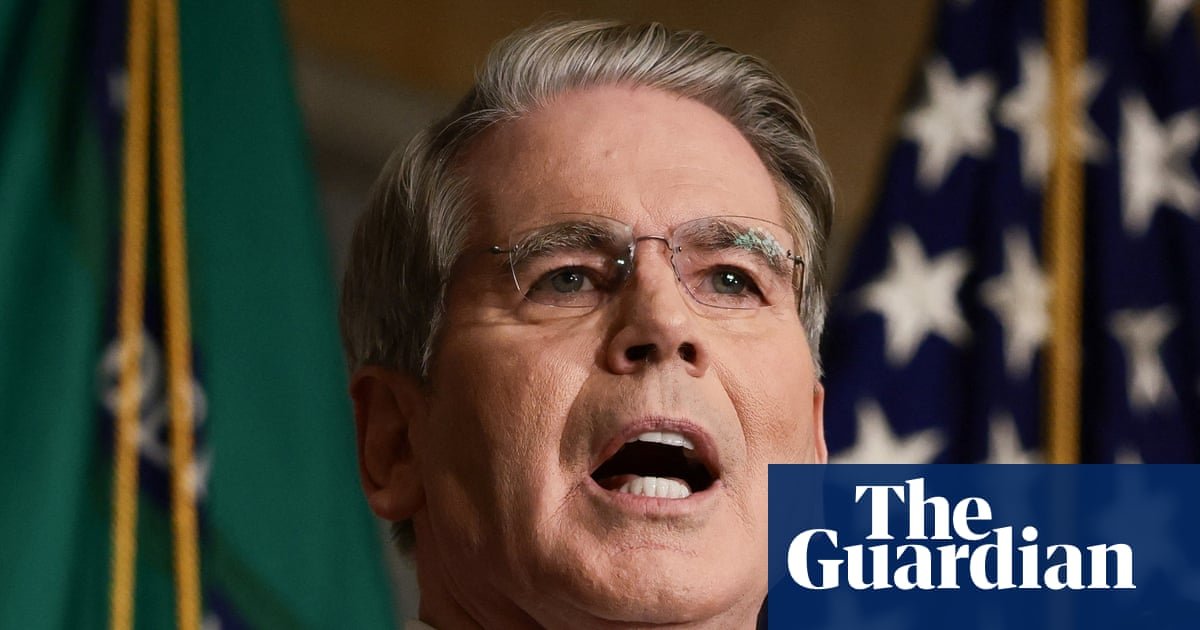
The mood shifted after U.S. Treasury Secretary Scott Bessent warned of an "economic D-Day" targeting Iran's trade partners. Calling it the largest financial offensive in history, the move raised immediate concerns over how a fresh geopolitical conflict might impact global energy supply lines and broad economic conditions. Reuters reported that investors are now waiting on a scheduled afternoon press conference from Bessent to gauge the full scope of these proposed trade sanctions.
Adding to the tension is ongoing pressure in the U.S. bond market. Surging energy prices and swelling government debt pushed yields sharply upward last week, driving the 30-year Treasury yield past a 19-year peak before federal intervention offered relief. Although Reuters noted reports that the Treasury could tap its nearly $1 trillion General Account to fund bond buybacks instead of issuing short-term bills, bond markets remained cautious. The 30-year yield held firm above the key 5% threshold, keeping pressure on high-growth shares.
These mounting worries have turned all eyes toward the Jackson Hole symposium later this week, where Federal Reserve Chair Kevin Warsh is scheduled to speak. Market participants are eager to decode his comments for hints on how policymakers intend to navigate debt market turbulence, inflation risks, and Middle East fallout.
Traders have fully priced in a single 25-basis-point interest rate hike by the end of 2026, though a milder inflation report earlier this month helped reduce immediate rate hike fears. Wednesday’s Personal Consumption Expenditures report will offer further clues on underlying price pressures.
Beyond Washington, Nvidia's quarterly results present the week's biggest wild card. As the world's most valuable company, Nvidia carries the weight of the AI rally on its shoulders, where any slowdown could spark broader valuation doubts.
"Chips have become a frothy space. I just don't know what good news hasn't already been priced in," Marta Norton, chief investment strategist at retirement and wealth services provider Empower, told Reuters.
That anxiety hit tech hard on Monday. Nvidia dropped 2.44%, driving the Information Technology sector down by 1.11%. Marvell Technology and Micron Technology each shed over 6%, while Sandisk plunged 10.62%. Slight gains under 1% in Apple and Amazon failed to offset overall weakness.