Iran offered a plan to reopen the strategic Strait of Hormuz, Tehran said on Friday (September 25, 2026), but within hours reports indicated that U.S.
President Donald Trump rejected the proposal.
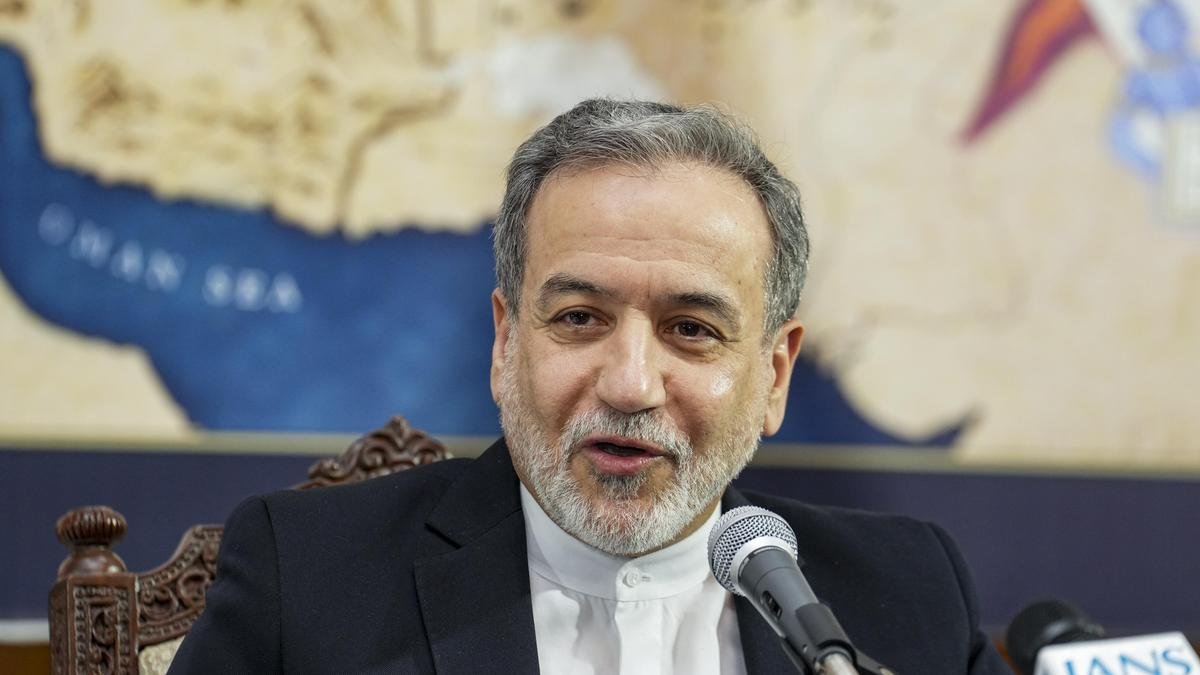
Iran has offered to reopen the Strait of Hormuz and resume talks on its nuclear programme in seven days if the United States lifts its naval blockade, waives sanctions on Iranian oil sales and observes a ceasefire that would include Lebanon.
Trump on Iran’s proposal However, with hours of his comments The Wall Street Journal reported Mr.
Trump had rejected the proposal, citing U.S. officials familiar with the matter.
The report noted that the 80-year-old President was skeptical Tehran would meet his demands and added he sees a renewed bombing campaign as likely.
Mr.
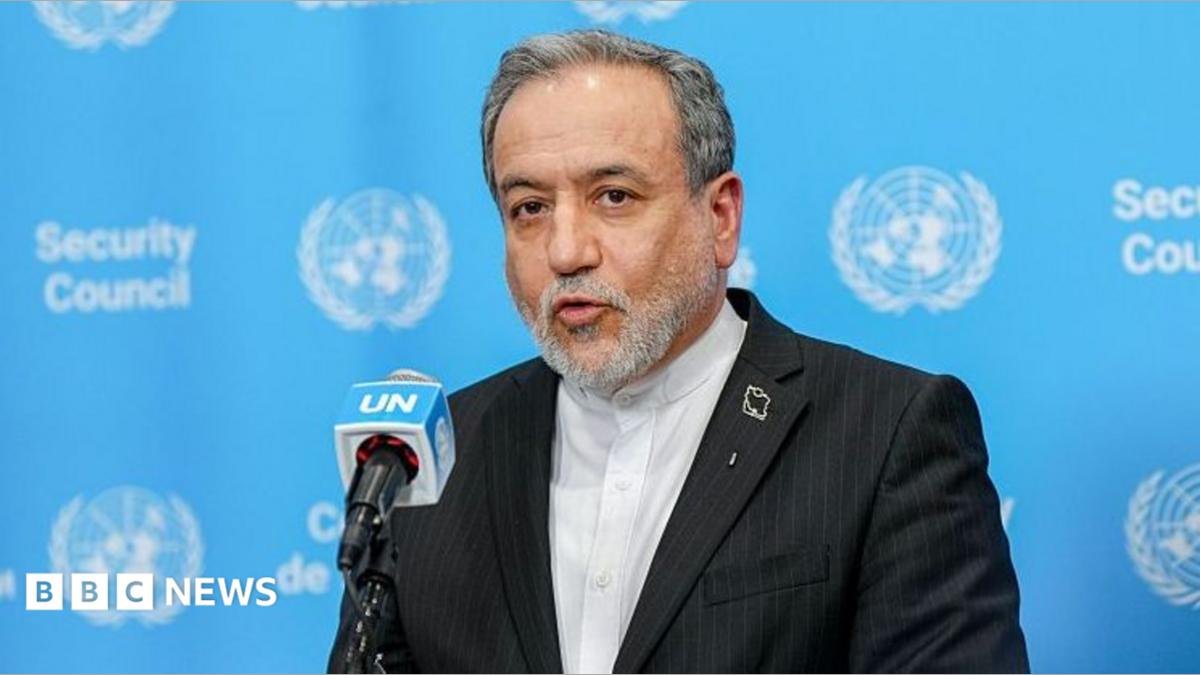
Trump also posted an image to his Truth Social platform of a map showing the Strait of Hormuz circled and labelled “Trump Strait.” Iran's Foreign Minister Abbas Araghchi detailed the proposal in a private gathering on Thursday (September 24, 2026) on the sidelines of the UN General Assembly in New York, according to one attendee.
Iran's President says it is up to U.S. to choose if it wants to end Iran war Trita Parsi, Executive Vice-President of the Quincy Institute think tank, who attended the private gathering, said Mr.
Araghchi suggested that a speedy agreement would help U.S.
President Donald Trump ahead of November's midterm elections.
There was no immediate comment from Iran's UN mission or other Iranian officials.
The proposal strongly resembles the so-called Memorandum of Understanding (MoU) reached in June, but with an accelerated timetable.
The earlier agreement, which had called for a 60-day interim period, quickly collapsed as Iran resumed attacks on shipping in the strait.
Hope for progress after U.S., Iran hold first shuttle talks in months Mr.
Trump has said he is in no rush to reach a deal, even as high oil prices fuel inflation and exacerbate cost of living concerns.
On the Iranian side, there are questions as to whether the hard-liners who dominate the security forces will accept compromises championed by relative moderates, like President Masoud Pezeshkian.
“If Trump calculates this arrangement is worthwhile and can bring political benefit before the midterms and reduce gas prices, perhaps we'll see flexibility not seen in previous weeks,” Mr.
Parsi said.
But he noted “deep suspicion,” especially around the prospect of Iran merely buying time to get out more of its oil and ease its economic pain.
Deciding between deal or driving Iran ‘into hell’, says Trump at UN General Assembly In the latest sign of diplomatic movement, Mr.
Pezeshkian hosted the Prime Minister of Qatar early Friday (September 25, 2026).
Qatar has served as a key mediator, including during hours of indirect Iranian-US talks at the UN this week.
It was not clear how long Mr.
Pezeshkian and Mr.
Araghchi would stay in the U.S. after Mr.
Pezeshkian addressed the annual UN gathering of world leaders on Wednesday (September 23, 2026).
U.S.
Secretary of State Marco Rubio said that “if there's an opportunity to exchange ideas and messages, we will.” (With inputs from AFP, AP)