Four Lebanese citizens who were held in Israel have been released and handed over to the International Committee of the Red Cross (ICRC), the day after a first prisoner was freed.
In a statement on Friday, Lebanon’s President Joseph Aoun thanked the United States after the Red Cross facilitated the transfer. The US has been brokering talks between Beirut and Tel Aviv aimed at ending hostilities between the neighbouring countries.
Recommended Stories
list 1 of 4Israel kills or injures 7 children a day in Lebanon invasion, report says
list 2 of 4Israel releases Lebanese civilian, says five prisoners will be freed
list 3 of 4US Vice President JD Vance declines to offer timeline for end of Iran war
list 4 of 4In southern Lebanon, Israeli demolitions continue ‘day and night’
Aoun expressed his gratitude “for all the efforts exerted, particularly by the US under the leadership of President Donald Trump and by international bodies, especially the ICRC”.
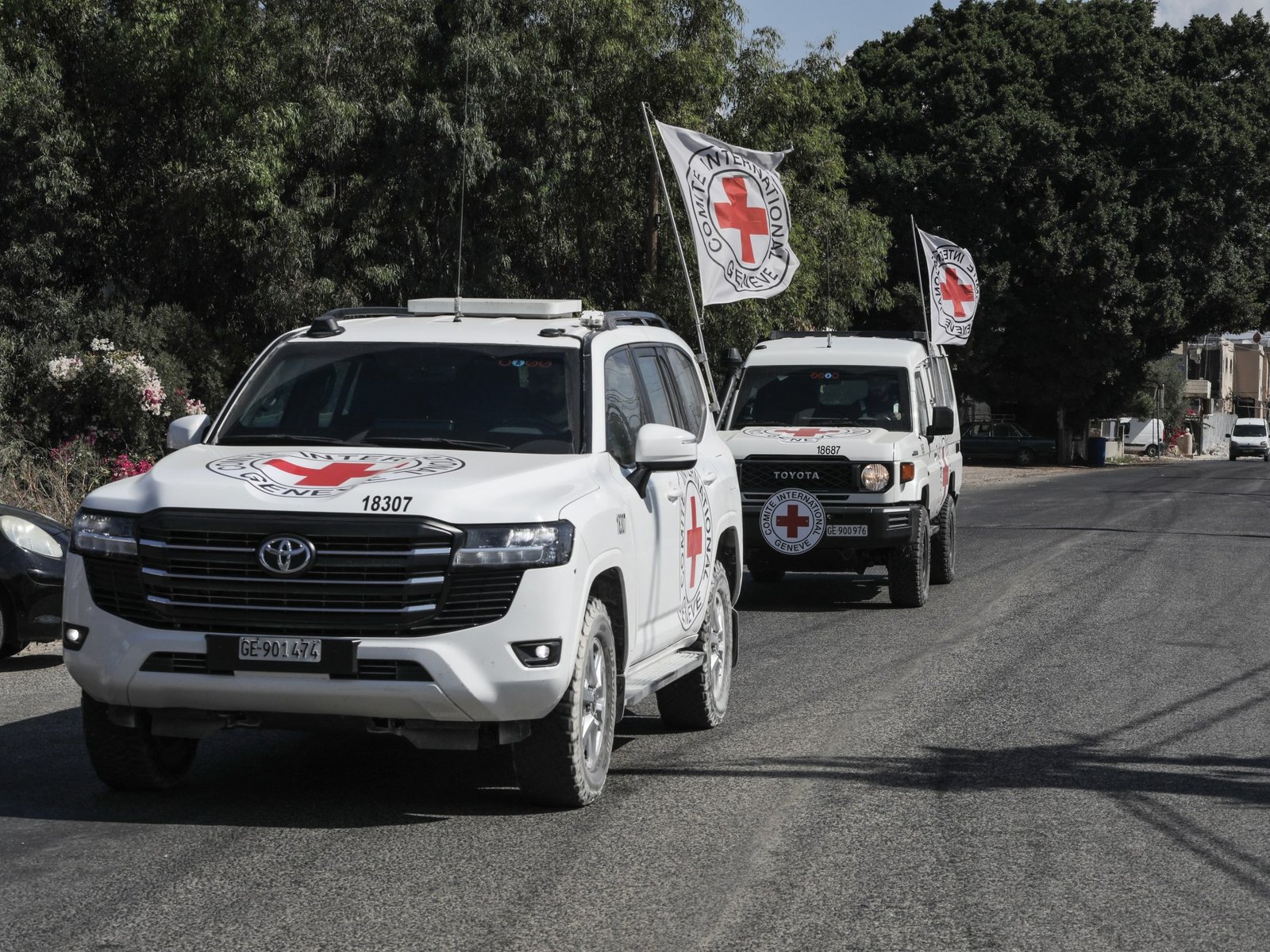
The ICRC confirmed that “at the request of the relevant parties, [it] facilitated the transfer to Lebanon of five individuals released from Israeli detention”.
Associated Press and Anadolu news agency reporters said they saw a convoy of ICRC vehicles heading towards the Naqoura border crossing on Friday morning and later returning. The convoy then entered a Lebanese army barracks in Tyre.
The release follows a pledge by Israeli Prime Minister Benjamin Netanyahu on Thursday that authorities would free five Lebanese prisoners.
The prisoner released on Thursday was identified as Malek Ghazi.
It was the first such handover since the outbreak of the latest Israel-Hezbollah war six months ago.
Other released prisoners include Hussein Ayash from the village of Harouf and Mohammed Juheir, a fisherman from the border town of Naqoura, AP reported.
Dozens of Lebanese citizens are believed to be held in Israeli detention centres, including civilians as well as Hezbollah members captured during fighting in southern Lebanon.
The ICRC called for its teams to be granted access to the remaining prisoners unjustly held by Israel, noting that it has not had access to detainees held in Israel since October 2023.
“Many families in Lebanon are still waiting for answers about the fate of loved ones who may be detained, deceased or otherwise unaccounted for,” it said.
Clashes between the Israeli army and Hezbollah began after Israel launched its genocidal war on Gaza in October 2023. That led to over a year of hostilities that escalated into a full-blown war in 2024.
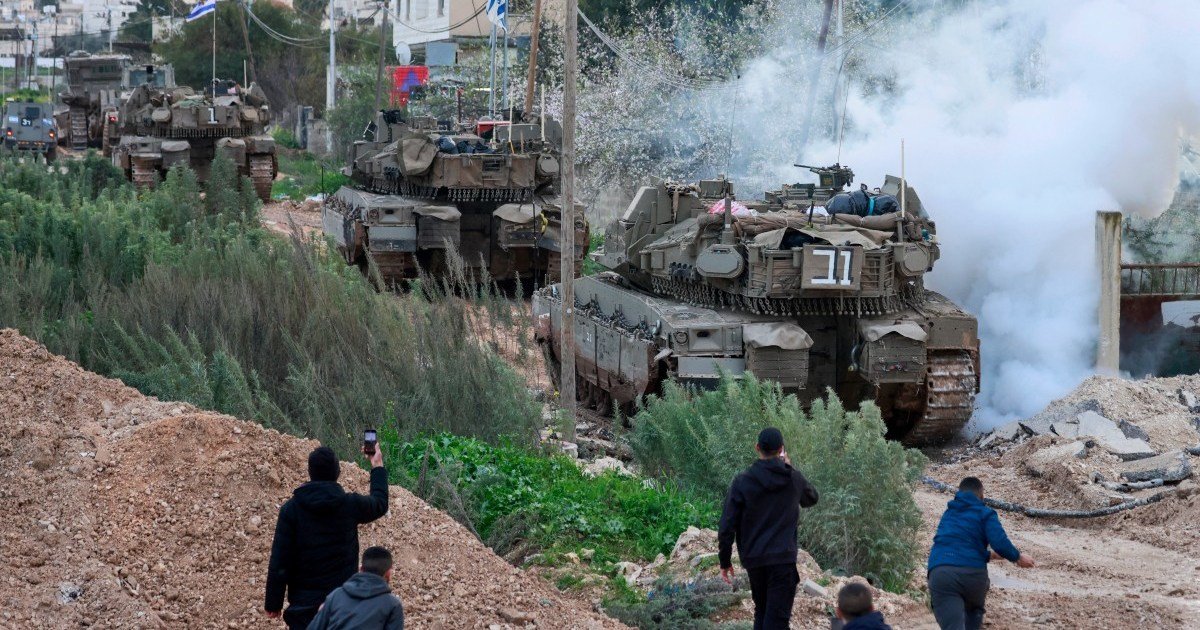
Two years later, Lebanon was fully drawn into the conflict when the US and Israel launched a war on Iran. Hezbollah, a key ally of Iran, fired rockets into Israel in retaliation for the killing of Supreme Leader Ayatollah Ali Khamenei. Israel responded with air strikes and a ground invasion that have killed at least 4,300 people in Lebanon.
Lebanon began direct talks with Israel in April. Aoun’s government has vowed to fulfil the terms of the US-brokered framework agreement.
He said it would pave the way for “the full restoration of Lebanese sovereignty, without giving up an inch of our land or a single one of our people”.