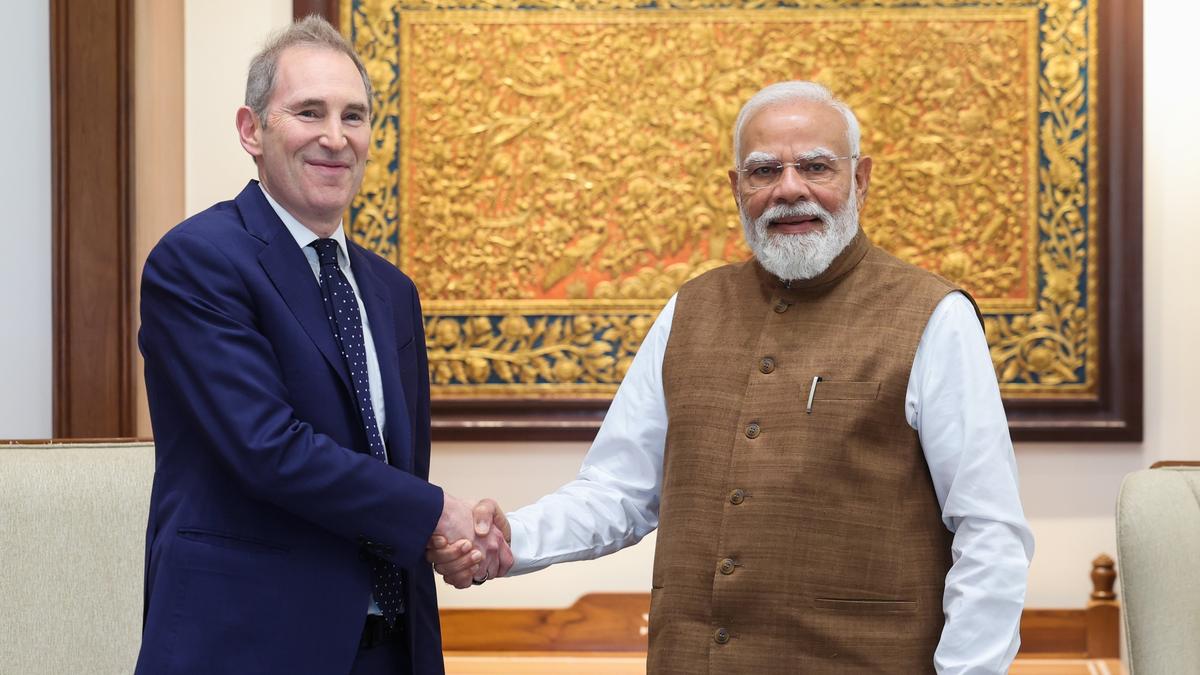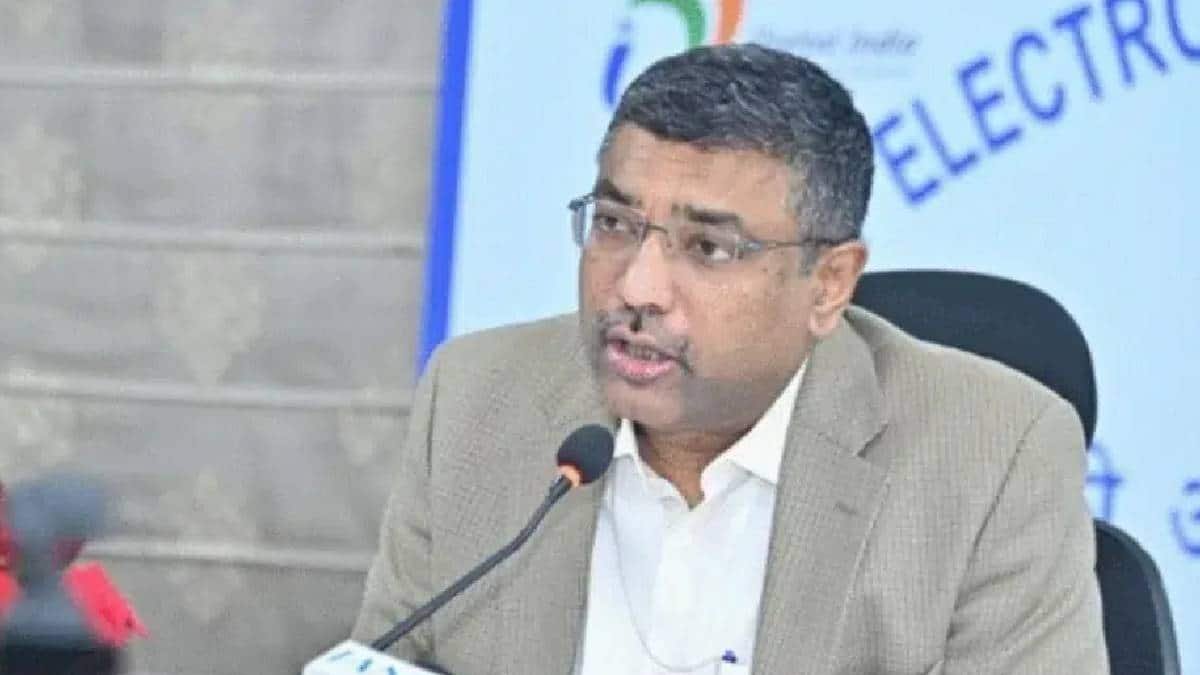
S. Krishnan, Secretary of the Ministry of Electronics and Information Technology (MeitY), on Thursday outlined the key discussions taking place between India and the United States on artificial intelligence collaboration, with a particular focus on ensuring reliable access to advanced AI models such as Anthropic’s Claude.
The discussions have centred on the need for long-term, uninterrupted access to frontier AI technologies. Krishnan stressed that as India increasingly integrates AI into its digital infrastructure and public services, access to critical technologies must remain stable and predictable.
As India explores partnerships around advanced AI models, the government is also seeking to reduce risks associated with dependence on any single technology provider. Officials have expressed concerns that geopolitical developments, export control regulations or commercial decisions could potentially disrupt access to foundational AI systems, affecting sectors that increasingly rely on them.
Referring to recent engagements with US officials, Krishnan said India sought clarity on Washington’s long-term approach to AI regulation and technology access, particularly in light of recent export control measures affecting some advanced AI models. According to him, the US government provided assurances that trusted partners would continue to have reliable access to key technologies in the future.
Beyond model access, the talks also focused on strengthening India-US cooperation across the broader technology ecosystem, including AI, semiconductors, data centres and digital infrastructure. Krishnan noted that both countries acknowledged that no single nation can independently build the entire AI stack and that international collaboration will be essential to sustain innovation.
Quick Reads
The game that lets players 'obliterate anything': Why Philippines blocked GoreBox
Anthropic accuses Alibaba of largest-known AI model theft attempt, cites 28.8 million Claude queries
He added that there was broad agreement on the need to build resilient and diversified global supply chains while reducing dependence on any single geography or source of supply. India, he said, is expected to play a much larger role in the global technology value chain as the AI ecosystem continues to expand.
According to Krishnan, future collaboration between the two countries could span multiple sectors, including manufacturing, agriculture, healthcare, education and governance. The broader objective, he said, is to create a secure, resilient and diversified AI ecosystem capable of supporting long-term innovation while safeguarding nations against disruptions in access to critical technologies.