As part of the restructure, about 60 editorial roles will also be created by Reach ‘to drive digital revenue growth’ at the group.
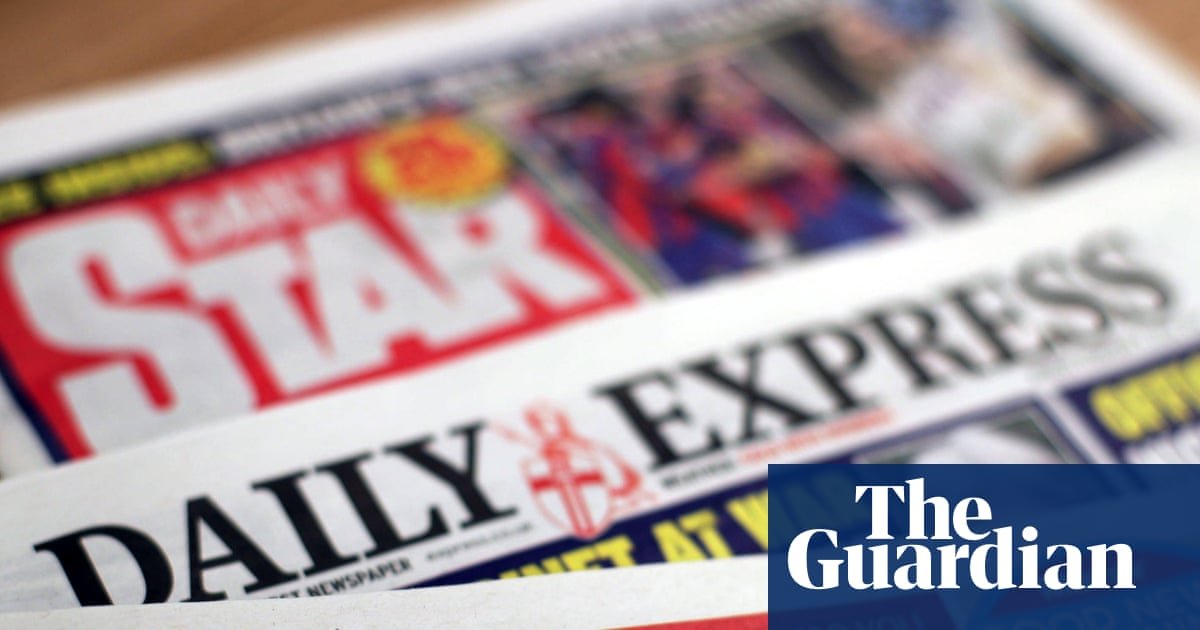
Reach, which also owns Express, makes decision because of ‘mammoth shift’ in how audiences seek out content The publisher of the Mirror and Express newspapers is to cut a further 220 editorial jobs as it adapts to a dramatic fall in online traffic while readers increasingly turn to summaries generated by artificial intelligence.
Reach, which also owns scores of online brands and regional titles including the Manchester Evening News, the Birmingham Mail and the Liverpool Echo, said the latest cuts were necessary to cope with a “mammoth shift” in how audiences seek out content.
The move represents the latest restructure by the publisher, which in September put 600 roles at risk and ended up cutting more than 300 editorial jobs.
Reach said on Wednesday it had taken the decision to close three of its online-only brands – KentLive, AberdeenLive and GalwayBeo – because they were failing to be the “dominant publisher” in their regions.
As part of the restructure, about 60 editorial roles will also be created “to drive digital revenue growth” at the group, which also owns the Daily Star and the Daily Record.
The company said earlier this year that a slump in overall digital page views had been driven by a 46% year-on-year decline in traffic from Google as features such as Google’s AI Mode and AI Overviews negate the need for readers to click through to its websites.
David Higgerson, the chief content officer at Reach, said in a note to staff on Wednesday: “We are in the middle of a mammoth shift in how audiences want content and journalism.
“To ensure a sustainable future for our journalism, we must focus our investment in the areas where our audiences spend the most time and where our revenue reflects the value of our work.
In our newsrooms, that means less emphasis on story volume and more on original journalism and distinctive brands.” As well as the slump in Google referrals, Higgerson blamed an “expansionist BBC”, which he said was mirroring the local output of commercial publishers “up to 70% of the time”.
He added that the 60 roles being created to drive digital revenues crucial to its future would be particularly focused on “subscriptions and in longer-form video”.
Digital revenues fell by almost 1% to £128.9m in the year to 3 March.
Reach, whose share price has plunged 90% over the past five years, has subscription offerings across six major titles.
It has 50,000 paid digital subscribers, with a target of 75,000 subscribers by the end of its current financial year. skip past newsletter promotion after newsletter promotion Higgerson also said Reach would move away from the traditional measure of audience engagement – page views – in favour of focusing on “active engaged time”.
He added: “Editors will also be carrying out changes specific to their titles, to ensure they reach as many people as possible through journalism which their brands will be famous for, and converting more people to become paying subscribers.” According to Reach’s latest annual report, the company employed 3,423 staff on average at the end of its latest financial year, with a wage bill of £208.5m.
Of these, 2,494 were classified as editorial and production employees.
Explore more on these topicsReach (formerly Trinity Mirror) National newspapers AI (artificial intelligence) Daily Mirror Job losses Daily Express Google news Share Reuse this content