As UK swelters in another heatwave, 50-minute Chris Packham film outlines threats to security, economy and health
MPs are calling on the UK government to host a televised national climate emergency briefing in response to what has been described as the most “insidious threat to our society”.
In November, in the “first-of-its-kind, national emergency briefing”, nine experts gave stark assessments in Westminster Hall of the scale of the changes needed to adapt the country to the rapidly changing climate and ecological landscape.
The team behind the event has since crowdfunded to produce the People’s Emergency Briefing, a 50-minute film outlining the urgent threats that climate and nature breakdown pose to food security, the economy and public health.
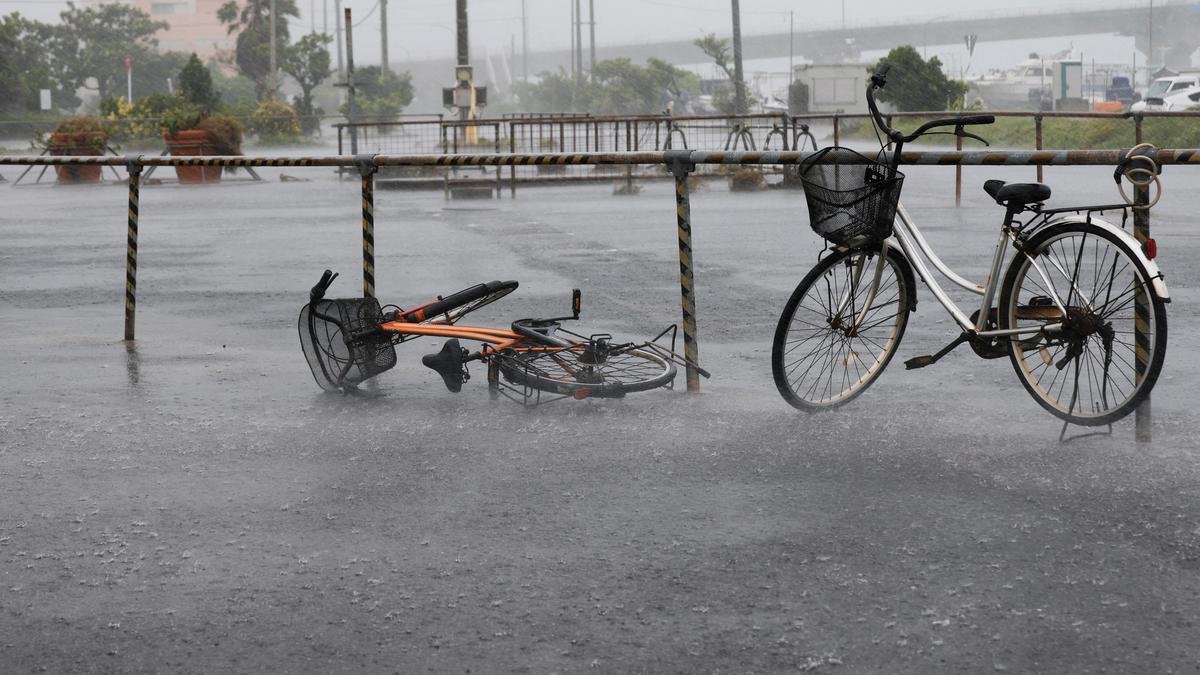
The call for a televised briefing comes as parts of the UK experience their third heatwave of the summer. In June, most of Europe sweltered in its worst ever heatwave that scientists said would have been impossible without the human-induced climate crisis. In summer 2022, more than 60,000 people died due to heat in Europe.
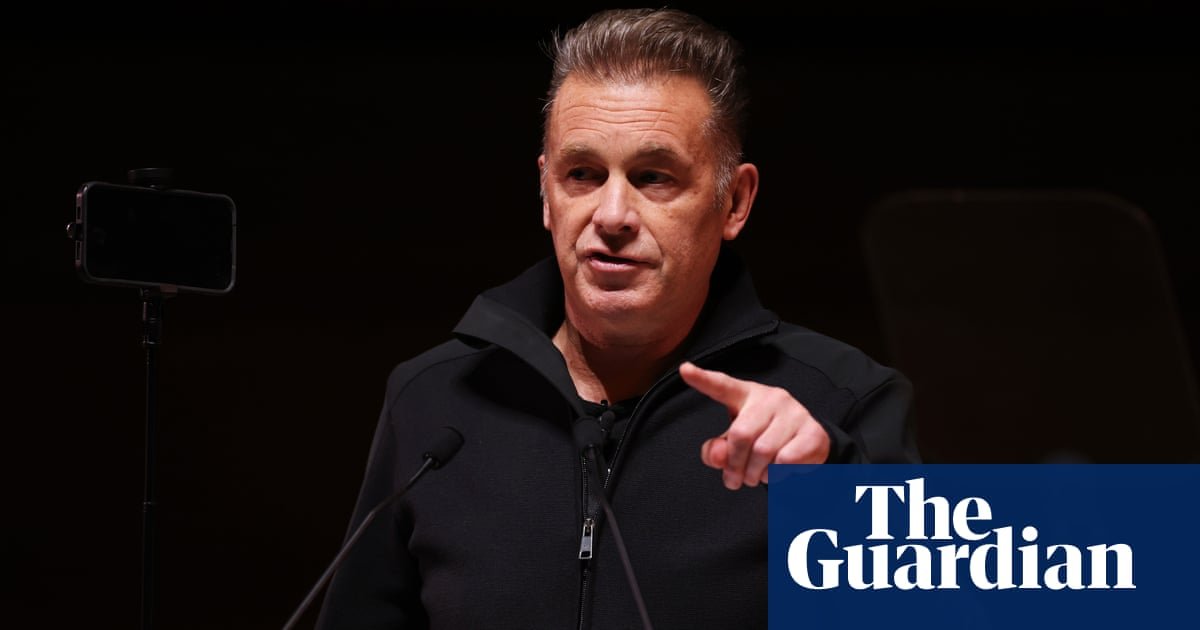
The film, hosted by the TV presenter and environmentalist Chris Packham, calls on the government to stage a prime-time, televised emergency briefing on the climate and nature crisis. So far, 91 cross-party MPs and peers and members of the UK’s devolved legislatures have signed a parliamentary call urging the government to host this briefing. Signatories include the peer Rosie Boycott and Tim Farron, a former leader of the Liberal Democrat party.
“I understand it’s human nature to prefer not to know, to try to bury our heads in the sand. But if we all take a breath and watch this together, well first of all that’s a huge relief and second we can figure out what to do about it,” Packham says at the start of the film.
Lt Gen Richard Nugee, a retired senior British Army officer, describes climate breakdown in the film as being the “most insidious threat to our society” which is putting the “very fabric of our society at risk”.
A recent report by senior UK national security officials warned the country was under severe threat from the climate crisis and the looming collapse of vital natural ecosystems, with food shortages and economic disaster potentially just years away.
The government did not respond to the Guardian’s request for comment on whether it will hold a televised briefing, but a spokesperson said the government already held an annual statement on the state of the climate, the second of which is planned for later this year.
In the first statement, last year, the energy secretary, Ed Miliband, outlined the work the government was doing in response to the climate and nature crises. He said the government had secured the largest investment in clean power in a generation and secured the largest flooding programme in history.
The Climate Change Committee has warned for more than a decade that the UK’s plans to protect people from rapidly worsening extreme weather are inadequate. The government’s advisers said an additional £11bn per year in spending, with about half coming from the private sector, was needed to adapt to the climate crisis.
Members of the public, businesses and community groups are being encouraged to host their own screenings of the People’s Emergency Briefing. More than 2,000 screenings of the film have either taken place or have been confirmed to take place so far.
The call for a televised emergency briefing has also been backed by a coalition of the UK’s large church denominations and Christian organisations.
The Right Rev Graham Usher, the bishop of Norwich and lead bishop for the environment in the Church of England, said: “We are the first generation to see the effects of climate change and the last that can do anything about it. The People’s Emergency Briefing is a wake-up call for all of us.
“The threat posed by climate change and loss of biodiversity dwarfs that of other crises and the public need to be informed so that together we can turn the situation around.”
Nick Oldridge, a co-founder of the National Emergency Briefing, said holding a televised briefing was the best way to get people to listen and act on the climate crisis.
“If you look at the history of climate communication, it’s commonly talking into a bubble of people who are really passionate,” he said. “The biggest challenge is breaking beyond that bubble. And there’s no better way than the leader of your country standing up and saying these risks are worse than we thought, they’re coming at us earlier than we anticipated, let’s get on the front foot and here’s our plan.”
He added: “We can speculate whether that will work or not, but it did work in Covid and we’ve got evidence of it.”