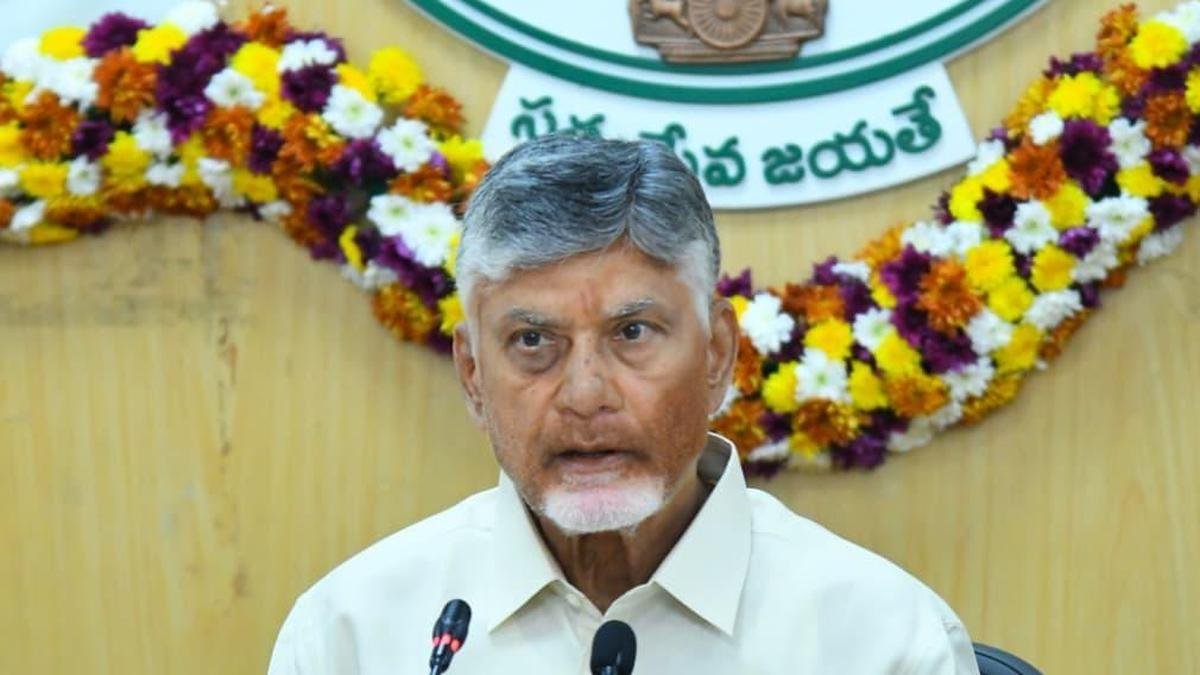
Chief Minister N. Chandrababu Naidu stated that Viability Gap Funding (VGF)-supported projects would play a pivotal role in driving future infrastructure development as the country has been undergoing an infrastructure revolution and stressed that Public-Private Partnership (PPP) projects offer the best opportunity to accelerate development across multiple sectors.
He directed the officials to place the AP Public-Private Partnership – VGF Policy 1.0 before the next Cabinet meeting and to issue detailed implementation guidelines at the earliest.
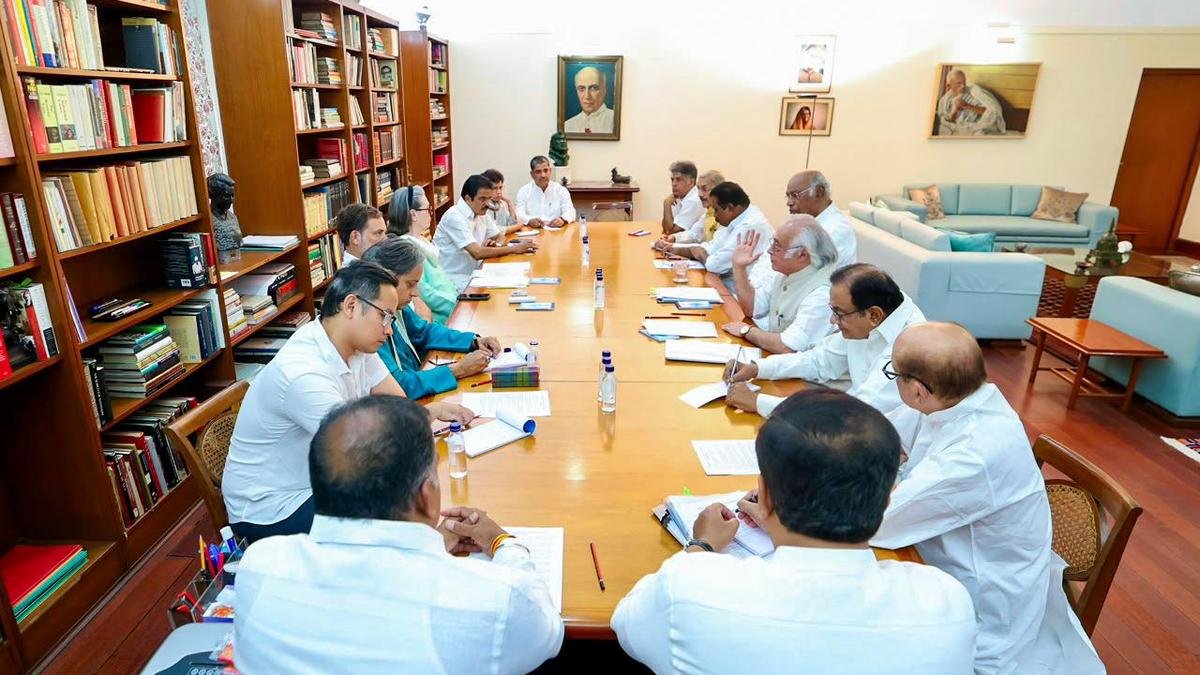
Addressing a review meeting on the status of PPP projects and government investments in them, at the Secretariat on Thursday, Mr. Naidu said all PPP projects should be developed as sustainable models with adequate opportunities for economic activity built into each one of them, and instructed officials to effectively leverage Central government support mechanisms such as the Urban Challenge Fund. He called for establishing an efficient institutional mechanism for managing ports, airports and other major infrastructure.
Officials said Andhra Pradesh was currently implementing projects worth ₹1,23,229 crore in industrial, infrastructure, urban development, tourism, solar power and other sectors.
Stake for fisherfolk
The Chief Minister directed that local fisherfolk be made stakeholders in coastal tourism projects so that they would directly benefit from such developments and instructed the officials to create better public infrastructure and economic activity zones around 21 major temples. He was told that the Centre has sanctioned ₹178 crore towards VGF for the waste-to-energy plants in Vijayawada and Tirupati and that VGF amounting to ₹1,468 crore was expected for medical colleges.
Further, Mr. Naidu instructed the officials to study various PPP frameworks being implemented by the Central government, to which the officials replied that the State could attract ₹8 lakh crore of investments annually through PPP projects mostly in the Visakhapatnam, Amaravati and Tirupati Economic Regions.