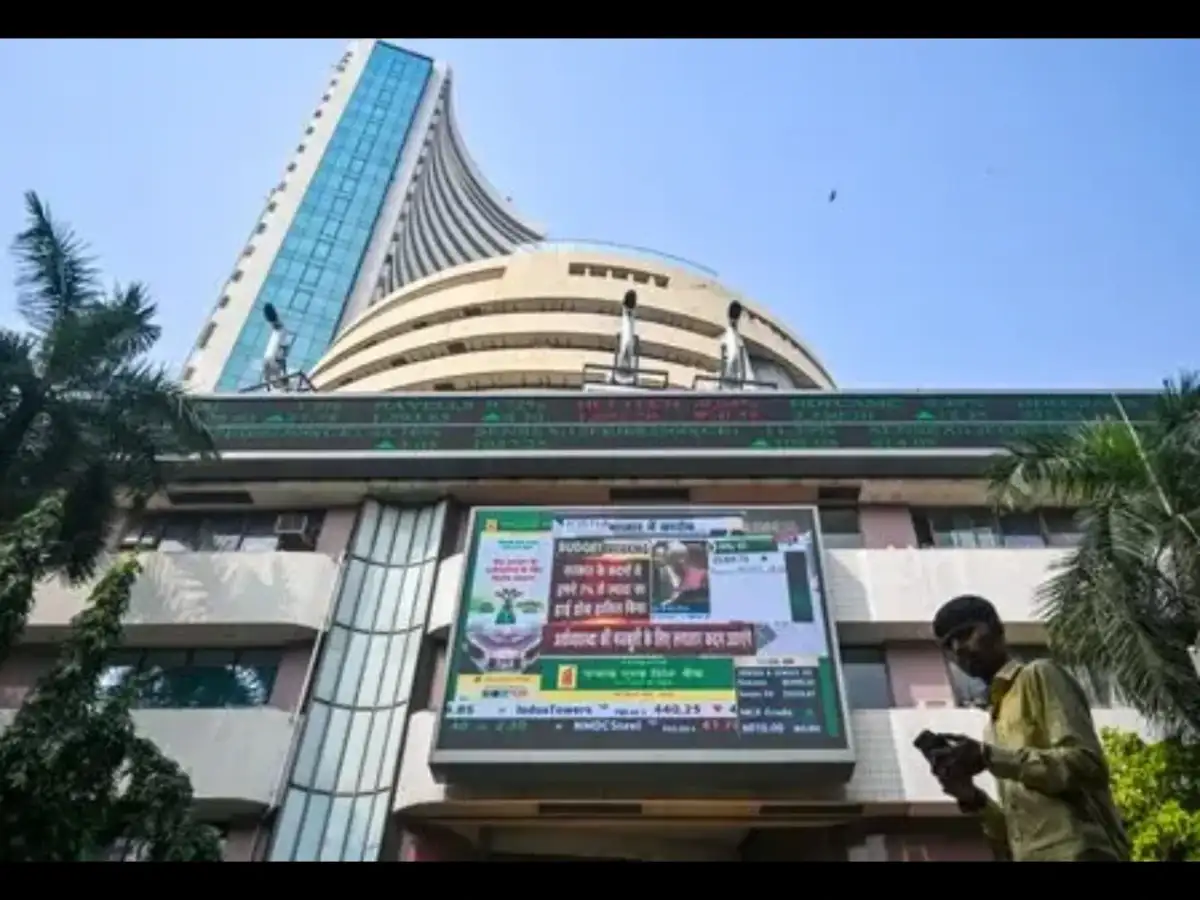
Since Sebi introduced the Closing Auction Session on August 3, expiry-day trading in Sensex derivatives has turned into a test of nerves for options traders. Across the first few expiry sessions under the new closing-price mechanism, the Sensex has seen sharp late moves during CAS, with the biggest shocks coming on August 27 and September 3. Together, these two sessions alone produced more than 6,000 points of reported intraday scare during the auction window, including a 2,000-point-plus fall on monthly expiry and a nearly 3,900-point two-way swing on the next weekly expiry.
The problem was mainly that the CAS-discovered closing price is also used to settle derivative contracts on expiry. That means a short burst of cash-market volatility in the final minutes can decide whether Sensex options expire worthless or suddenly become valuable.
August 6: First expiry test stays calmer
The first Sensex expiry after CAS went live was on August 6. The market was still adjusting to the new system, and traders were watching whether the auction window would create unusual volatility. That session did not produce the kind of extreme Sensex swing that later expiries saw. The calmer first instance suggested that CAS could work smoothly when order flow was balanced and market participation was broad enough.
August 13: Sebi flagged three spikes
The sharper warning came on August 13, another Sensex weekly options expiry day. Sebi later said its surveillance teams noticed abnormal spikes in the indicative equilibrium price of Sensex during the CAS window.
The reference price of the Sensex was 77,829.6 at 3:15 pm, while the CAS-discovered closing price was 78,080, rounded to 78,080 for settlement calculations. Sebi said there were three sharp spikes during the auction: a 362-point jump in two seconds, another 132-point move, and a 405-point rise in 28 seconds.
The regulator later passed an interim order against Copthall Mauritius Investment, a JPMorgan Chase entity, and Mansi Share and Stock Broking over alleged manipulative trades during the CAS window. Sebi said Copthall was the dominant buyer during the auction and accounted for 86.6% of gross buy value in Sensex constituents during CAS.
That episode made traders worry that thin auction liquidity could allow large orders to move the index close.
August 27: Monthly expiry shock
The biggest scare came on August 27, the first monthly derivatives expiry after CAS was introduced. The Sensex had traded above 77,100 for most of the day until 3:15 pm, but during the closing auction the index plunged from around 77,200 at 3:17 pm to nearly 74,983 at 3:23 pm before recovering part of the losses. The Sensex eventually closed 539 points, or 0.7%, lower at 76,934.
That more than 2,000-point collapse rattled traders because monthly expiry carries a wider impact than a normal weekly expiry. Stock futures, stock options and index contracts are all tied to the final settlement price. Under CAS, that settlement price depends on the auction-discovered close.
The move triggered strong criticism from traders on social media. The next day’s closing session was calmer, which suggested that the August 27 move may have been driven by expiry positioning and thin auction liquidity rather than a daily feature of CAS.
September 3: Puts explode as Sensex swings again
CAS concerns returned on September 3, another Sensex weekly expiry day. Reuters reported that the Sensex’s indicative close briefly showed a drop of about 2.5%, with the index slipping more than 2,100 points within minutes during CAS. It later recovered and closed 0.55% lower at 76,152.86.
Sensex saw a nearly 3,900-point two-way swing in about two minutes during the CAS window. Put options reacted sharply. According to reports, some Sensex put premiums jumped 400-500%, with the 76,400 put rising to Rs 247.05 from Rs 47.35 during CAS.
Why CAS is moving expiry risk
CAS was introduced to improve closing price discovery in the cash market. Under the system, continuous trading in eligible stocks ends at 3:15 pm and the closing price is discovered through an auction window. The method is used in many developed markets, but India’s problem is the size of the derivatives market compared with cash-market depth.
Analysts have pointed out that BSE has a much larger share in derivatives than in cash market volumes. When cash-market participation in the auction is thin, even limited large orders in Sensex constituents can move the indicative index close. That movement then flows into derivative settlement.
Sebi has now taken note of the issue. On September 3, the regulator said it would review the methodology for determining settlement prices of derivative contracts in light of the CAS rollout. It said a significant area of feedback related to derivative settlement prices being based on the closing price determined through CAS. A consultation paper is expected in about a week.