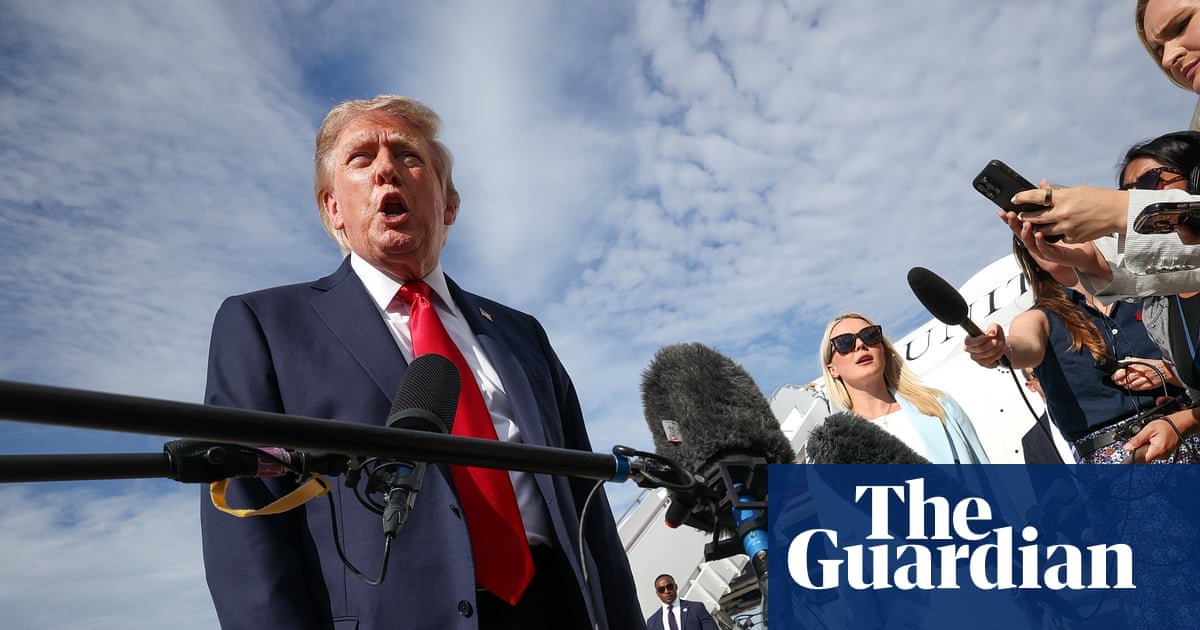
OpenAI denied Apple’s allegations of trade secret theft on Monday, saying the iPhone maker failed to show any confidential information was stolen by former employees.
“This dispute is a mess of Apple’s own making, and it is trying to blame everyone else,” OpenAI said in a filing late Monday in U.S.
District Court in San Jose, California.
Apple CEO Tim Cook gives nod to founder Steve Jobs in final memo Apple sued OpenAI and former Apple employees Tang Tan and Chang Liu in July, accusing them of misappropriating trade secrets related to hardware design, manufacturing and supply-chain operations as the ChatGPT maker pushes into consumer devices.
The AI lab, led by CEO Sam Altman, contends Apple is using the lawsuit to slow a potential competitor and discourage employee departures.
OpenAI has hired roughly 400 employees from Apple for its hardware initiative, the two companies have written in court filings.
Apple sets September 9 date for next iPhone launch event California law allows employees to freely move between rivals, OpenAI said.
The lawsuit represented a dramatic escalation of tensions between the two companies, which just two years ago forged a partnership intended to boost ChatGPT’s reach and help Apple gain a firmer footing in AI.
But the relationship quickly soured as competition in the AI industry intensified.
Apple said Tan and Liu both accessed internal Apple files after they left the company.
OpenAI said on Monday that Apple encourages its employees to use personal iCloud accounts to access Apple work documents and perform their work functions, making it difficult for departing employees to separate personal and company information.
John Ternus to lead Apple into the age of AI OpenAI said Apple’s policy of immediately escorting departing employees from its premises does not give them enough time to return company devices, transfer internal files back to the company or hand over responsibilities.
In the filing, Liu said any access to Apple documents after his departure was done to help former Apple colleagues locate files or answer questions related to Apple work.
He said Apple employees repeatedly contacted him for assistance after he left.
Tan, who spent 24 years at Apple, said he returned Apple prototypes before departing and only retained non-confidential materials, including an employee departure checklist that was not confidential.
Employees “can leave a company like Apple that has struggled to adopt AI and move to an exciting startup that builds innovative products,” OpenAI wrote.
“Apple may not like those choices.
But it cannot claim those choices are unlawful, and it cannot use its own sloppy procedures to blame others for its own mess.”