The Reserve Bank of India (RBI) will enable interoperability among Non-Banking Finance Company account aggregators (NBFC-AAs), allowing individuals to access information on their financial assets through a single platform.
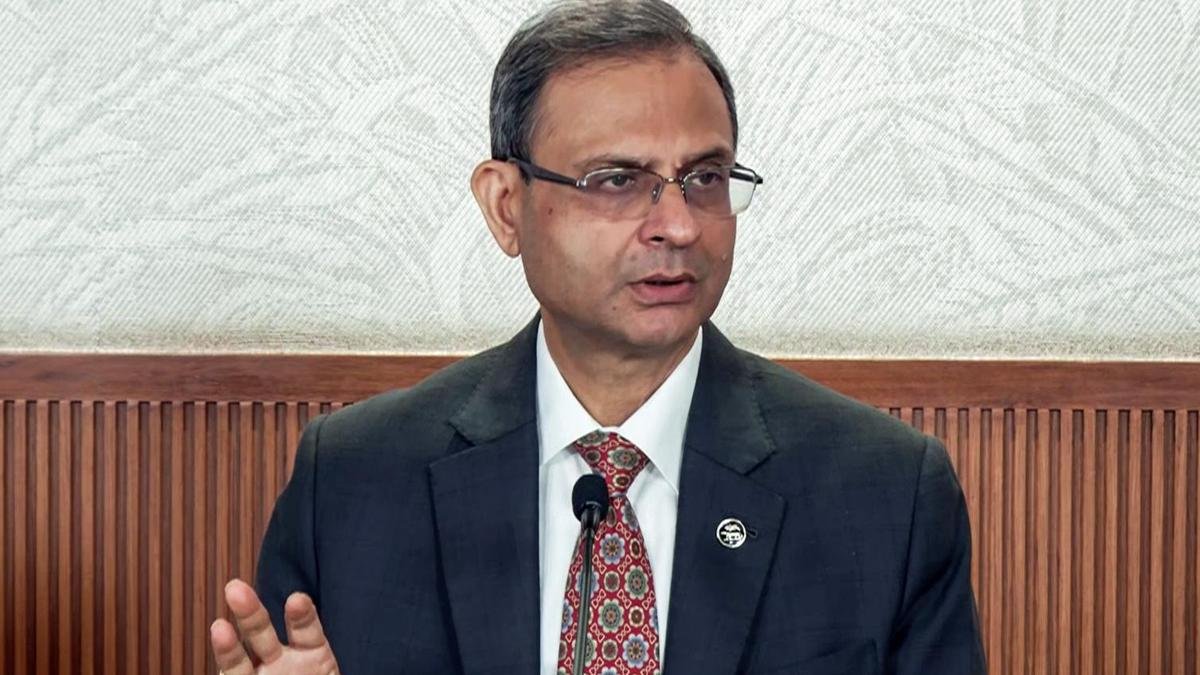
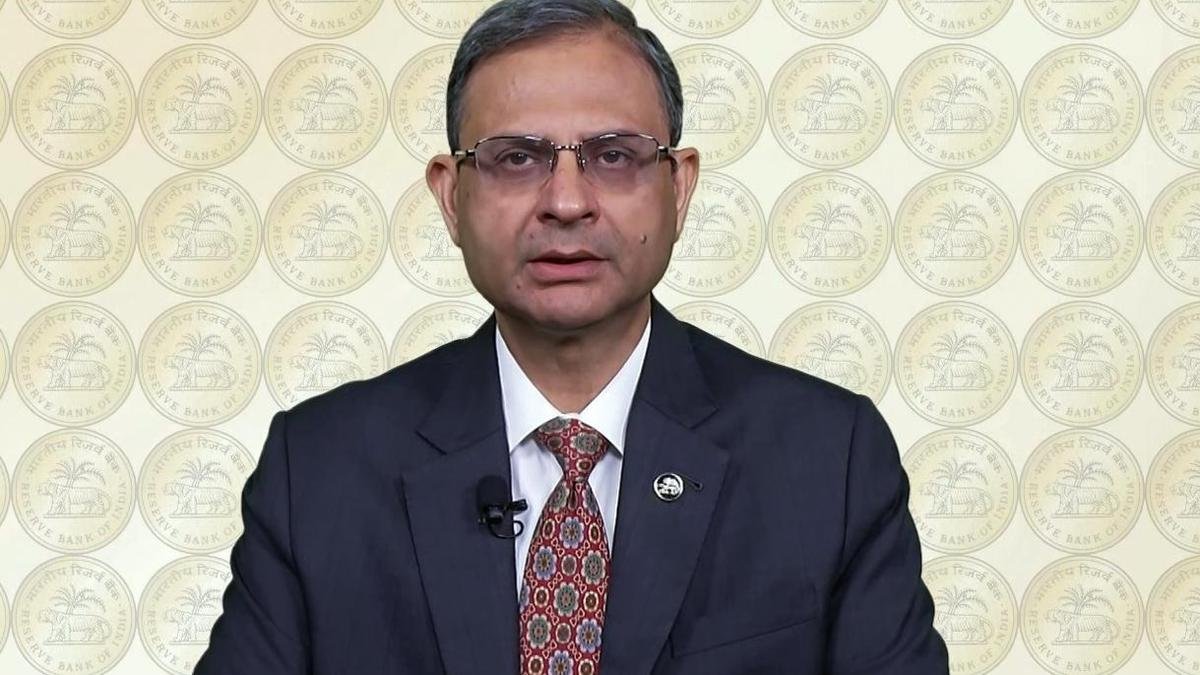
The framework will be implemented by December 31, 2026, RBI Governor Sanjay Malhotra said while announcing additional measures alongside the monetary policy statement.
The RBI will also facilitate Securities and Exchange Board of India (SEBI)-regulated depositories to include bank deposit information in consolidated account statements (CAS), Mr.
Malhotra said.
RBI raises repo rate by 25 basis points to 5.50%, shifts stance to ‘calibrated tightening’ “Account aggregator will give you an overview of all your financial assets,” he said, noting that information is currently fragmented across about 15 AAs.
Interoperability would allow the information to be integrated, giving individuals a consolidated view of their financial assets.
With customer consent, the data could also be accessed by insurance brokers, asset managers and investment advisers, enabling them to offer more informed financial advice, he said.
Mr.
Malhotra said CAS currently does not include bank deposits, leaving a significant gap in an individual’s consolidated financial picture.
The RBI will facilitate the inclusion of deposit information from banks already onboarded on the system, with other banks to be brought in over time.
SEBI to partly reverse derivative settlement rules after pushback, sources say The move is also expected to help in tracking dormant bank deposits, particularly after the death of an account holder.
A consolidated view of financial assets could make it easier for families to identify such assets, Mr.
The interoperability push could also strengthen the use of financial data for credit assessment.
Umesh Revankar, executive vice-chairman of Shriram Finance Ltd, said the reform would facilitate easier sharing of financial information, deepen cash-flow-based underwriting and bring more first-time borrowers into formal credit.
“From this position of strength, we will keep driving credit inclusion deeper into semi-urban and rural India, for the small truck operator, the rural entrepreneur and the MSME borrower who power India’s growth,” Mr.
Revankar said.