The 2026 budget has been revealed; how will it affect you personally, will it change the country and has chancellor John Healey done enough to prepare for the challenges ahead? Our money and economics editors Hilary Osborne and Heather Stewart are on line now answering your questions
Sign up or sign in to join the discussion. Post your questions in the comments below.
nowWhy isn't the payment going direct to energy suppliers?
3m agoWhat is happening regarding green energy for homeowners?
7m agoWhy no reform of Council Tax?
11m agoHow does the extra 2% tax on savings interest affect the starting rate for savings?
17m agoWhat is going to stop landlord just transferring their tax increase onto tenants?
25m agoWould Labour have been elected if they campaigned on higher income taxes?
33m agoIsn’t the £100 handout just giving tax payers money to the energy companies but using customers as a conduit?
41m agoWhy has the Chancellor left the very wealthiest untouched?
49m agoWill customers not on mains gas benefit from the standing charge removal?
1h agoWhy the opposition to lifting the tax threshold?
1h agoIs there anything in this budget for young working people?
1h agoIs this budget really just a sticking plaster?
1h agoHilary and Heather are live
8h agoWelcome to the conversation

Hilary and Heather are online now answering your 2026 budget questions
manicmid asks: Why isn’t the £100 payment being paid direct to energy suppliers like the previous £300 energy support?
I guess it’s because there is the council tax band qualifying criteria this time but it does mean the £100 could be spent on anything else rather than energy bills?
Heather says: Yes, according to John Healey the £100 is being paid straight into consumers’ bank accounts, so presumably you can spend it on whatever you like - much like Winter Fuel Allowance, which could equally be spent on a night out in the pub. I’m not sure why they’re doing it this way: but my hunch is they think it will be more likely to be noticed, and credited to the government, than a discount on a bill that will still be rising.
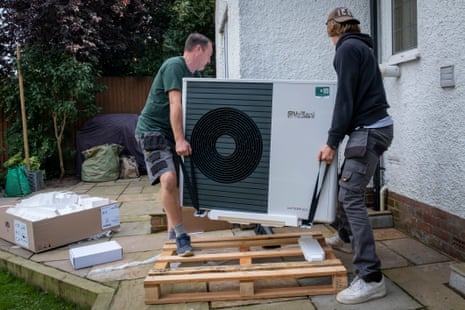
Flipchart45 asks: There was a lot of pre-budget speculation about reducing or abolishing grants for heat-pumps. I haven’t seen any detail of this in the budget information I’ve read. Could anyone enlighten me on what is happening regarding green energy for homeowners?
Hilary says: You’re right, and the good news for homeowners planning green upgrades was that things were not as bad as anticipated. Funding for the boiler upgrade scheme was supposed to go up to £600m, but is being kept at £400m. Grants remain the same though, so you can still apply for £7,500 towards a heat pump (or £9,000 if you’re not on mains gas). A new loan scheme was also announced, offering households low or no-interest borrowing to pay for improvements such as heat pumps, batteries and solar panels. The loan and the grant can be combined.
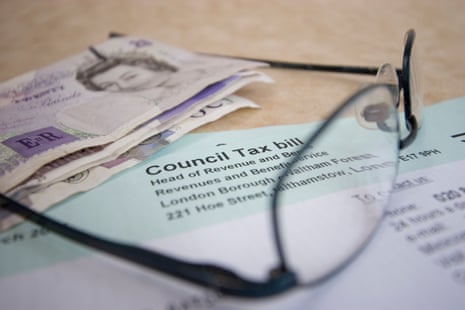
jonny2bad asks: Is there any reason, technical or otherwise, why reform of Council Tax is completely off the table? It seems that it would be a sure fire win if such an announcement was made as it demonstrates a desire for progressive changes which directly reduce inequality. Of course there would be costs involved but I am baffled why this topic does not even register with the government’s business.
Heather says: I don’t think there’s any technical reason, it’s all about the politics. It would be likely to mean significantly higher bills for people in more valuable properties - no doubt leading to a noisy backlash, including highlighting the cases of people with high-value homes but smaller incomes (pensioners for example). Another objection used to be the difficulties of doing a revaluation, but online data would surely make that much easier today. So it’s all about having the political courage to make the argument. It would help tackle inequality, as you rightly say; but it would also have losers, of course.
andya2015 asks: How does the extra 2% tax on savings interest affect the starting rate for savings which allows you to earn up to £5,000 in interest income tax-free assuming your other taxable income (like wages or pension) is low (below £17,570)?
I assume you don’t pay the extra 2% if the starting rate for savings covers all of your interest income?
Also, I assume the extra 2% is only levied on interest income in excess of your personal savings allowance of either £500 or £1000?
Hilary says: The new savings tax rate will only be applied to interest you are earning after you’ve used up all the allowances you are eligible for - that includes the £20,000 you can put in an Isa each tax year, and your personal savings allowance. The personal savings allowance is £1,000 a year for basic rate taxpayers, and £500 for higher-rate payers, and £0 for additional rate payers - that’s how much interest you can earn without paying tax. The starting rate, as you mention, gives you an extra £5,000 allowance if you are on a low income Again, this will be applied before you are charged any tax. If you combine the Isa with your personal savings allowance, as a basic-rate tax payer you can save about £45,000 at an interest rate of 4% without facing the new charge.
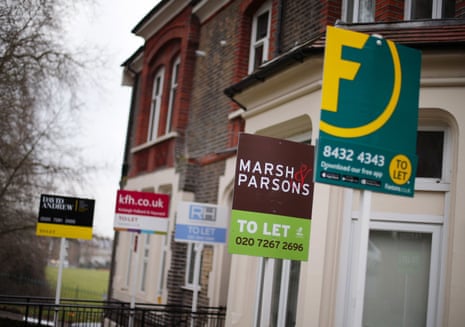
FelonMarmer asks: What is going to stop landlords just transferring their tax increase onto tenants, while complaining about how hard done by they are?
Heather says: Unfortunately, there’s nothing to stop landlords passing their higher tax bills onto their tenants, aside from what the local rental market will bear. Indeed, the Office for Budget Responsibility did suggest one result of this and other recent policies (the 2p rise this year followed another 2p last year) could be “a steady rise in rents,” as some landlords whack up rents and others leave the market altogether. I think John Healey’s answer would probably be a fairness one - that income made through renting out property should be taxed more heavily than that earned through work.
manicmid asks: This budget was always going to consist of multiple instances of tinkering around the edges and deferring big unpopular choices.
Labour sealed that position by sticking to their previous manifesto that removed rises on the biggest revenue raisers such as income tax.
However, would Labour have been elected if they campaigned on higher income taxes?
Heather says: That’s a really good question: Labour strategists are adamant that they wouldn’t. I can’t help thinking that voters were so convinced the public services were in a dire state, they could have accepted the argument that taxes needed to rise. Certainly, the Tories didn’t seem to get much electoral credit for Jeremy Hunt’s desperate cuts to national insurance contributions in his last couple of Budgets. But we’ll never know. Another question is whether Labour should have bust the manifesto promises - either when they first got in, on the basis the public finances were worse than they thought; or at some point in the last year, given the impact of the Iran war (which has added £14bn to the government’s interest costs this year alone).
Heather says: That’s a really good question: Labour strategists are adamant that they wouldn’t. I can’t help thinking that voters were so convinced the public services were in a dire state, they could have accepted the argument that taxes needed to rise. Certainly, the Tories didn’t seem to get much electoral credit for Jeremy Hunt’s desperate cuts to national insurance contributions in his last couple of Budgets. But we’ll never know.
Another question is whether Labour should have bust the manifesto promises - either when they first got in, on the basis the public finances were worse than they thought; or at some point in the last year, given the impact of the Iran war (which has added £14bn to the government’s interest costs this year alone).
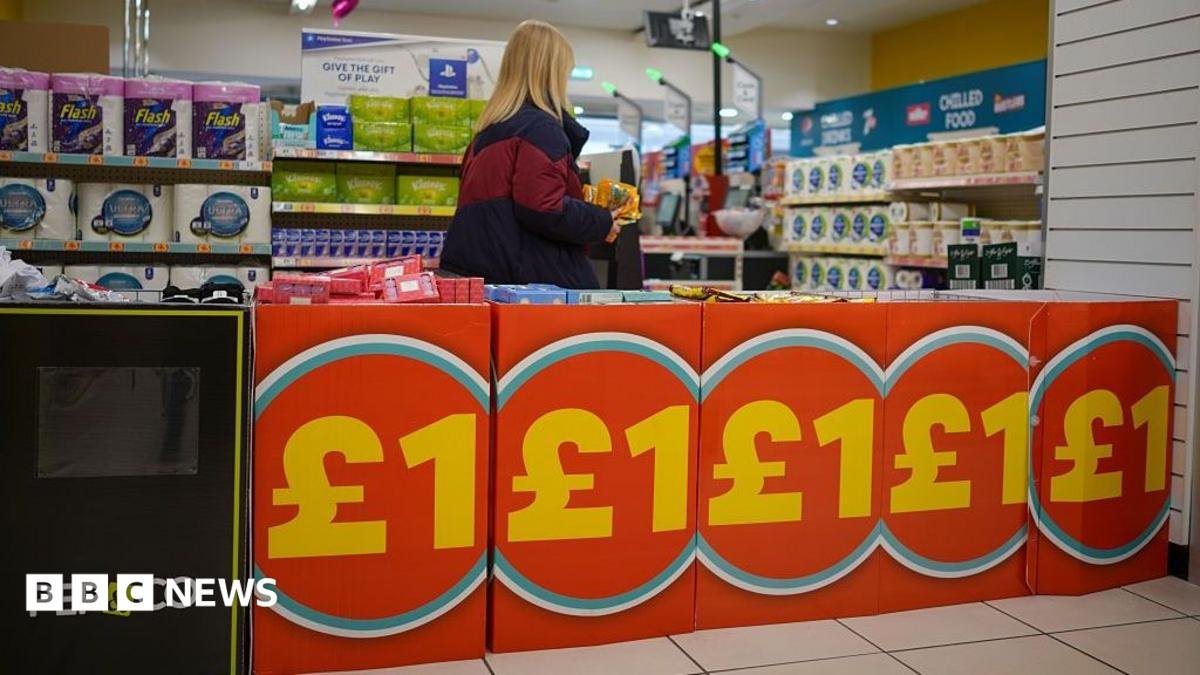
Takemetoyourleader asks: I am as always willing to admit my ignorance regarding economics, but isn’t the £100 handout rather like giving tax payers money to the energy companies but using customers as a conduit? It doesn’t solve the problem. It just buys ten days’ energy.
Heather says: Well John Healey’s not going to tell you how to spend your £100, so I suppose you could blow it on the horses instead - but yes, we can’t really get away from the fact that higher energy prices make the UK, an energy importer, poorer – hence the government’s rhetoric of, we can’t offset this completely but we’ll try and help you out a bit. He could of course have decided to go a little, or a lot, further: taxing banks more heavily for example to fund a more generous package. He has also announced some longer-term changes aimed at bringing down energy costs to insulate us better from future shocks; but these look unlikely to bear fruit for a long time.
Heather says: Well John Healey’s not going to tell you how to spend your £100, so I suppose you could blow it on the horses instead - but yes, we can’t really get away from the fact that higher energy prices make the UK, an energy importer, poorer – hence the government’s rhetoric of, we can’t offset this completely but we’ll try and help you out a bit.
He could of course have decided to go a little, or a lot, further: taxing banks more heavily for example to fund a more generous package. He has also announced some longer-term changes aimed at bringing down energy costs to insulate us better from future shocks; but these look unlikely to bear fruit for a long time.
JakeAtkinson asks: Why has the Chancellor left the very wealthiest untouched? Take the increase in the bank surcharge - why is it only temporary? It also leaves billions on the table compared to proposals for a windfall tax on the banks’ domestic UK retail income; meanwhile they continue to make excessive profits - news today is that Lloyds pre-tax profits have almost doubled.
Also Capital Gains Tax wasn’t reform to tax income from wealth equally as income from work, with an investment allowance to account for inflation and reforms to the base, this equalisation could raise £19 billion a year too.
Lots left on the table by not taxing wealth.
Heather says: There’s certainly an argument that more could be raised by a proportional tax on wealth - though the most straightforward way squeeze more from the super rich is probably, as you say, an overhaul of capital gains tax. That would have to include closing various loopholes, so raising the rate didn’t result in massive avoidance; but plenty of experts argue that it’s feasible to do that - including at the Institute for Fiscal Studies (IFS) and CenTax, at Warwick University. I think Labour have repeatedly been scared off this, because they don’t want to send out the wrong vibes to global investors - but I agree with you it’s a shame they haven’t just cracked on with it. When it comes to the bank tax, I imagine the Treasury was lobbied hard by the sector, and warned that they would pass on the costs to customers in higher interest rates - but they could have been bolder, and perhaps made the change longer-lasting too.
Heather says: There’s certainly an argument that more could be raised by a proportional tax on wealth - though the most straightforward way squeeze more from the super rich is probably, as you say, an overhaul of capital gains tax. That would have to include closing various loopholes, so raising the rate didn’t result in massive avoidance; but plenty of experts argue that it’s feasible to do that - including at the Institute for Fiscal Studies (IFS) and CenTax, at Warwick University. I think Labour have repeatedly been scared off this, because they don’t want to send out the wrong vibes to global investors - but I agree with you it’s a shame they haven’t just cracked on with it.
When it comes to the bank tax, I imagine the Treasury was lobbied hard by the sector, and warned that they would pass on the costs to customers in higher interest rates - but they could have been bolder, and perhaps made the change longer-lasting too.
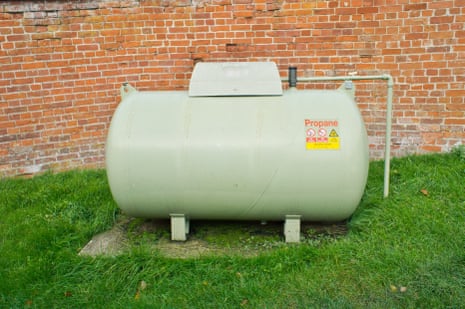
DrJWCC asks: For those of us who live out in the wilds, who are not on mains gas (as in, LPG tanks) will we benefit from standing charge removal? I’m assuming not.
Hilary says: I’m afraid the standing charge removal will not help you, but some of the other measures will hopefully reduce your overall energy bills. The extension of the VAT cut on energy will be for everyone, so that’s about £50 off your annual costs. If you live in council tax bands A-D you will get the £100 payment in January. And there are some measures targeted at people who are not on mains gas. Tariffs on kerosene are being scrapped for two years, which should reduce costs for those who rely on heating oil, and the boiler upgrade scheme was left untouched. The scheme offers £9,000 to homeowners in England and Wales who want to install a heatpump.
Guardiangirl66 asks: Why are governments so stubbornly opposed to lifting the basic tax threshold? They adjust them to fit some people affected by fiscal drag but not others, which can’t be cheap to implement and it isn’t fair either.
Tax thresholds need to be universally applied in each band, and be simple and crystal clear. Some tapering is overdue to avoid cliff edges and high marginal tax rates but it must be for everyone.
Heather says: If you mean the basic rate threshold, it did rise repeatedly from 2010-2020, starting under the Conservative/LibDem coalition, to 44% of average earnings - but yes it’s been frozen for quite a while since, so it kicks in at about 34% of average earnings now. I think the Labour objection to raising it further would be that it’s not a very progressive way of making a tax cut, because it’s set so high already (£12,570) that the lowest earners already don’t pay tax and so wouldn’t benefit from further rises. Completely agree re complicated tweaks to the system, though - the simpler and clearer it is, the better.
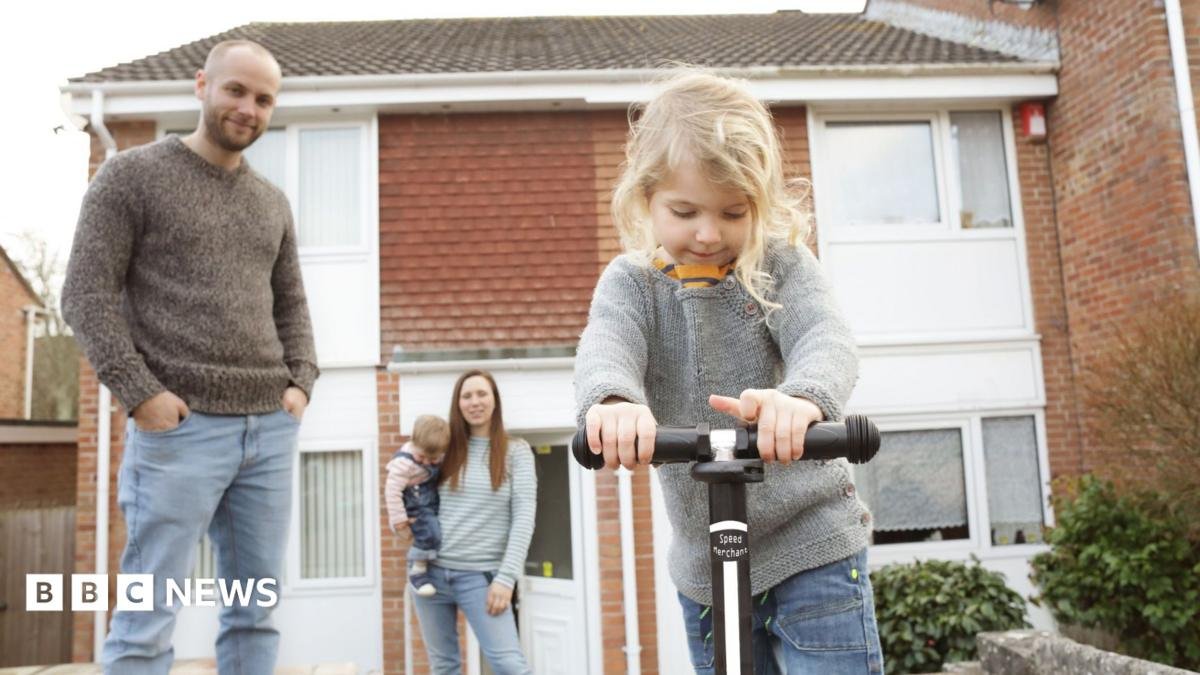
southlondon1 asks: Is there anything in this budget for young working people? I’m 27, renting a 1 bed with my partner in London, and barely earn enough money to save £50 a month, let alone save for a house. I feel like yet again the government are leaving out people like me who are nowhere near buying a house, have no children (and couldn’t afford it anyway) and our rent costs half our salary. £100 doesn’t really provide any breathing space.
Hilary says: The main measure for young renters was the Your First Home scheme, which will mean you can think about buying a property when you have a deposit of 2.5%, but in London if you can only save £50 a month that is likely to feel a long way off. Unfortunately there was not much else that’s immediately going to help you. The thresholds for student loan repayments and income tax remain the same, so if you get a pay rise you will see your take home pay go up by less than had these risen in line with inflation. The £100 energy payment comes alongside the removal of VAT on your electricity bills, and the planned removal of the standing charge on gas, so that’s a bit more money you will keep. However, with energy prices looking set to rise in January it’s likely you will still see your bills rise.
Hilary says: The main measure for young renters was the Your First Home scheme, which will mean you can think about buying a property when you have a deposit of 2.5%, but in London if you can only save £50 a month that is likely to feel a long way off. Unfortunately there was not much else that’s immediately going to help you.
The thresholds for student loan repayments and income tax remain the same, so if you get a pay rise you will see your take home pay go up by less than had these risen in line with inflation. The £100 energy payment comes alongside the removal of VAT on your electricity bills, and the planned removal of the standing charge on gas, so that’s a bit more money you will keep. However, with energy prices looking set to rise in January it’s likely you will still see your bills rise.

CordTrousers asks: Diesel is still at £1.99 a litre at our local station. That means inflation is going to remain elevated, as it feeds through to more everyday commodities there is going to be building pressure for wage increases ... Which will fuel inflation some more. After the midterms, it looks likely Trump will renew his attacks on Iran. A light touch budget like this then, feels a temporary measure. Really there’s nothing the UK can do but tighten its belt when we have such a constraint on fuel supply, is there?
Heather says: You’re absolutely right that as an energy-importing country, it’s just a fact that a crisis like the one we’re going through makes us poorer. So I think John Healey’s message that the government can’t completely insulate consumers, but want to do a bit to help, is probably the right one. But whether he’s done enough remains to be seen - inflation is set to rise further, as you say, and the Bank of England is likely to raise interest rates next week, so that £100 cost of living payment might not look so generous by the New Year. Obviously the government is hoping the Iran conflict will subside, which might allow oil prices to fall, and the economy to bounce back (GDP growth was actually pretty strong in the first half of this year). Time will tell.
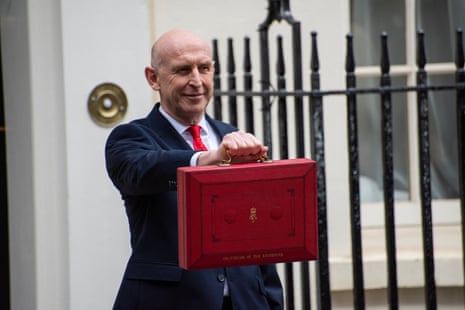
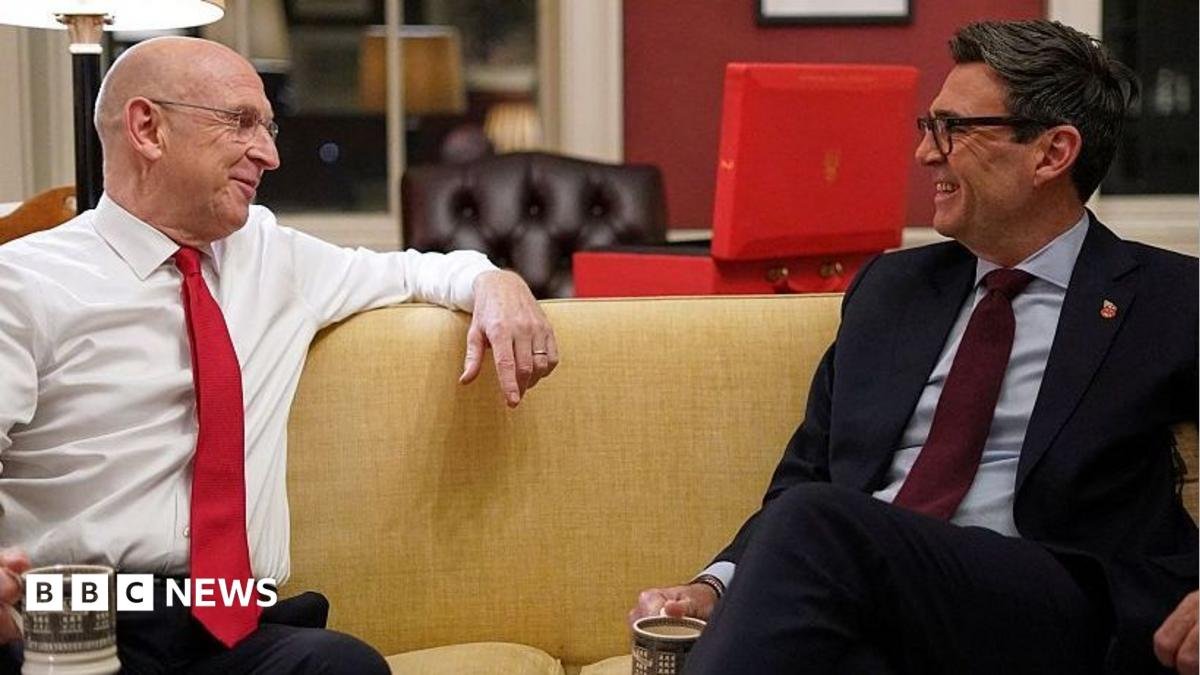
Yesterday Chancellor John Healey gave his maiden budget under Andy Burnham’s leadership, announcing measures to cut energy bills funded by a windfall tax on banks. He characterised his plan as “a budget built on fiscal discipline” fit to face “global economic storms” that are driving up up energy prices.
Does Healey’s budget represent a break with the past, or is the lower-than-expected tax on banks just another example of tinkering around the edges by another Chancellor fenced in by self-imposed fiscal rules?
Hilary Osborne, the Guardian’s money and consumer editor will be joining economics editor Heather Stewart from 3pm (GMT) today to answer your questions on the outlook for our economy.