BRC says confidence in economy hits highest level since the lows reached at start of Iran war
9m agoIntroduction: Rising UK consumer confidence gives Andy Burnham 'golden opportunity,' survey says

At the same time, new figures revealed that US debt had reached $40tn for the first time, the US treasury department said, after the government deficit doubled over the last decade.
The milestone marks years of government spending that grew under both Trump and Joe Biden. During his first term, Trump approved $8.4tn worth of debt, with a huge chunk going to Covid-19 relief spending, while Biden approved $4.3tn worth of debt, according to the Committee for a Responsible Federal Budget.
Good morning, and welcome to our rolling coverage of the global economy, the financial markets, the eurozone and business.
Consumer confidence has increased in the UK, giving new prime minister Andy Burnham a “golden opportunity”.
A survey conducted by Opinium for the British Retail Consortium showed consumer expectations for the next three months have improved.
The state of the economy improved to -28 in August, up from -36 in July.
Their personal financial situation improved to -9 in August, up from -12 in July.
Their personal spending on retail rose to +8 in August, up from +1 in July.
Their personal spending overall increased slightly to +15 in August, up from +13 in July.
Their personal saving fell slightly to -5 in August, from -4 in July.
Helen Dickinson, the BRC’s chief executive, said:
Consumer sentiment continued to rise with confidence in the economy hitting its highest level since the historical lows reached at the start of the Iran conflict. Expectations for personal finances saw a small improvement, driven by an optimistic Gen Z. This same generation also reported a bump in spending plans, as the stifling summer heatwaves are expected to give way to more shopping-friendly temperatures in much of the country. The Burnham administration is enjoying a honeymoon boost driven by less pessimism about the outlook, but maintaining that momentum will depend on whether the Government can ease the pressure on household budgets. Retailers compete fiercely to keep the cost of food and essentials down, yet mounting regulatory and tax burdens risk pushing prices higher. The Budget will be the acid test of this government’s real commitment to growth: if the government can reduce retail business costs, from energy bills to business rates, it will be ordinary households who feel the benefit. A Budget that backs retail and reduces costs is a pro-consumer Budget.
Consumer sentiment continued to rise with confidence in the economy hitting its highest level since the historical lows reached at the start of the Iran conflict. Expectations for personal finances saw a small improvement, driven by an optimistic Gen Z. This same generation also reported a bump in spending plans, as the stifling summer heatwaves are expected to give way to more shopping-friendly temperatures in much of the country.
The Burnham administration is enjoying a honeymoon boost driven by less pessimism about the outlook, but maintaining that momentum will depend on whether the Government can ease the pressure on household budgets. Retailers compete fiercely to keep the cost of food and essentials down, yet mounting regulatory and tax burdens risk pushing prices higher. The Budget will be the acid test of this government’s real commitment to growth: if the government can reduce retail business costs, from energy bills to business rates, it will be ordinary households who feel the benefit. A Budget that backs retail and reduces costs is a pro-consumer Budget.
Crude oil is up slightly again this morning, after an uneasy ceasefire between the US and Iran expired on Monday, and Donald Trump said on Wednesday that there were no talks with Tehran. Brent crude has risen 0.27% to $91.87 a barrel.
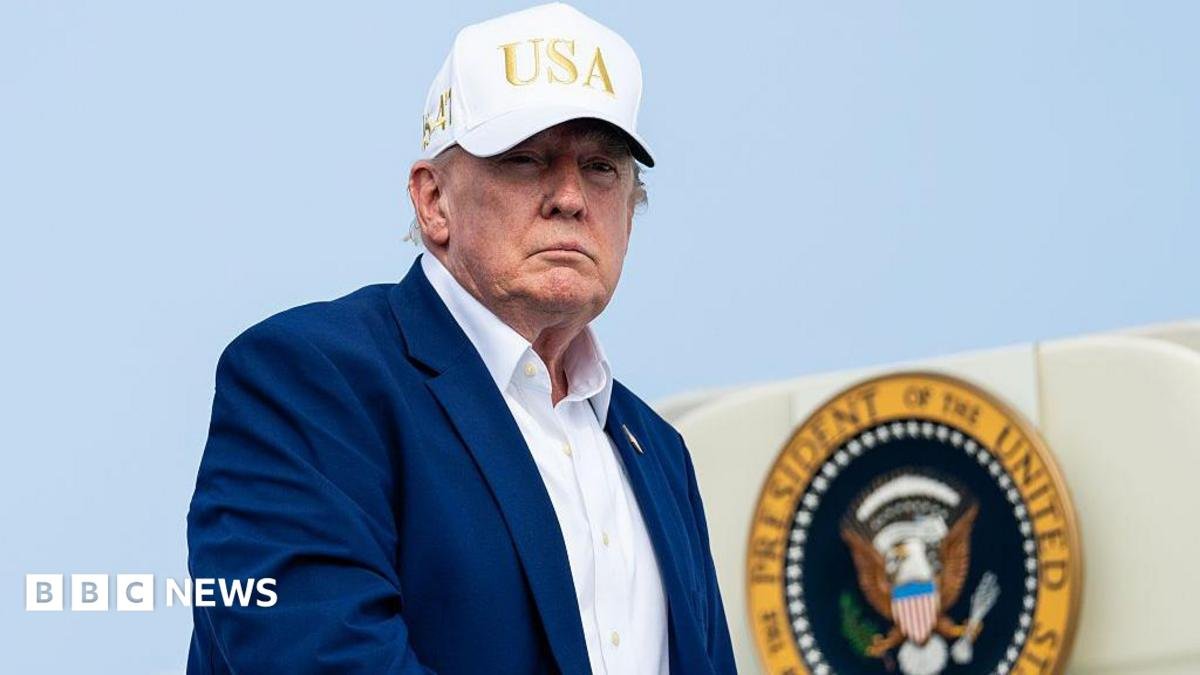
The US president has announced a new campaign to isolate Iran’s economy, threatening “tremendous economic consequences” on any country that helps or does business with Tehran, a move that could set up a fresh confrontation with China if implemented.
The US dollar is trading at three-month lows after the Treasury Department moved to calm a bond market rout that pushed 30-year yields to their highest levels since 2007.
The dollar index, which measures the US currency against six other major currencies, dipped 0.02% to 98.799, around its lowest level since mid-May. The euro is trading at $1.1679, its highest level since late May.
The yield, or interest rate, on the 30-year US government bond is at 5.189%, after it jumped to 5.337% at the start of the week, prompting US Treasury secretary Scott Bessent to step in with the announcement that debt repurchases will “at least” double.
And gold has retreated, dipping 0.6% to $4,493.49 an ounce after jumping 4% on Wednesday to the highest in more than two months.
Asian stock markets are mostly up. Japan’s Nikkei gained nearly 1.3%, South Korea’s Kospi rebounded by 5.9% after Wednesday’s chip sell-off and Hong Kong’s Hang Seng rose 1.3%.
11am BST: UK CBI Industrial trends for July
1.30pm BST: US Initial jobless claims for week to 15 August