Research-Backed Choices
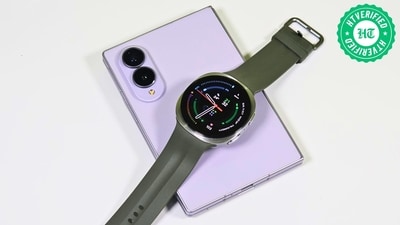
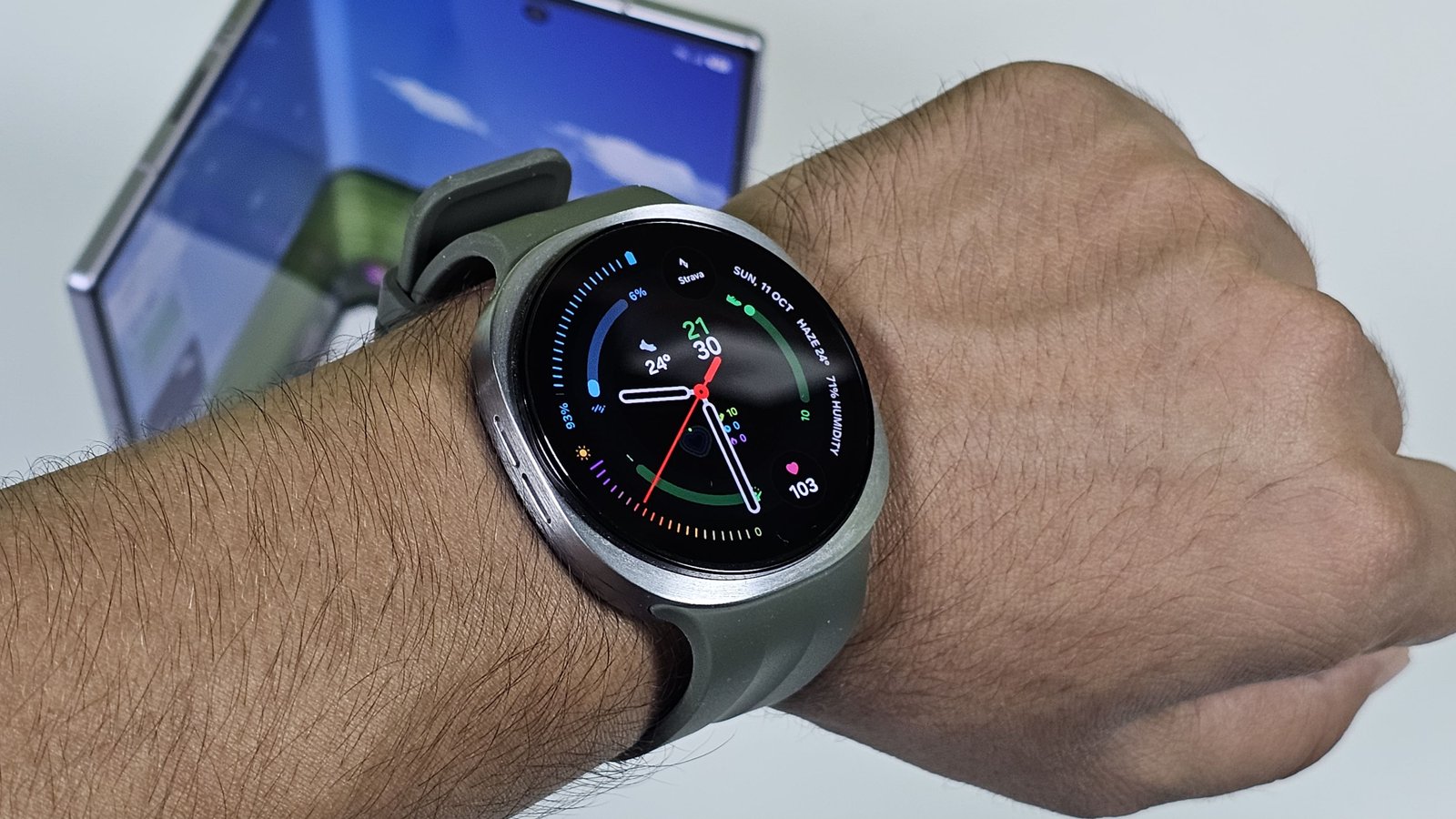
The Samsung Galaxy Watch 9 is a strange product to review because there is very little that I dislike about it. It looks good, feels comfortable, runs smoothly and tracks just about everything I would want from a flagship smartwatch. Yet, when you look at what has changed from the Galaxy Watch 8, it is difficult to call this a major upgrade.
I have been using the 44 mm Graphite Bluetooth version as my daily smartwatch, and at ₹40,999, it is a fairly expensive purchase. Samsung has refined an already good product rather than reinventing it.
Samsung Galaxy Watch 9: Key specifications
Design: Give us the rotating bezel back
Samsung has carried forward the design of the Galaxy Watch 8 almost entirely, right down to the 34g weight of the 44mm model. You get a metal frame with a brushed finish, a plastic back and the same squircle shaped outer case surrounding a circular display. I actually like this design. The squarer frame makes the watch look different from the sea of round dial smartwatches, and it gives the display some protection from everyday bumps.
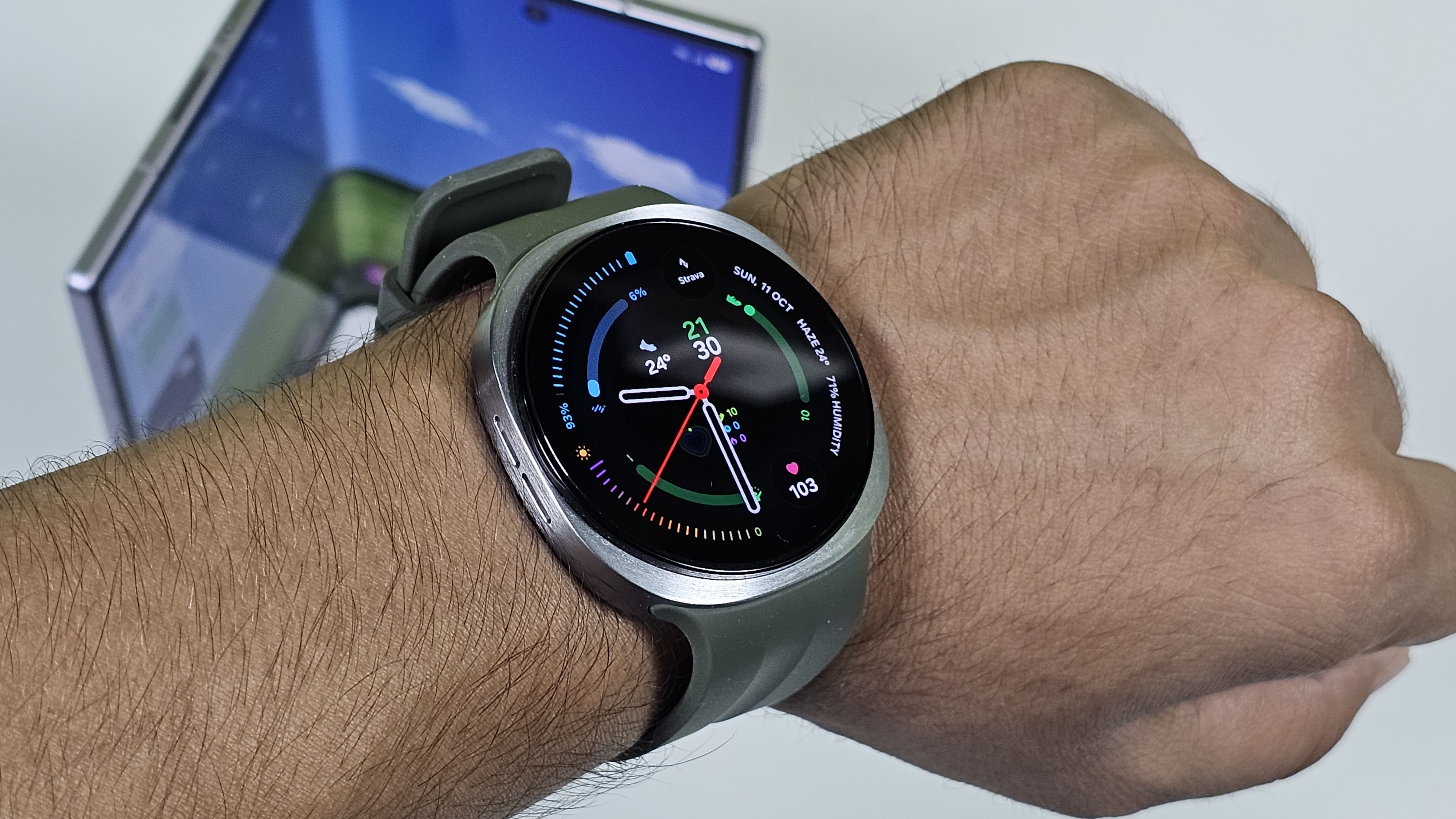
The watch feels solid without being heavy, and the soft silicone strap is one of my favourite things about it. It is a straightforward pin and buckle design without any fancy mechanism, and the material is comfortable enough that I can wear the Watch 9 through my workday, during a workout and while sleeping. It is the only smartwatch I have used recently that I can comfortably keep on my wrist overnight without waking up with a watch shape engraved on my wrist.
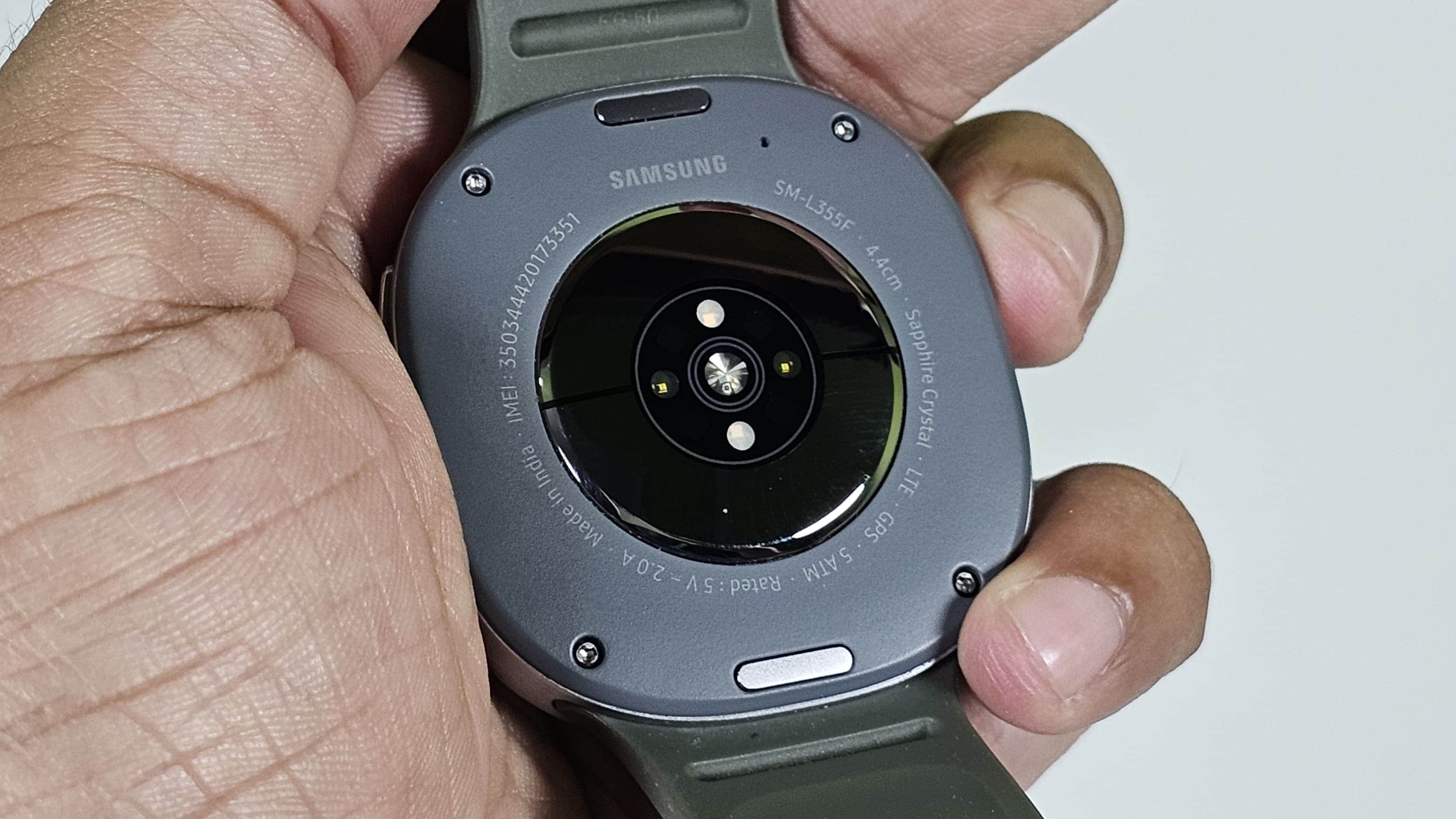
Samsung has also used sapphire crystal to protect the display, and I have not noticed any scratches despite a few bumps during daily use. The watch has IP68 and 5ATM protection, making it suitable for swimming and other water based activities within its stated limits.
There is, however, one thing I genuinely miss: the rotating bezel. It was a signature Galaxy Watch feature that made navigating the interface feel different from using every other smartwatch. I understand that Samsung wants to keep the interface clean and the case compact, but removing the rotating bezel takes away a feature that gave the Galaxy Watch some character. Samsung, please bring it back, or at least exclusively to the Ultra models.
Display: It really does not need to be brighter
The 1.47 inch Super AMOLED display is one of the best things about the Galaxy Watch 9. Samsung claims a peak brightness of 3,000 nits, and I honestly do not feel the need to question that figure after using it outdoors. The screen remains readable even under direct sunlight, and I have not run into a situation where I struggled to see the time or check a notification because the display was too dim.
Colours are rich, blacks are deep, and the contrast is exactly what I would expect from a Samsung display. You are obviously not going to watch movies on a smartwatch, but that does not make display quality irrelevant. Notifications, maps, workout information and watch faces all look excellent on this panel.
The display is also large enough to make reading notifications and navigating menus comfortable without making the watch feel bulky. There is very little to complain about here. I would rather Samsung spend its time improving other parts of the watch than making this display brighter.
Performance: Finally, no more worrying about stutters
Older Galaxy Watches have occasionally frustrated me with stuttering animations and sluggish app loading. That is no longer a concern with the Watch9. The new Snapdragon Wear Elite processor, paired with 2GB RAM, makes the watch feel quick and responsive throughout my daily use.
Apps launch quickly, installing new apps is smooth, and switching between applications does not leave me waiting for the interface to catch up. Data synchronisation between the watch and my phone is also quick, so I am not constantly checking my wrist and wondering when the latest information will appear.
The improvement is most noticeable if you are coming from an older Galaxy Watch. If you already own the Watch8, however, the difference in everyday use is less compelling. The new processor is a meaningful hardware upgrade, but it does not transform the way you use the watch.
Software and Gemini: One of the best smartwatch interfaces
The Watch 9 runs Wear OS 7 with Samsung's One UI Watch 9 interface, and it is easily one of my favourite smartwatch software experiences. There is a learning curve because navigation goes beyond simply swiping and tapping. You can scroll using the edges of the display, while pinch and flick gestures provide additional ways to interact with the watch. Once you get used to these controls, navigation feels natural.
Customisation is another strong point. You can change watch faces, rearrange widgets, adjust menus and personalise the interface to suit your preferences. Samsung's Now Bar is particularly useful because it keeps live activities, such as music playback, accessible from the watch face without forcing you to reopen the relevant application.
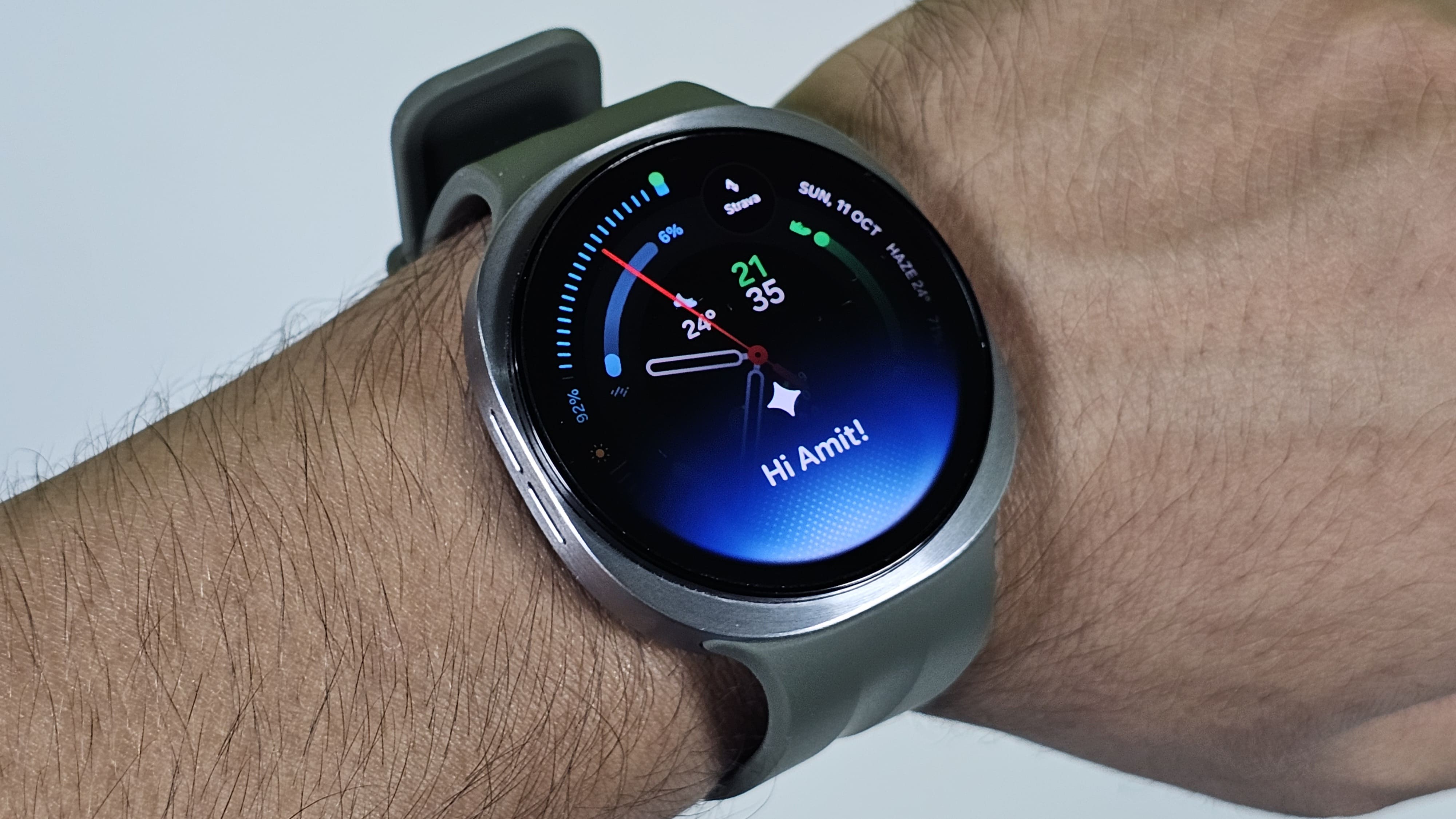
Gemini is another addition, and it is surprisingly capable on the wrist. Raise your watch towards your mouth and start talking, and it can recognise that you want to invoke the assistant without requiring a wake word. It responds quickly and can handle multistep requests, including actions that involve other watch functions.
I am not particularly interested in talking to a voice assistant throughout the day, though, so I kept my few extra battery percentage and turned the Raise to Talk off.
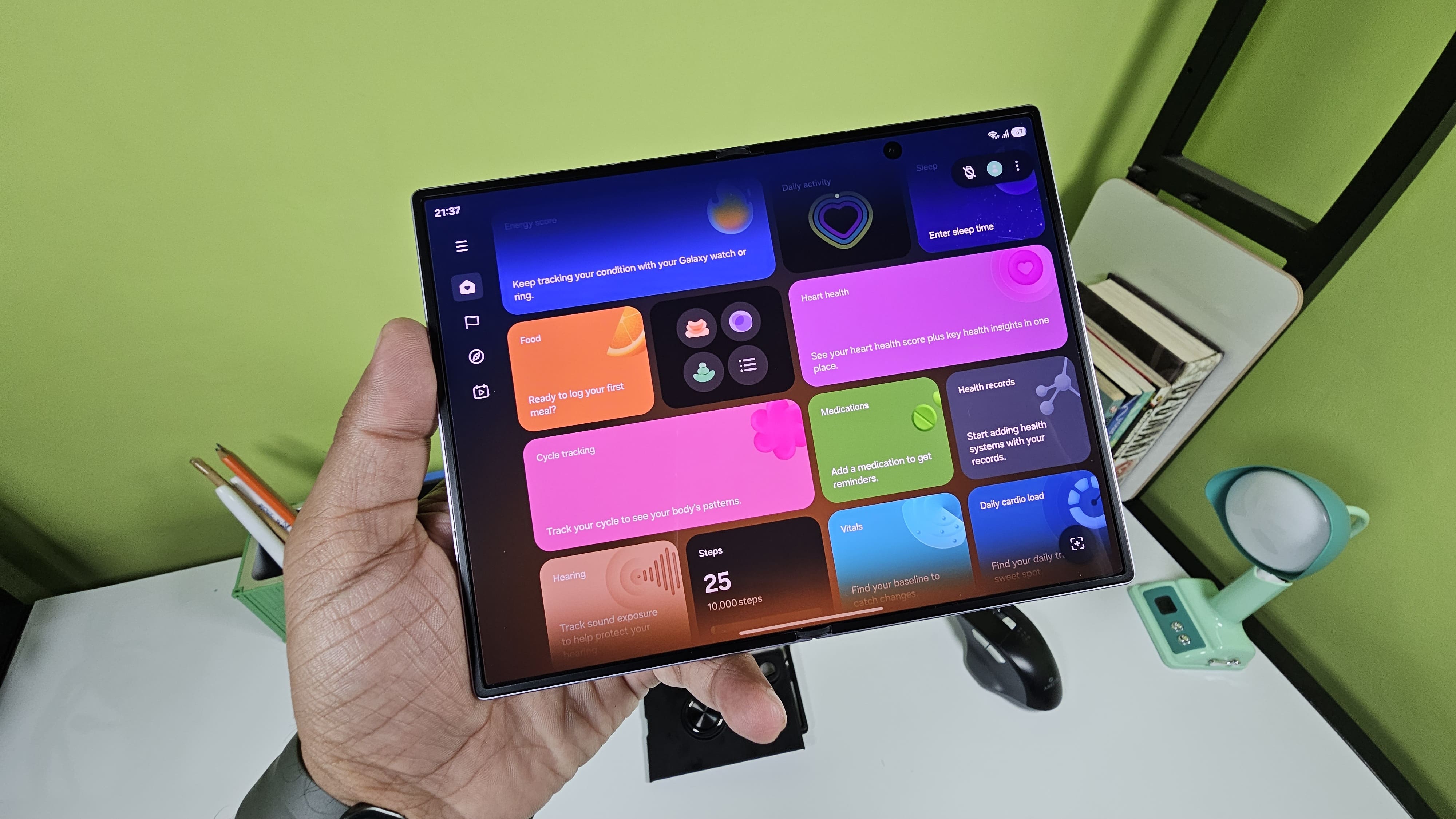
My bigger concern is compatibility, the Watch 9 works particularly well with Samsung phones, and I paired mine with the Galaxy Z Fold 8 without any connectivity problems. However, some advanced health features are restricted to compatible Samsung Galaxy phones. That makes the Watch 9 less appealing if you use an Android phone from another brand, especially when you are paying flagship money.
Health and fitness: A lot more than counting steps
Samsung has added several health and fitness features through software, while the underlying sensor hardware remains broadly similar to that of the Watch8. The result is a watch that can give you a surprising amount of information about your body without requiring you to open a separate app for every measurement.
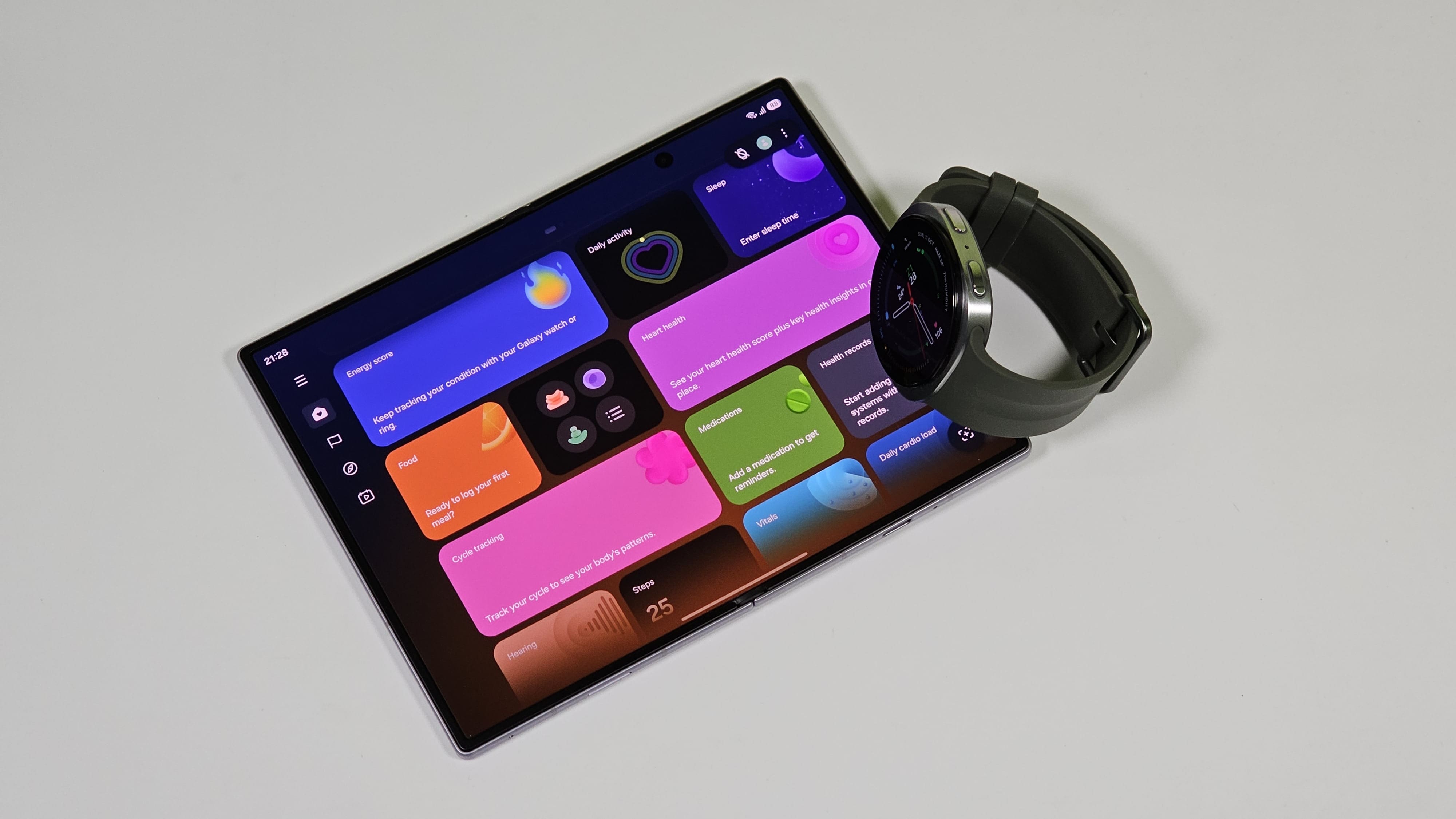
Samsung Health brings together heart rate, blood oxygen, sleep tracking, workout data and body composition measurements. There are also features such as Energy Score, which provides a quick indication of your readiness based on factors including sleep and recent activity. It becomes more useful when you wear the watch consistently, particularly overnight, because the software needs enough data to establish your baseline.
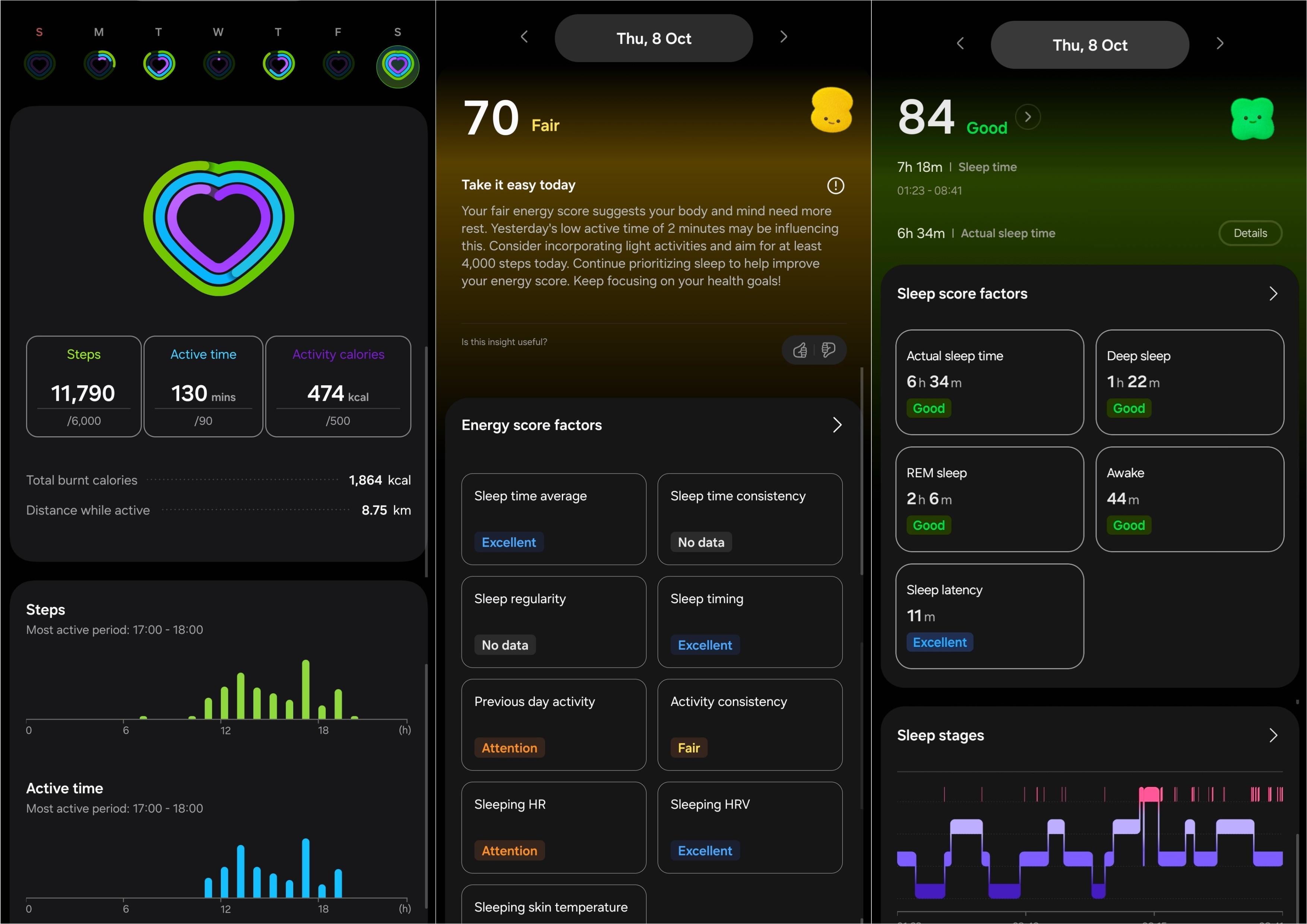
I like that Samsung makes so much information available without forcing you to interpret every metric individually. If you enjoy looking at detailed health data, there is plenty to explore. If you do not, Energy Score provides a simpler starting point.
The watch can also detect activities automatically. In my use, walking detection worked reliably, starting a session without requiring me to manually open the workout app and stopping automatically when I finished. Heart rate tracking was consistent with my regular smartwatch, and GPS tracking was accurate during my testing.
Battery life: Good enough, but nothing extraordinary
My routine is straightforward. I wear the watch through the day, charge it when I get home, then put it back on for sleep tracking. The next morning, the cycle starts again. And I found it perfect but if you forget the watch to put on charge once and this cycle snaps.
The 44mm model has a 445mAh battery, only a modest increase over the Watch 8. The smaller 40mm model receives a more substantial battery capacity improvement, so the upgrade is less meaningful on my version.
Charging is another area where Samsung could do better. The wireless charging system takes close to two hours to fully charge the watch, which is reasonable if you have a regular charging routine but inconvenient if you forget to charge it before heading out.
Should you buy the Samsung Galaxy Watch 9?
The Samsung Galaxy Watch 9 is a well rounded flagship smartwatch. It has an excellent display, responsive performance, comfortable design, polished software and an extensive set of health features. I have very few complaints about using it every day, and that is probably the strongest recommendation I can give it.
At ₹40,999, however, it is not an obvious upgrade for everyone. If you own a Galaxy Watch 8, the similar design, small battery improvement on the 44mm model and mostly software driven health additions make it difficult to justify spending more money.
If you own an older Galaxy Watch or are buying your first premium Android smartwatch, the Watch 9 makes considerably more sense.
Final Verdict: HT Verified Recommended (Scores Above 7.5 Qualify)
Overall score: 8.5 / 10
1. Samsung Galaxy Watch9 (40mm Bluetooth, Cream)
2. Samsung Galaxy Watch8 (40mm, Bluetooth, Silver) with 3nm Processor | Dual GPS | Sapphire Glass & Armor Aluminum | 5ATM & IP68 | BP, ECG, IHRN & Vascular Load Monitoring | Anti-oxidant Index

Our Principles
Full Transparency
Every product review clearly lists the Pros and Cons, giving you a balanced view.
Brand Confidence
We focus on products from brands with a proven reputation and long-standing market trust.