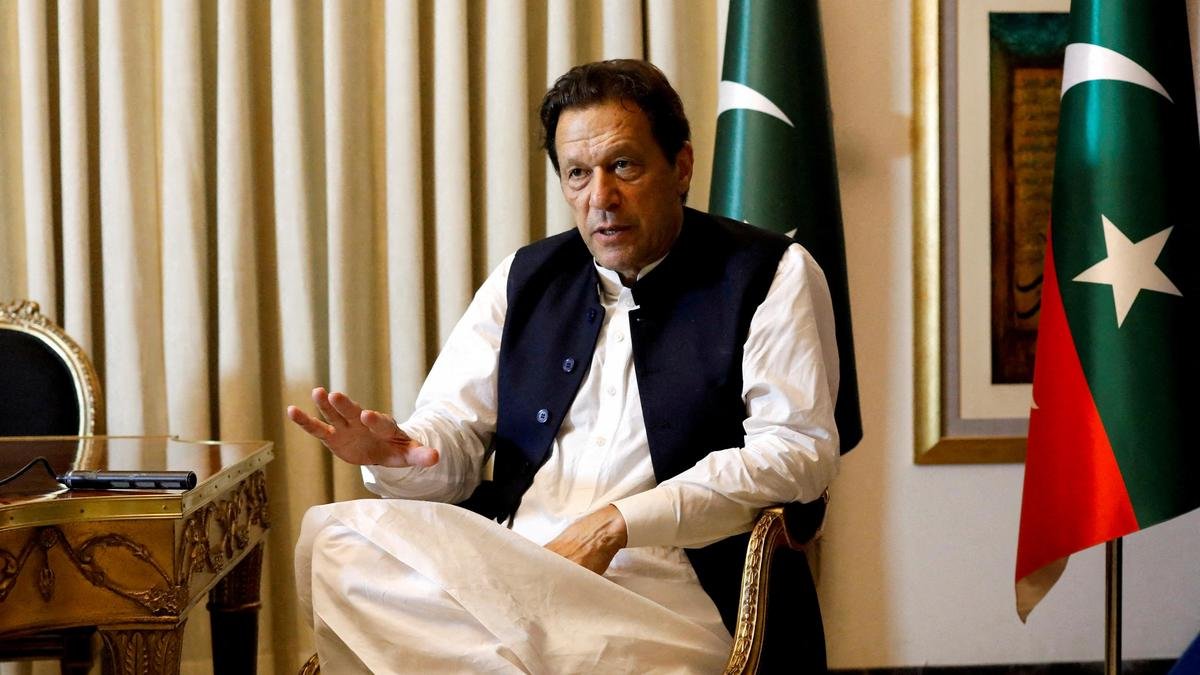
Pakistan Prime Minister Shehbaz Sharif on Tuesday (September 1, 2026) said that water was the "lifeblood" of the region and it must never be weaponised.
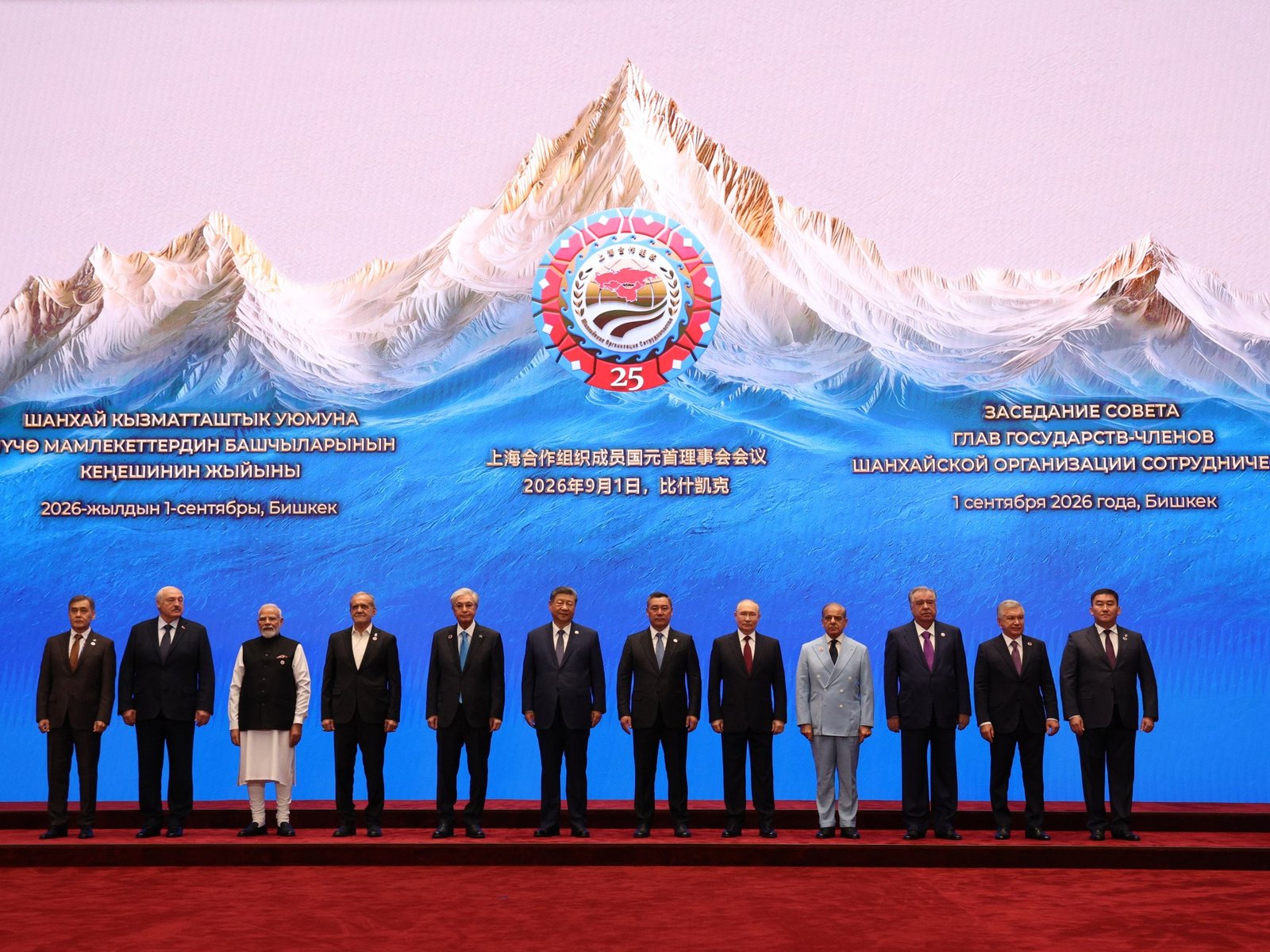
Addressing the Shanghai Cooperation Organisation (SCO) Summit in the Kyrgyz capital, Mr.
Sharif also said that the region cannot "realise its full potential without lasting peace," Dawn reported.
"Water is the lifeblood of our region.
It sustains millions of lives, nourishes our land and secures the very future of our coming generations,” he said, highlighting the issue of the Indus Waters Treaty (IWT).
SCO must confront countries using terrorism as instrument of state policy: PM Modi Mr.
Sharif stressed that it "must never be weaponised; it cannot be used as an instrument of coercion, nor can it ever be exploited for political leverage”.
India decided to put the IWT in abeyance as part of a series of punitive diplomatic and economic measures unveiled soon after the Pahalgam terror attack in April last year that killed 26 civilians.
"The treaties governing our shared waters are solemn, binding international commitments.
They are not matters of political convenience to be cast aside at your will.
They must be honoured unconditionally, in both letter and spirit," Mr.
Sharif said.
His remarks comes a day after India rejected the Permanent Court of Arbitration's order setting aside its decision to suspend the IWT with Pakistan, saying the "illegally-constituted" body has no jurisdiction to comment on New Delhi's sovereign decisions.
Citing lack of jurisdiction, India rejects Hague court’s Indus Waters Treaty ruling Pakistan had approached the Permanent Court of Arbitration in The Hague in March this year to determine the status of the treaty virtually challenging India's action.
India has never recognised the "existence in law of this illegally-constituted and so-called Court of Arbitration", and has always said the "very establishment of this alleged arbitral body constitutes a grave violation of the Indus Waters Treaty".
On terrorism On the issue of terrorism, Mr.
Sharif said it remained “one of the gravest threats that has affected our entire region in its various forms and manifestations”.
.
"In the past two and a half decades, we have sacrificed more than 90,000 lives and endured economic losses of over USD 150 billion in combating terrorism,” he said.
Pakistan sought a peaceful and stable Afghanistan, he said, adding: “But let there be no ambiguity; so long as terrorists continue to use Afghan territory to shed the blood of innocent Pakistanis and other nations, lasting peace will remain beyond our reach." Sharif also talked about Pakistan's mediation efforts in the US-Iran war and laid out the country's plan as it assumed the SCO CHS chair.
The SCO member states include China, Russia, India, Iran, Kazakhstan, Kyrgyzstan, Pakistan, Tajikistan, Uzbekistan and Belarus.
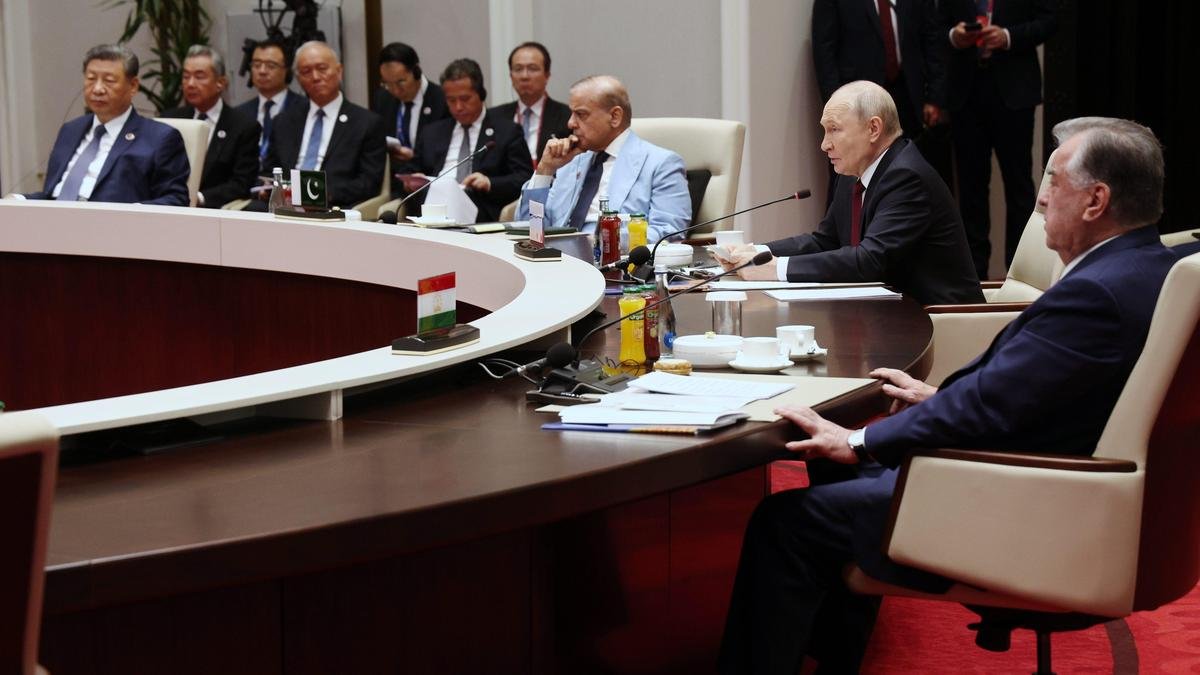
A video clip shared by the Prime Minister's Office showed Sharif speaking to Chinese President Xi Jinping.
He could also be seen sitting together with Russian President Vladimir Putin and Turkish President Recep Tayyip Erdogan.
The premier also held informal meetings with the presidents of Iran, Uzbekistan, Kazakhstan, Tajikistan and Belarus.
Pakistan to be Chair of SCO's Council of Heads of State for 2026–27 Pakistan is set to assume the chairmanship of the SCO's Council of Heads of State for 2026–27, with next year’s CHS summit to be hosted by Islamabad.
"As Pakistan assumes the chairmanship of the SCO, we are proposing an excellent plan that will prioritise key sectors, including IT and AI, energy development, poverty reduction, disaster management, health, culture and sports,” Mr.
Sharif said in his address.
As part of that plan, Pakistan proposed establishing an SCO framework for sovereign AI infrastructure and governance to “promote responsible and inclusive AI development and to also ensure that no member state is left behind".
Mr.
Sharif said Pakistan's SCO chairmanship will be pursued under the theme, 'Turning vision into action, connectivity, innovation and shared prosperity'.
He also said the China-Pakistan Economic Corridor (CPEC) continued to "serve as a gateway, linking the regional economies to the Arabian Sea".
Sharif said Islamabad “staunchly advocated peace when the sovereignty and territorial integrity of an SCO member state was violated earlier this year, triggering a major regional crisis”.
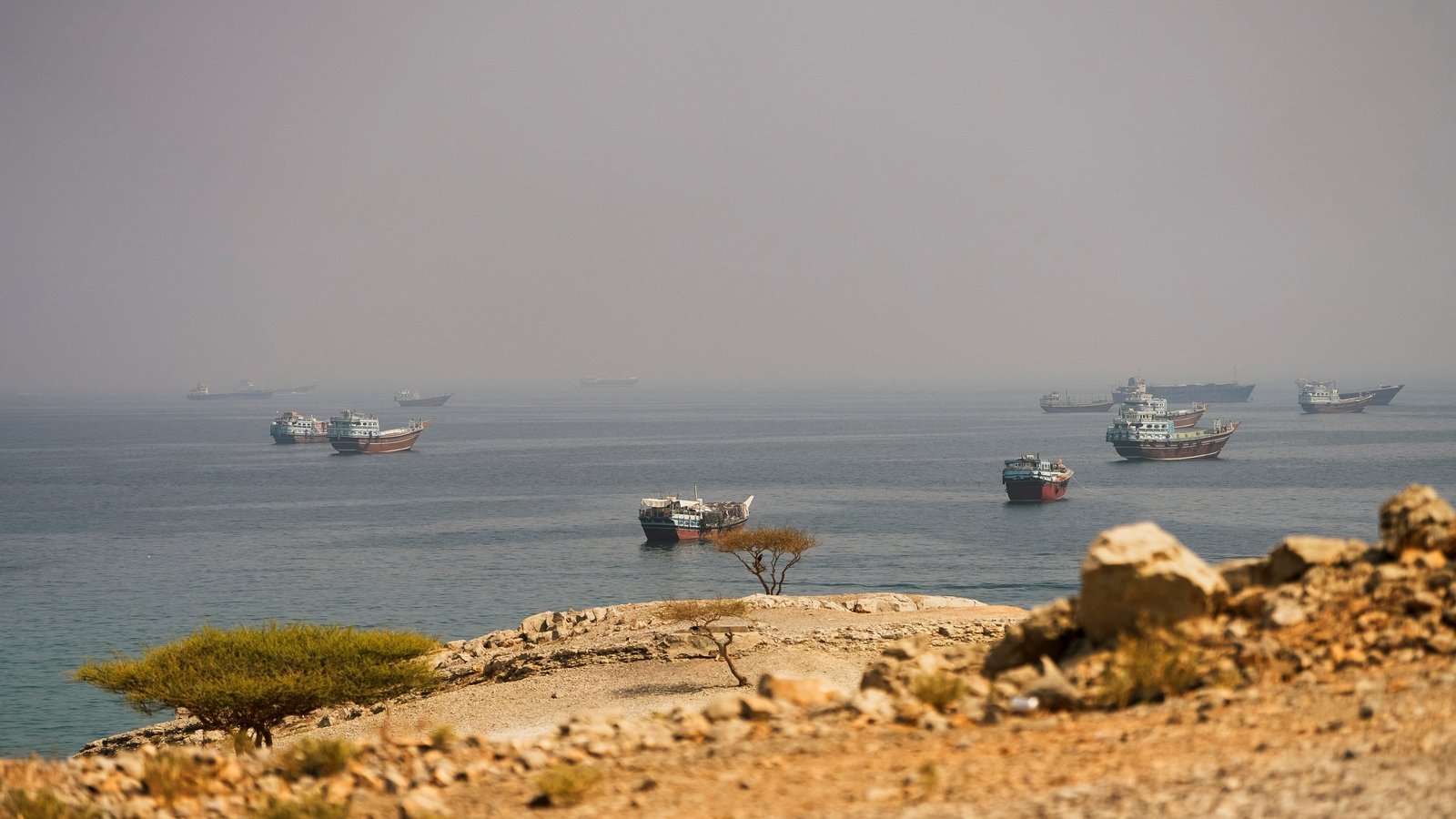
He noted that Pakistan and the international community have “borne a heavy economic cost” as the “closure of critical energy supply routes” disrupted the global economy, referring to the Strait of Hormuz.
"In these challenging times, Pakistan has consistently acted as an honest and sincere mediator and facilitator,” he said, recalling that Islamabad's “sustained diplomatic efforts culminated in the signing of the landmark Islamabad Memorandum of Understanding” in June between the U.S. and Iran.
"We firmly believe that the Islamabad MoU offers the most viable and enduring pathway to lasting peace in the region," he added.
Talking about the trilateral defence agreement between Pakistan, Saudi Arabia and Turkiye, named the “Makkah Defence Alliance”, Sharif said the pact was “fundamentally defensive in nature and is neither directed against any state nor intended to create any confrontation or division whatsoever”.
Bangladesh govt. positively weighs joining Mecca Pact; Opposition throws in support He also called upon the international community to honour its commitment to “help the Palestinian people, alongside all other oppressed nations, secure their fundamental right to self-determination”.