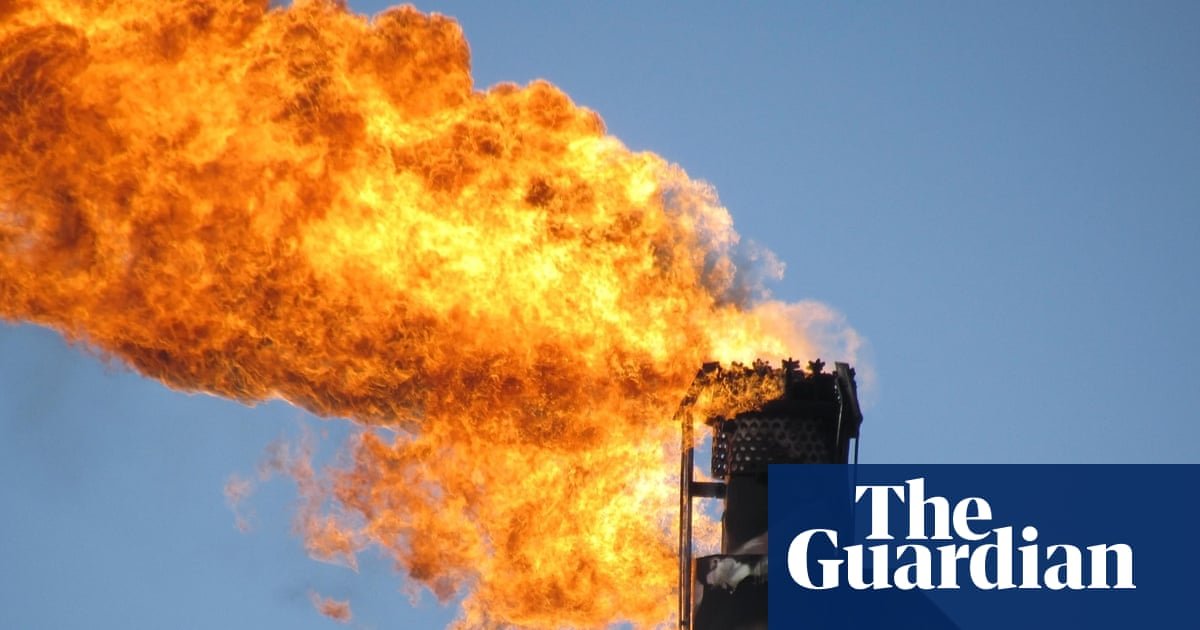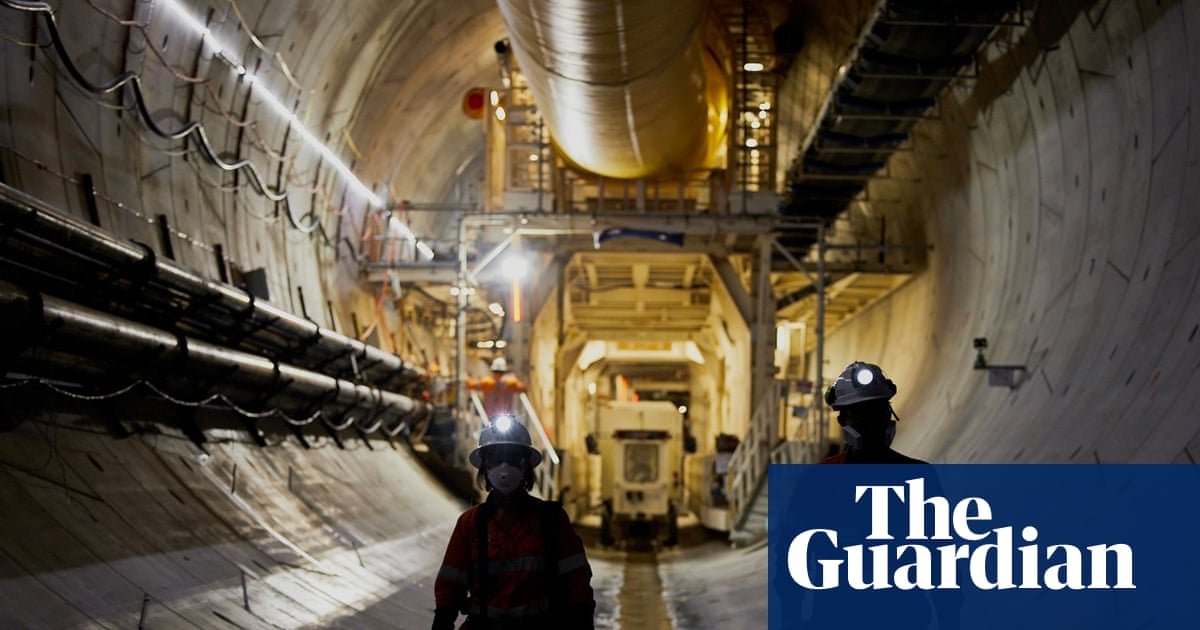
Snowy Hydro 2.0 will not be finished until 2029 and is expected to cost taxpayers as much as $25bn.
Photograph: Lightbulb Studio/Snowy Hydro Snowy Hydro 2.0 executives awarded bonuses totalling $751,925 despite cost blowout Annual reports show NSW renewable company’s CEO opted out of cash bonus, while CSIRO’s chief received an extra $200,000 Get our breaking news email, free app or daily news podcast Executives at the troubled Snowy Hydro company collectively banked bonuses worth a combined $751,925 in the last financial year, despite its renewable energy project blowing out to 12 times its original cost.
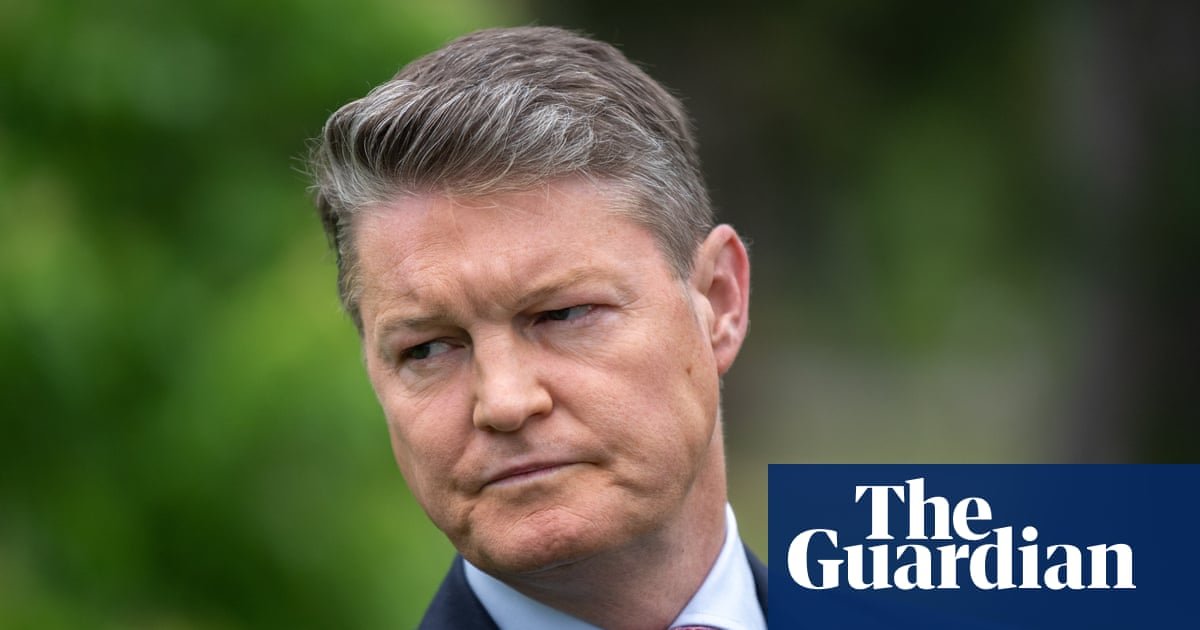
But Guardian Australia can reveal chief executive, Dennis Barnes, who has a base salary of $1,845,126, opted not to accept the extra cash.
The company’s chief financial officer, Kim Josling, who has a pay packet worth $828,839, received a $215,440 bonus, according to the company’s annual report for the 2025-2026 financial year.
Its chief operating officer, Maia Schweizer, received a base salary of $1,050,503, and pocketed a $255,570 bonus, while chief commercial officer, Gordon Wymer, who has a base salary of $1,142,268, took home a $280,915 bonus.
Sign up for the Breaking News Australia emailThe company’s long-delayed renewable energy project, Snowy Hydro 2.0, will not be completed until the end of the decade and is expected to cost taxpayers as much as $25bn.
It was first put forward in 2017 by the Turnbull government and came with an original price tag of $2bn, but the project in the Kosciuszko national park has climbed in cost.
The project was revised to almost $13bn in 2023, and construction was expected to completed by the end of 2028.
Snowy 2.0 now won’t be completed and fully commissioned until 2029.
A Snowy Hydro spokesperson said “short term incentives are based on a range of performance outcomes across these parts of Snowy Hydro’s business”.
“Mr Barnes recommended to Snowy Hydro’s Board that he receive no short term incentive payment for FY26,” the statement reads.
At Australia’s national science agency, the CSIRO, its chief executive, Doug Hilton, received a bonus of $198,517 on top of his $789,391 base salary, according to its 2025-2026 annual report.
He was the only one of the organisation’s senior executives to receive a bonus classed as a “salary at risk” payment.
The cash was awarded the same year the agency made a number of painful cuts, shrinking its workforce by several hundred people. skip past newsletter promotion after newsletter promotion More than 1,100 jobs have been cut from CSIRO in the last two years, according to the Community and Public Sector Union.
Separation and redundancy payments cost the agency more than $27m.
A CSIRO spokesperson said the agency’s board determined the annual value of the “at risk payment” which was assessed on key performance indicators.
Bonus payments to other senior executives were removed in the 2021-2022 financial year to align the agency with the public service, where such payments were also being removed.
“The size of CSIRO’s workforce is now expected to remain stable, supported by additional funding from the Australian Government in this year’s federal budget,” the spokesperson said.
“CSIRO acknowledges that change can create uncertainty for affected staff, and we do not underestimate the impact of that.” Explore more on these topicsEnergy CSIRO New South Wales Hydropower news Share Reuse this content