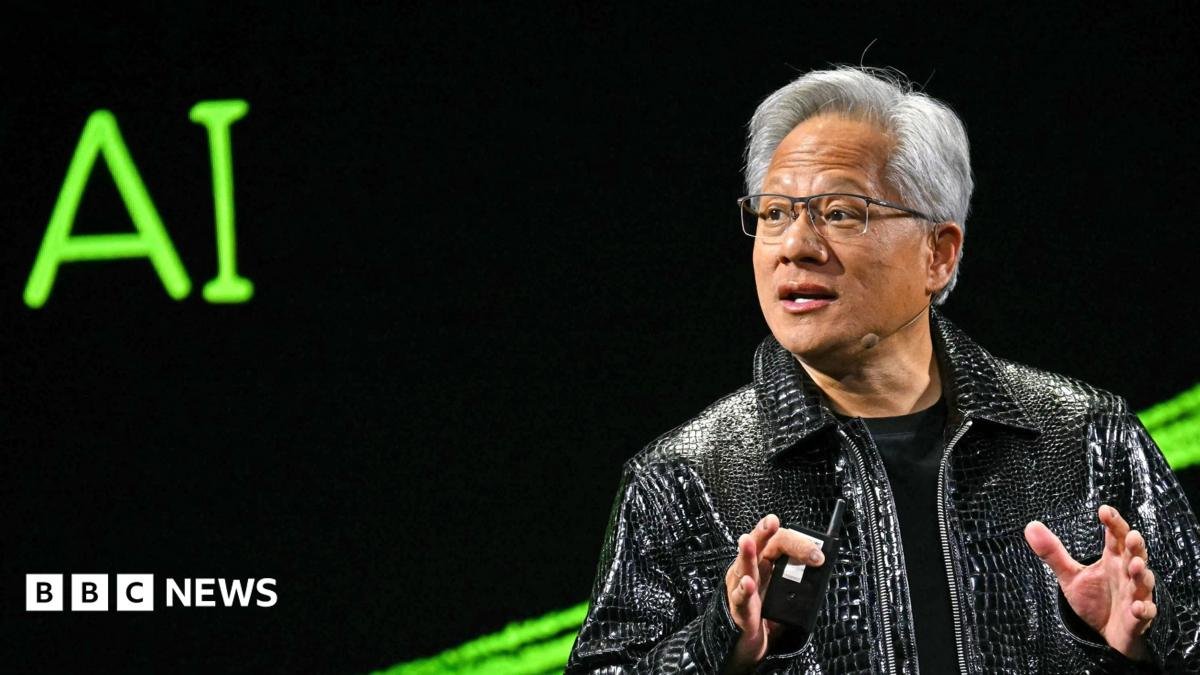
South Korean shares staged a sharp recovery on Tuesday, bouncing from a 10-month low and a massive 9% plunge in 2 days as a rally in technology stocks on Wall Street lifted investor sentiment. Jensen Huang's return as Nvidia CEO helped revive beaten-down AI stocks and eased concerns surrounding the sector.
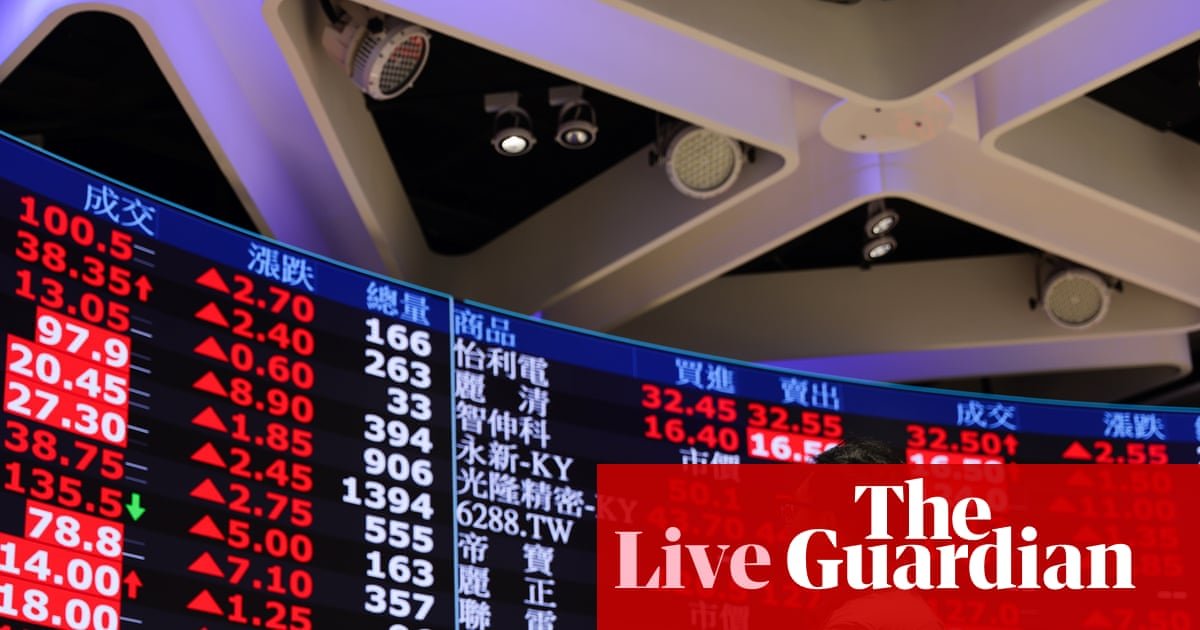
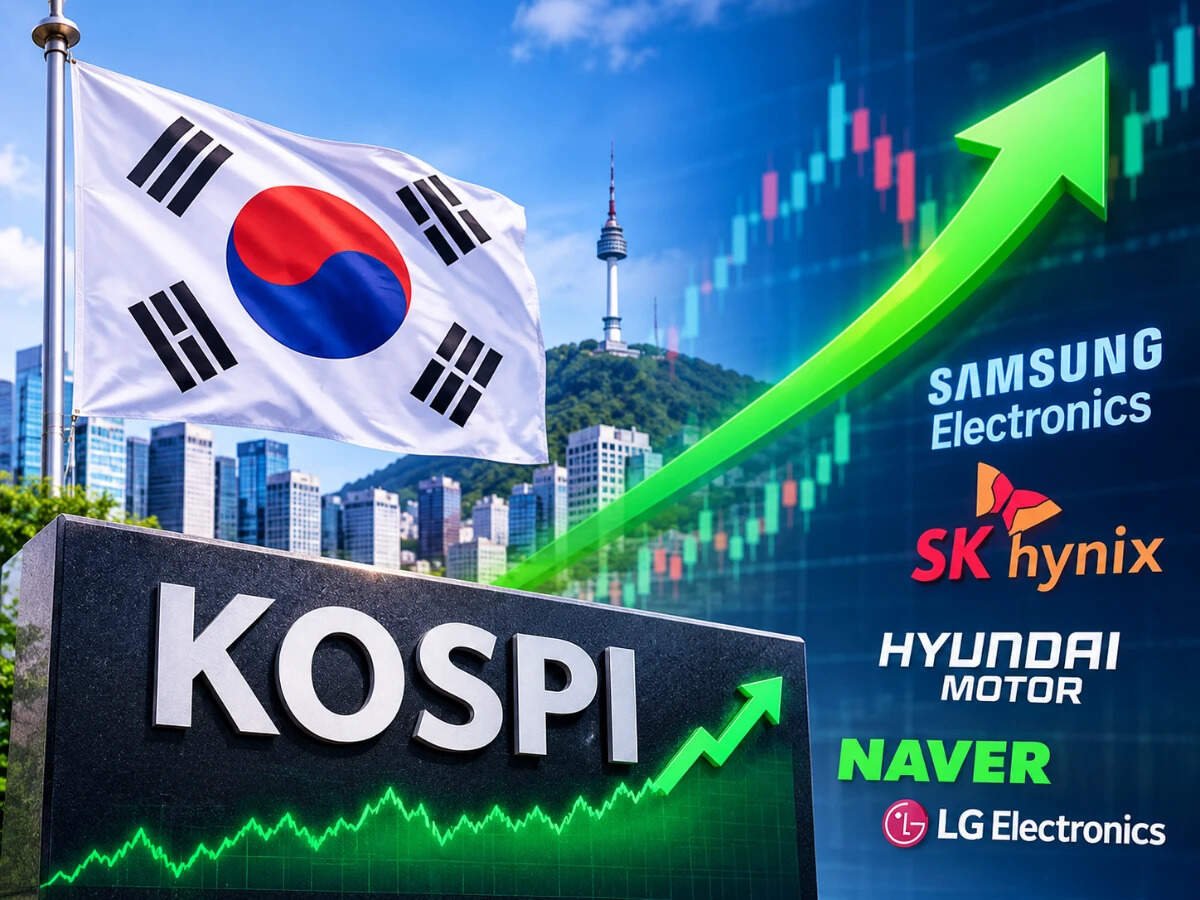
The benchmark KOSPI jumped 338.61 points, or 7.19%, to 5,047.15. The sharp advance triggered a five-minute sidecar trading curb on programme trades. Nvidia shares surged more than 30% in overnight trading after Huang was reinstated as CEO in a dramatic reversal following his resignation over revelations of extramarital affairs. The development also sparked a strong rally in AI-related stocks.
The KOSPI was on track for its biggest single-day gain since July 31. The index had slumped more than 3% on Monday, touching its lowest level since January 13, despite policymakers announcing measures to stabilise the market and limit further losses.
Analysts said questions remained over the investigations Huang would face, but his reinstatement had helped ease growing investor concerns about the AI boom in the near term.
"Jensen Huang's return appears to have done more than just easing CEO risk and relieved investor anxiety around the AI ecosystem," Reuters cited Han Ji-young, an analyst at Kiwoom Securities. Han said investors should focus on the potential for greater resilience in stock prices while keeping track of related developments, rather than anticipating another sharp decline.
Chipmakers led the broader market recovery, with Samsung Electronics rising 8% and SK Hynix advancing 10.9% amid widespread gains in AI-linked stocks. Other South Korean companies working with Nvidia on various AI technologies also recorded strong gains. Hyundai Motor climbed 7.7%, while e-commerce company Naver advanced 5.1%. LG Electronics surged 16.7%.
Investors are increasingly questioning whether the massive sums, largely financed through borrowing, being poured into data centres to power artificial intelligence tools will generate returns quickly enough to repay lenders or justify the lofty valuations of some technology stocks.
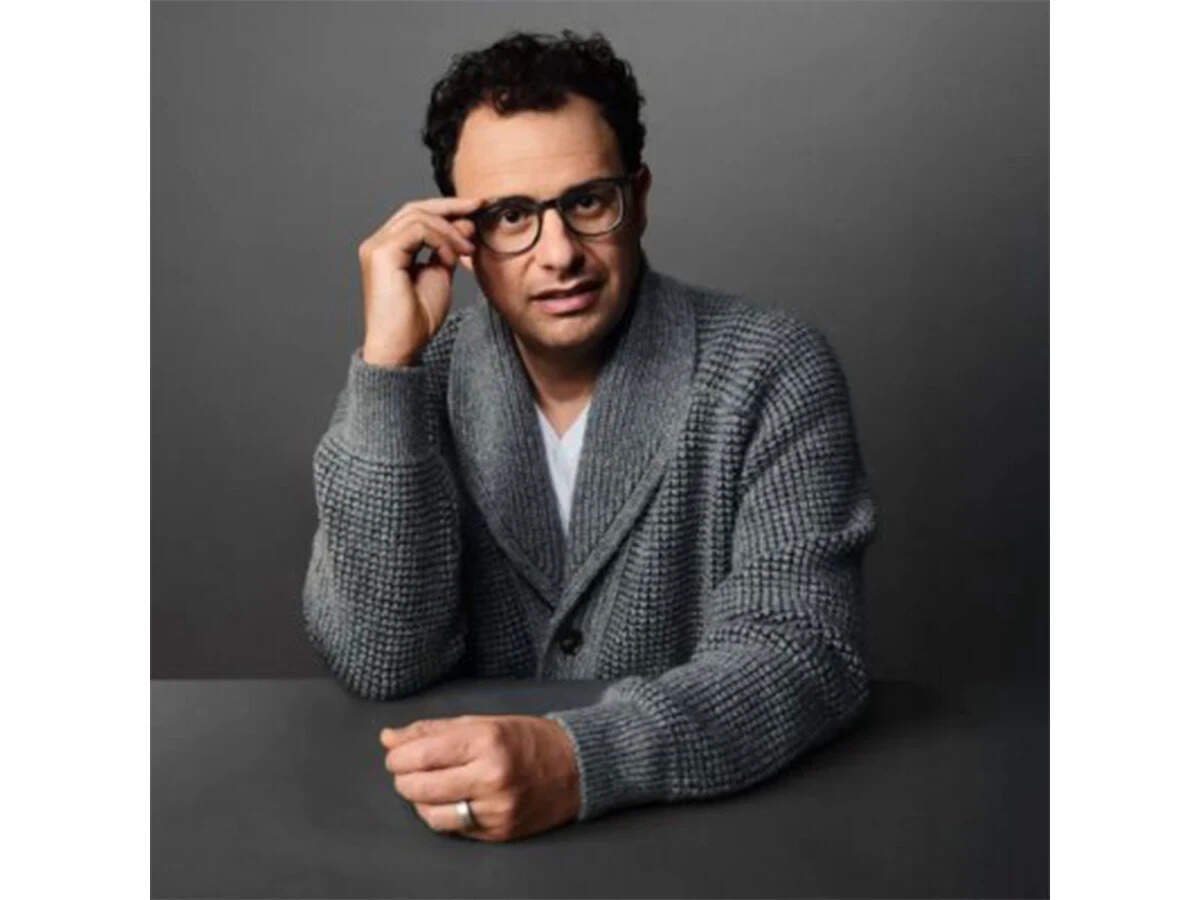
Jefferies' global head of equity strategy and one of the most prominent emerging-market bulls, Christopher Wood, has raised India's weighting in his Asia-Pacific ex-Japan relative-return portfolio by one percentage point to 15%, while cutting his exposure to Taiwan by an equal measure.
For Wood, the growing unease around artificial intelligence is not necessarily evidence that the investment cycle has peaked. In his latest GREED & fear report, he cautioned that financial markets continue to behave as though the AI capital expenditure cycle has reached its peak, despite a lack of compelling evidence on the ground to support that conclusion.
"GREED & fear will continue to assume for now that the market signal is the correct one where the only issue is whether this is the peak of the cycle or a mid-cycle correction," Wood said.
In his October edition, Wood had urged investors to diversify beyond AI. A key concern in his assessment is the rising cost of borrowing for companies financing the enormous AI spending boom. Higher borrowing costs raise questions about how long investors will remain willing to fund the trade, particularly as the market becomes increasingly sensitive to the returns generated by these investments.
IMF warns of more pain
Adding to the uncertainty, the International Monetary Fund has warned that financial markets could face further correction as investors reassess the scale of the AI boom and the returns from massive investments in the technology.
Managing Director Kristalina Georgieva said the Washington-based lender had anticipated an adjustment because investor enthusiasm was "way too high" and expected further moderation.
"At this point we don't see a major correction, but we do expect perhaps a little bit more," Georgieva said in an interview with Bloomberg Television's Stephen Engle in Shenzhen on Thursday. She added that the adjustment would "bring us to a more sustainable place."
"This creates a potential financial stability risk," Georgieva said, adding that the risks could be contained through greater transparency around financing arrangements and by companies remaining alert to the possibility that they are stepping into "a more dangerous territory."