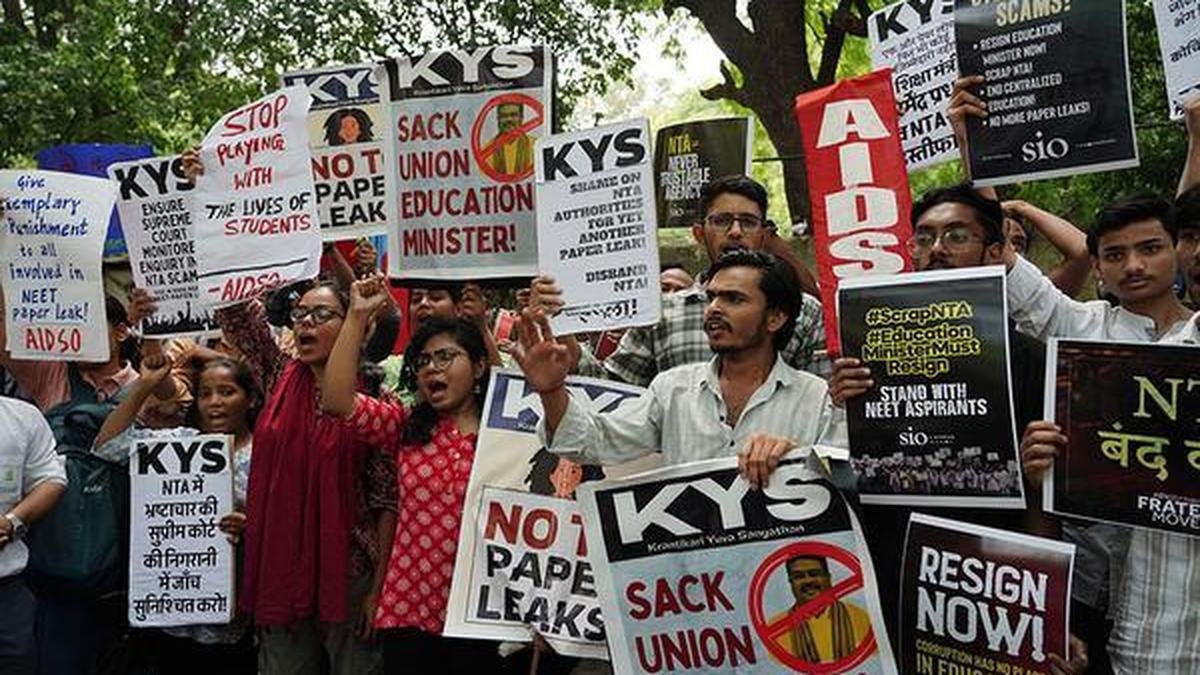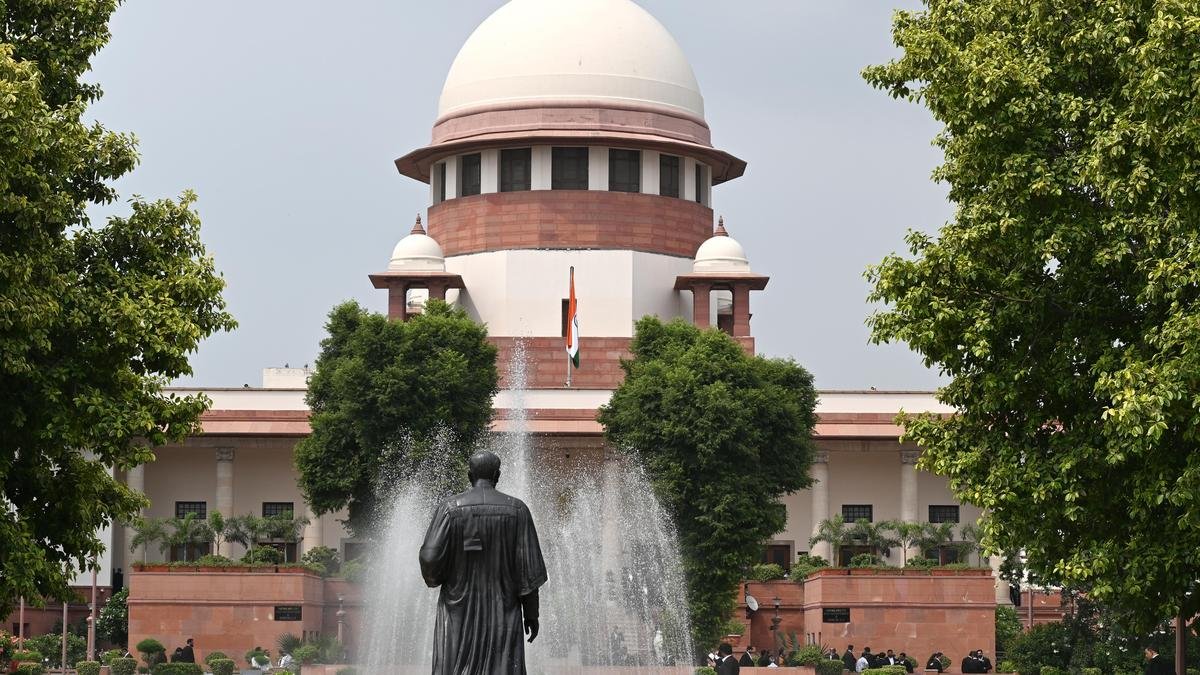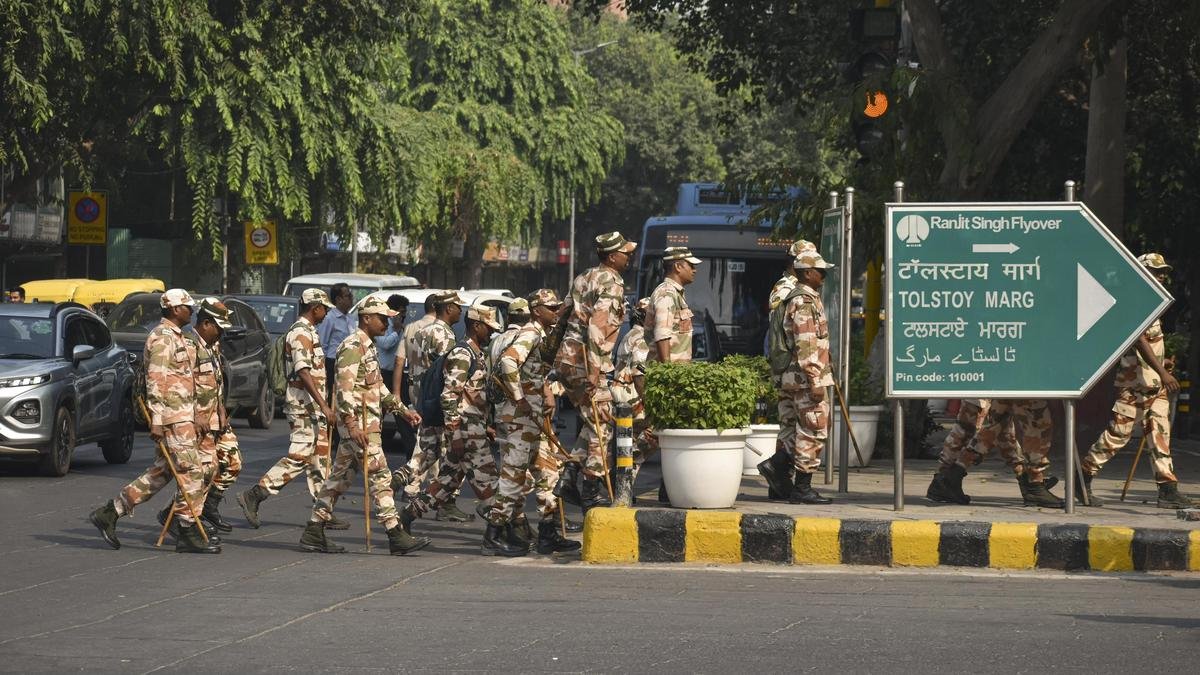
The Supreme Court of India on Friday (October 9, 2026) said the right to association and protest peacefully is a fundamental right of every citizen while reacting to a mention by senior lawyers of the apex court about the unprecedented “shutting down” of the national capital a day ahead of the CJP protests for the resignation of Chief Election Commissioner Gyanesh Kumar on October 10.
Citizens divided between October 10 protest calls, police warnings Making an impromptu oral mention before a Bench headed by Chief Justice of India Surya Kant, a battery of lawyers, led by senior advocates Kapil Sibal and A.M.
Singhvi, said the capital has been “heavily barricaded”, making free movement virtually impossible.
“What is happening in my country?
Can we not protest peacefully anymore?” Mr.
Sibal asked the Supreme Court.
Solicitor General Tushar Mehta, who was present in the courtroom, cut in to point out that “it is our country”.
Delhi Police deny permission for CJP’s October 10 Jantar Mantar protest, cite breach of past undertaking “When I say ‘my’, I mean ‘our’,” Mr.
Sibal responded.
Mr.
Mehta said the measures were meant to prevent any unlawful incidents.
“There is no doubt about the fundamental right to association.
The right has to be exercised in accordance with the laws governing association.
You have to make an application for permission.
If they do not grant permission or drag their feet, you come here,” Justice Joymalya Bagchi, on the Bench, said.
The judge said whether the “broad spectrum” measures taken by the police were disproportionate to what was required to keep the protest safe on October 10 needed to be looked into.
“Before us is a document which appears to impose a blanket ban on certain common facilities relating to transport, access to other essential facilities and designated places.
That definitely affects ordinary citizens.
We have a balance to make between the rights of a group of citizens who wish to protest and the rights of another group, perhaps a much larger group, who want access to common and essential facilities.
The State stands between the two,” said Justice Bagchi.
The court asked the lawyers to with the protestors and verify if they had provided the police with the necessary details and sought permission.
CEC row LIVE updates on October 9, 2026 The lawyers said the CPI(M) party general secretary, M.A.
Baby, has also moved the Supreme Court, highlighting the cancellation of trains, closure of guest homes, internet shutdowns and stopping students and youth from coming to Delhi to exercise their right to peaceful dissent.
The senior lawyers said a Youth Congress plea in the Delhi High Court on the issue has been adjourned to October 12.
They said the court was the final arbiter of citizens’ rights, and must intervene.
“You can’t shut down an entire city because you cannot handle a bunch of protestors,” senior advocate Gopal Sankaranarayan submitted.
CJP, Left groups allege supporters detained from across the country, ahead of October 10 protest Senior advocates Nitya Ramakrishnan, Sanjay Hegde, Prashant Bhushan, and Subhash Chandran pointed out that 57 metro stations have been shut down.
Justice Bagchi stressed that freedom of association is indeed a fundamental right, but it had to be verified whether permission for the protest had been obtained.
The judge said that if not, the protest may prove to be illegal.
Sankaranarayanan said peaceful protests, even without permission, are not illegal unless an offence is committed during the protest.
Sibal said forcible, coercive and restrictive measures cannot be put in place by the state even before anything illegal has been done.
“Detention centres have been identified.
YouTubers have been warned of action.
There are heavy checks at the borders of Delhi,” he submitted.
Ms.
Ramakrishnan asked the court whether it was legal for the police to go from home to home, guest house to guest house, cautioning people against participating in the protest.