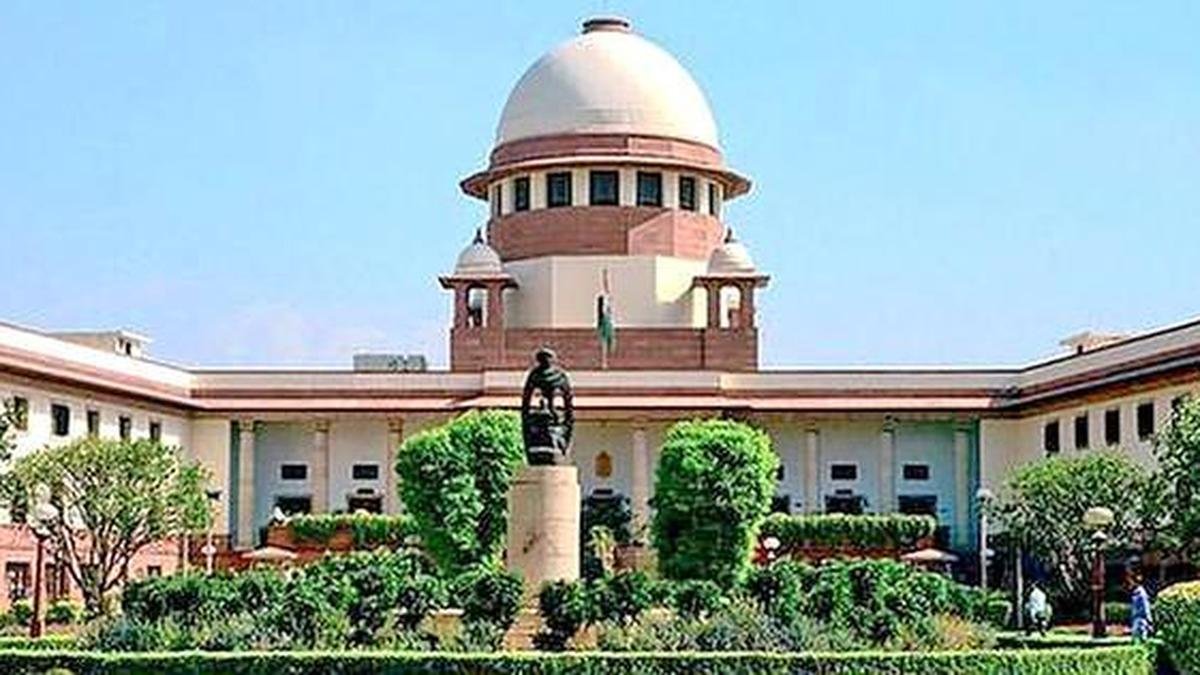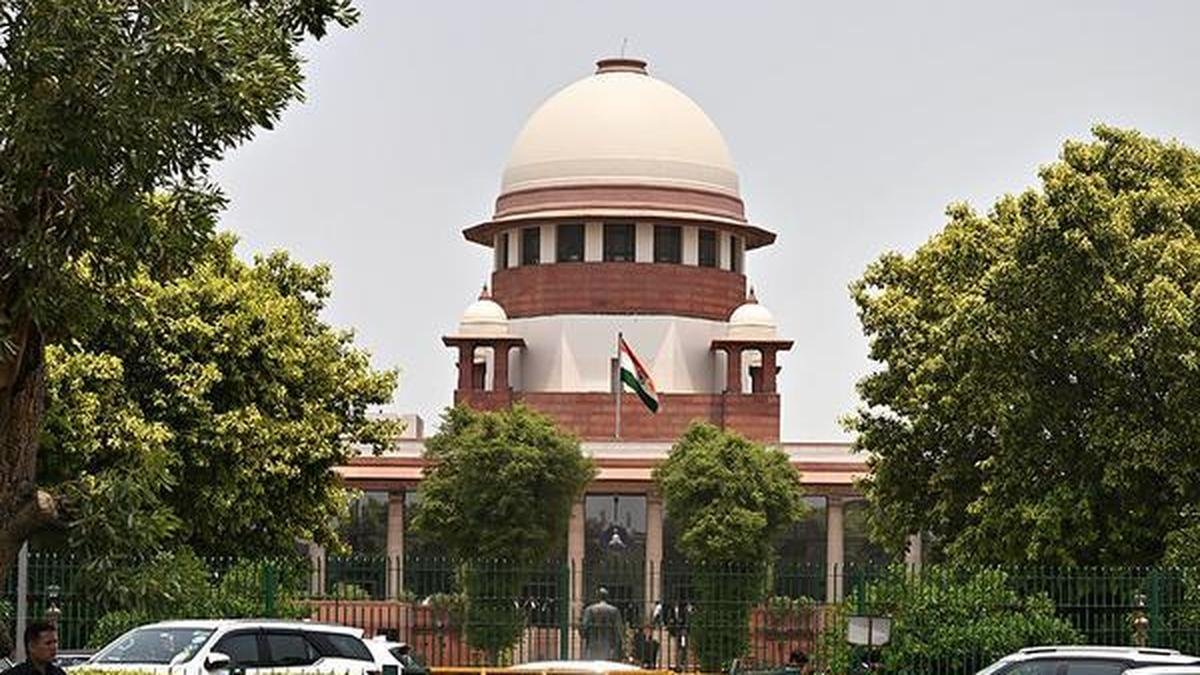
The Supreme Court on Wednesday (August 12, 2026) said the State of Karnataka’s prosecution plan to complete trial in an Unlawful Activities Prevention Act (UAPA) case involving over 700 witnesses within “reasonable time” was as “absurd as a fairy tale” while flagging the need for humanly manageable trial schedules for judges.
The oral observation from Justice Joymalya Bagchi, part of a three-judge Bench headed by the Chief Justice of India Surya Kant, came in a plea for bail filed by Shahid Khan, who is accused of being part of a larger conspiracy by the Popular Front of India (PFI) to radicalise youth and engage in unlawful activities.
Mr. Khan has been in custody for about four years, since his arrest in September 2022. The chargesheet in the UAPA case was filed in March 2023. The Karnataka High Court declined to grant him regular bail in January 2026, prompting Mr. Khan to turn to the top court in appeal.
The previous hearing saw the court ask the State to draw up a prosecution plan which included the number of witnesses, including protected witnesses, waiting to testify.
“The prosecution proposes to examine over 700 witnesses,” the Bench said.
Outrightly rejecting the State’s plan, the court said it would be “practically impossible to examine 707 witnesses, including 64 protected witnesses, and complete the trial within a reasonable time”.
Moreover, the Bench was shocked to learn that the trial judge was already juggling over 90 UAPA cases, including this one. A special court should only have 12 to 15 UAPA trials with it, the Chief Justice said.
“There should be two exclusive UAPA courts, if the cases number between 25 and 30. Three in a State, if the cases number 35 to 40… You cannot give 70 to 90 cases to a judge like this,” Chief Justice Kant addressed the counsel appearing on behalf of the State of Karnataka.
The Bench asked the State of Karnataka and the High Court Chief Justice to ensure that necessary measures were taken to reduce the burden of special court judges handling UAPA cases.
“Courts are overburdened by multiple cases. The Presiding Officer has several other trials before him,” Chief Justice Kant said.
The State ought to provide the necessary infrastructure, including the creation of additional courts, the apex court said.
The Bench further directed the trial judge hearing this case to examine the 50 witnesses and three protected witnesses linked to Mr. Khan within the next three months. The apex court said Mr. Khan could apply afresh for bail afterwards.