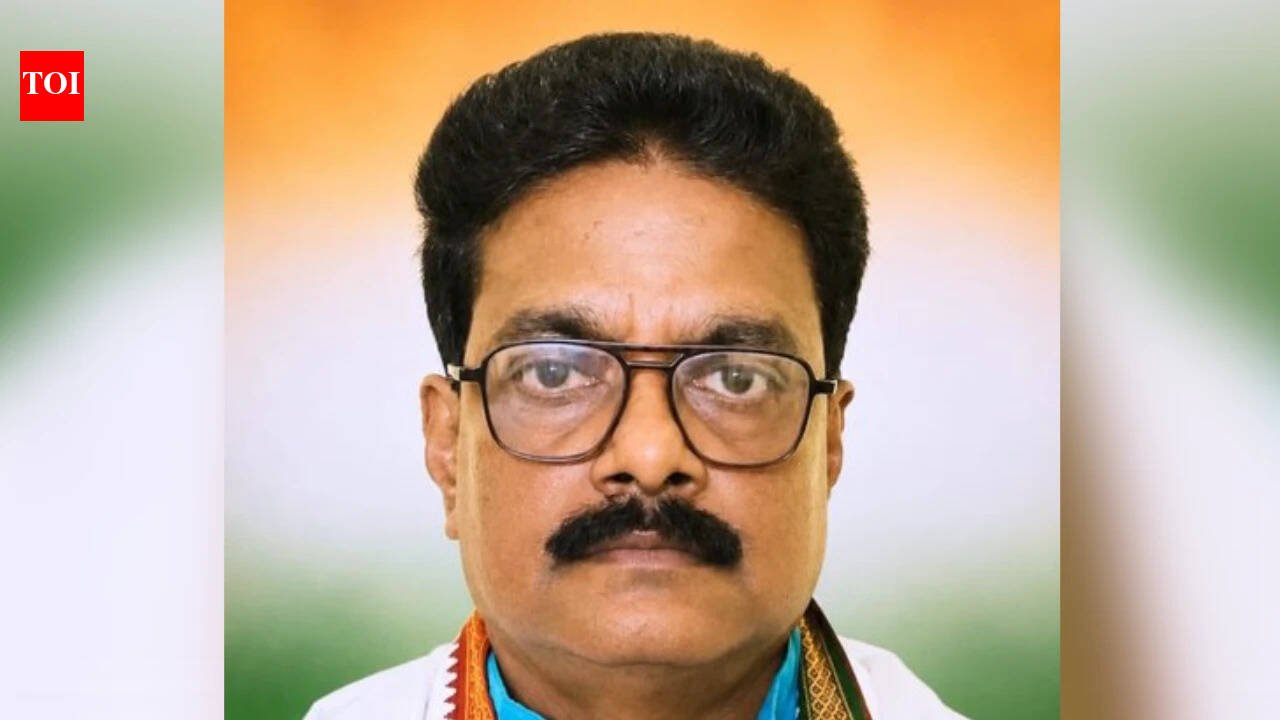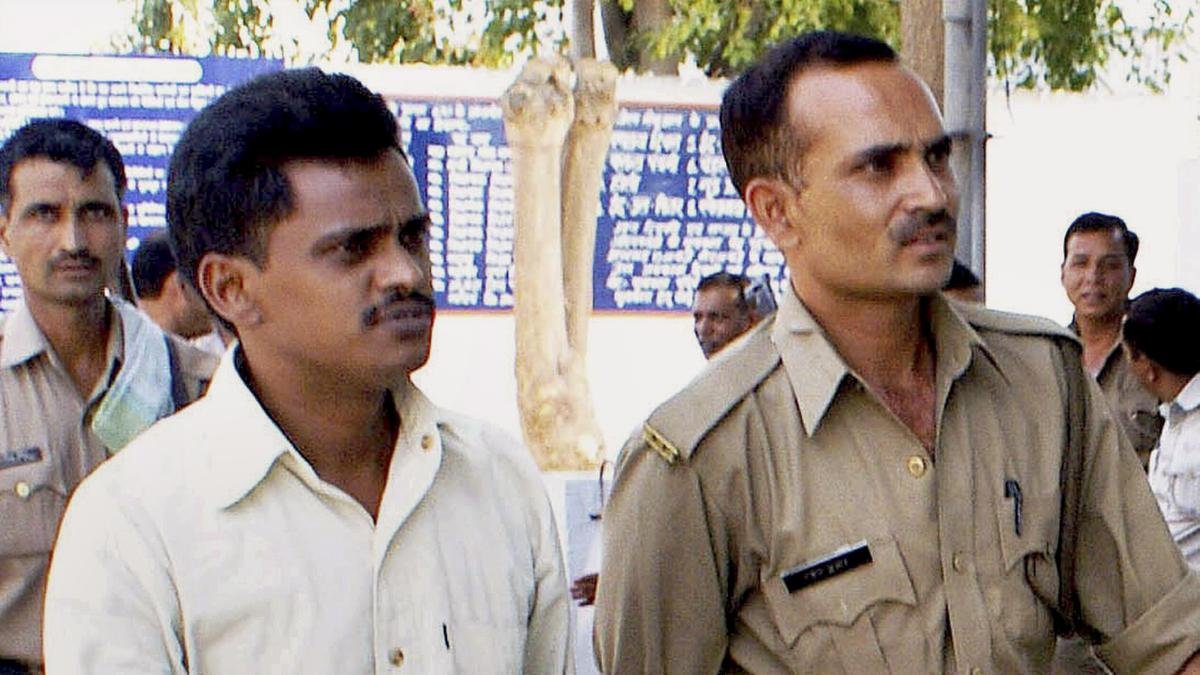
Barely a year after he was acquitted in all 13 cases related to the sensational Nithari killings, Surendra Koli, the man at the centre of crime, was found dead in Haridwar, police said on Friday (September 18, 2026).
According to Haridwar City Deputy Superintendent of Police Shishupal Singh Negi, Koli was found dead inside a tea stall which he had been operating in the Saprishi area of the city for past few days.
What the Nithari acquittals reveal about the justice system “We got to know about a person hanging inside the tea stall from locals.
A police team reached the spot and from an Aadhaar card found from his pocket, it was discovered that he is Surendra Koli,” said the official.
He added that prima facie it appeared that Koli died by suicide.
“A forensic team was asked to examine the crime scene and the body was sent for post-mortem,” said Mr.
Negi.
His family in Almora was informed and they were on their way for identification.
Basic norms of collecting evidence brazenly violated: Allahabad HC on Nithari killings According to police sources, soon after getting acquitted from the Supreme Court in November 2025, Koli came to Haridwar where he started working as a security guard in a private firm using fake identity.
“We also found a voter ID card from him which is from 2001 and named him as Sadaram.” He must have used that identity to apply for the job.
Narayan Singh, a social activist from Koli’s hometown, who helped him in fighting the cases against him, said he had recently given him ₹25,000 to start a tea stall.
“I am not sure why will he kill himslef when he had future plans,” Mr.
Singh asked.
An official involved in the investigation said those living around his tea stall shared that he was in desperate need for money for the birthday of someone close to him.
“This can be probably his daughter from the wife who left after the case came to light,” the official said.
National attention In 2006, Nithari village in Noida’s Sector 31 became the centre of national attention after a number of children went missing.
Despite several complaints to the police, the case gained wider attention in December when skeletal remains were discovered in a drain near the house of businessman Moninder Singh Pandher.
Koli was a domestic worker employed at Pandher’s house.
Dissatisfied with the initial police investigation, which reportedly focused on the possibility of involvement by “drunk troublemakers”, the families of the missing approached the court.
Following judicial intervention, the police constituted a special team that questioned Koli.
Chargesheets filed in over 16 cases involving allegations of murder, abduction, rape and destruction of evidence and immoral trafficking, say Koli confessed to killing one of the missing girls.
He also told investigators that he had dismembered her body before disposing of the remains, including her head and slippers, in the enclosed gallery behind Pandher’s residence.
Police also submitted in the court that Koli had also confessed to killing several other missing women and children in a similar manner.
Acting on information provided by him, investigators recovered 14 more skulls from the same gallery, where excavation had already begun.
The investigation was subsequently transferred from the local police to the Central Bureau of Investigation.
Koli and Pandher were arrested in connection with the 16 cases.
A trial court convicted both in 2009 and awarded them the death penalty.
The two approached the Allahabad High Court which upheld Koli’s conviction but acquitted Pandher in 2009, citing insufficient substantive evidence against him.
Koli’s appeals continued for years.
He was convicted in 12 additional Nithari cases between 2010 and 2021.
A major turn in the case came in October 2023, when the Allahabad High Court acquitted Koli in all 12 cases.
The court cited deficiencies in the investigation and a lack of evidence.
The Supreme Court subsequently upheld the acquittals in November 2025 and ordered Koli’s release.
Those in distress or having suicidal tendencies can seek help and counselling by calling Sanjivini, Society for Mental Health, telephone: 011-40769002.