Robust action is needed to protect European industries from unfair competition. The alternative is social strife amid growing insecurity
According to a recent analysis, China enjoys a surplus in its manufactured goods trade with the European Union that is roughly equivalent to Italy’s national income. That trade disparity, it is estimated, continues to grow by about 30% each year. The stark implication, according to a paper from Centre for European Reform, is that Europe, with Germany in the frontline, risks “deindustrialisation at China’s hand”.
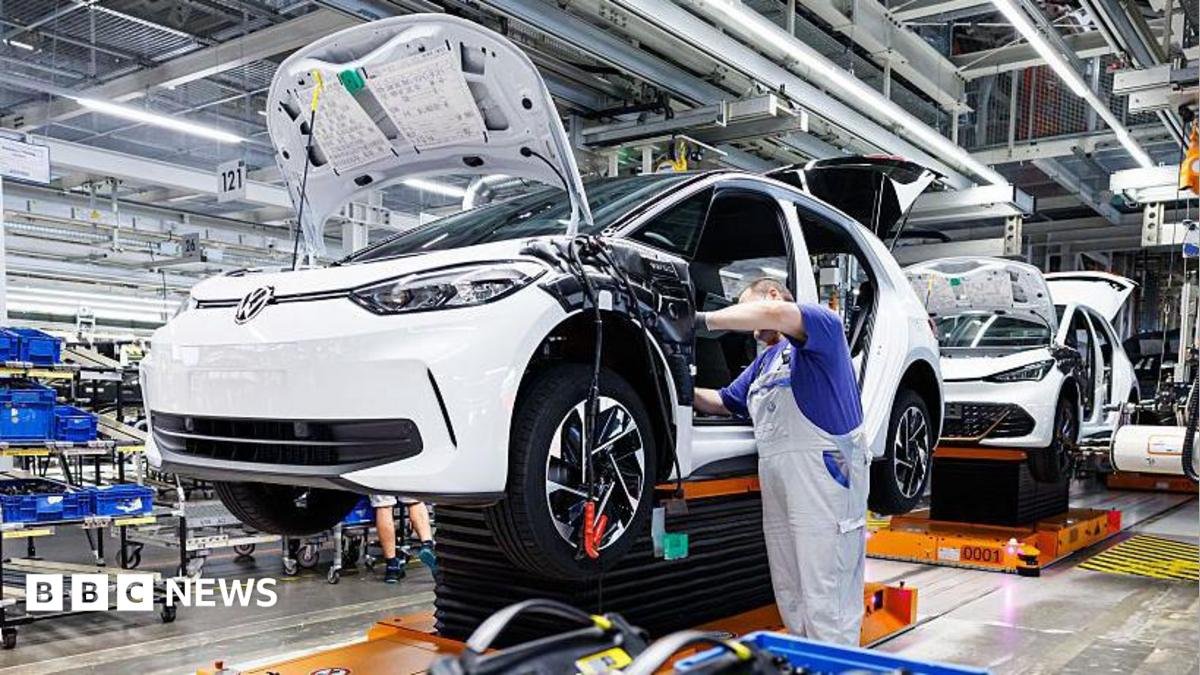
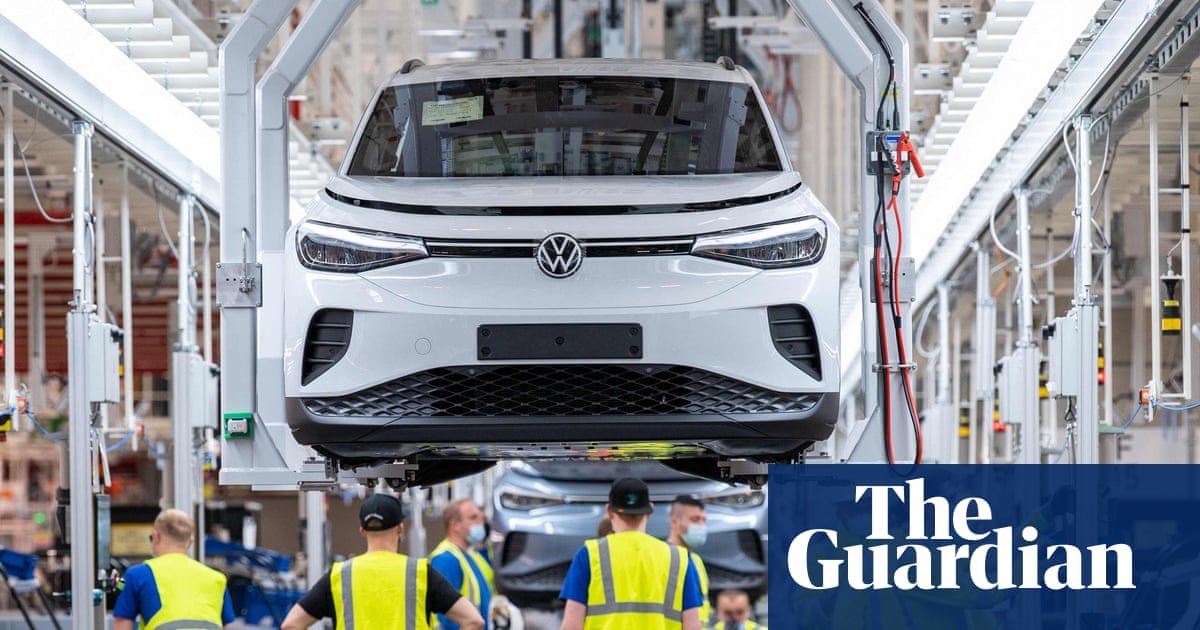
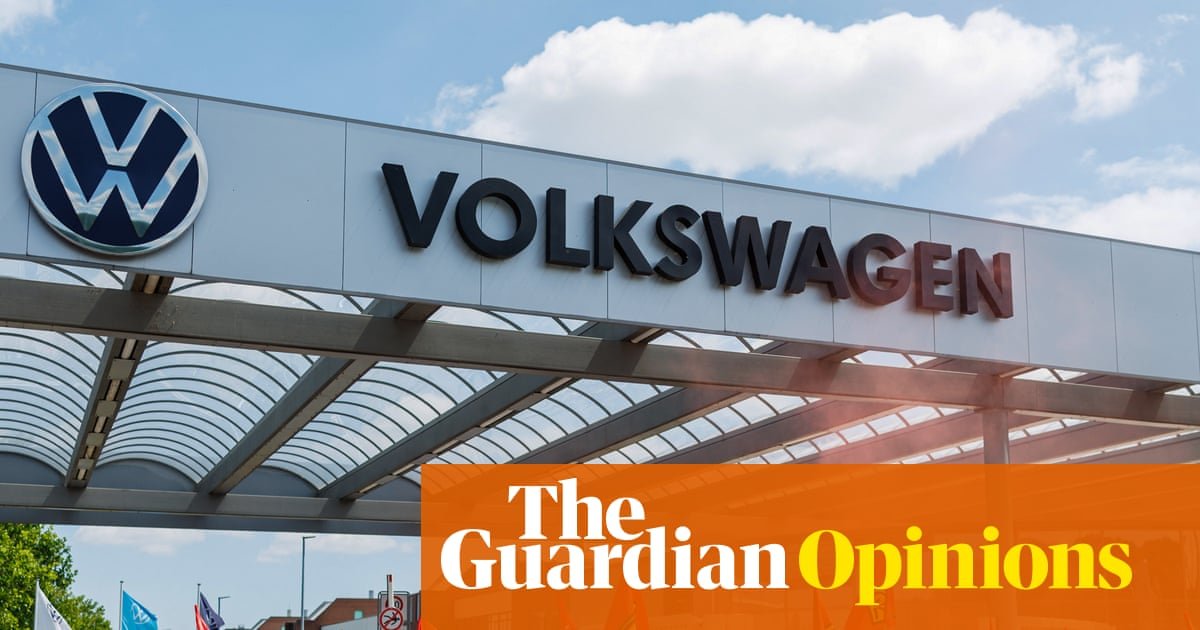
The gravity of the threat was grimly evident in the car industry last week, as Volkswagen’s supervisory board met to discuss radical proposals to cut 100,000 jobs – around a sixth of the company’s global workforce – and close plants. Taking into account indirect as well as direct employment, the automotive sector is responsible for around 3m jobs in Germany. But manufacturers in the country’s flagship industry have found themselves in a triple bind.
Within the EU, heavily subsidised cheap competition from China is having a devastating effect in the electric vehicle market, despite the imposition of duties on Chinese EVs. Outside it, Donald Trump’s tariffs have led to car sales to the US nosediving, and China now imports a negligible proportion of vehicles for its domestic market. In other countries, the battle with China for market share takes place on the same hugely unlevel playing field. Volkswagen also admits to high costs and technological missteps.
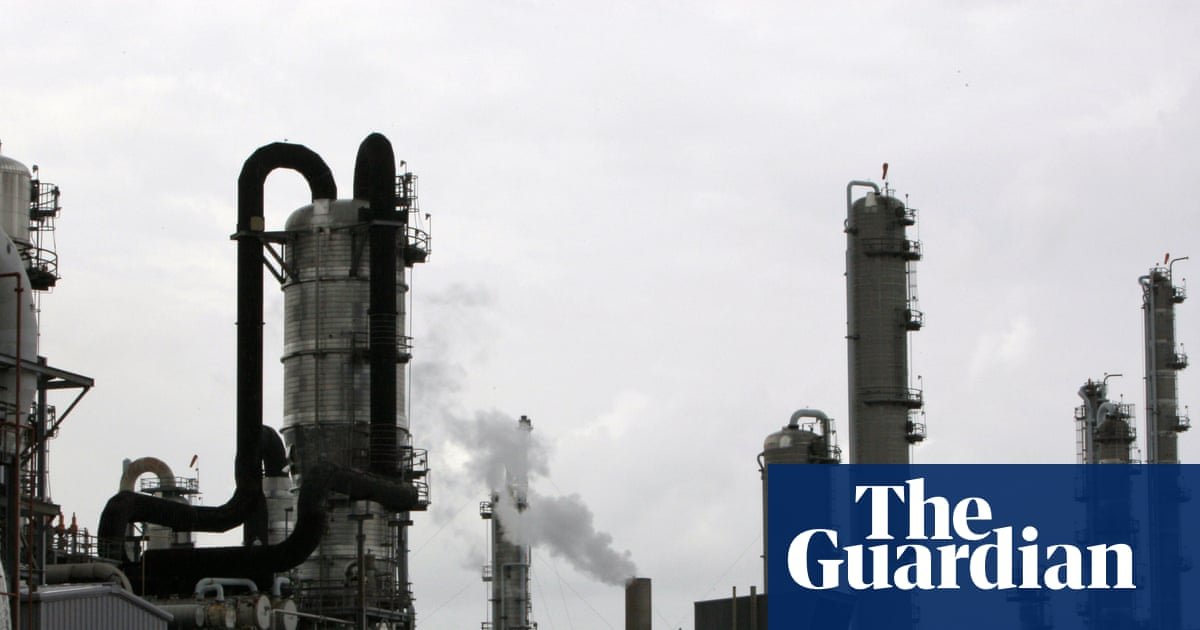
Similarly unpromising dynamics are playing out in industries such as chemicals and aircraft manufacture, as Europe struggles to agree on an industrial strategy to protect and develop key sectors. The EU’s commissioner for industry, Stéphane Séjourné, has talked of the potential VW job losses as a wake-up call, underlining “the urgency to act decisively to protect our markets from unfair practices from our global competitors”. Yet the EU’s prospective Industrial Accelerator Act (IAA), which could release billions of euros in annual subsidies and public-procurement spending, is behind schedule and may not be signed off by the end of the year.

The delay is partly caused by the reservations of countries such as Germany, which has relied heavily on exports and is fearful of the retaliatory response to a robust “Made in Europe” strategy. The centre-right chancellor, Friedrich Merz, is emphasising a more economically liberal approach, unveiling a growth package earlier this month dedicated to cutting red tape, diluting workers’ rights and raising the retirement age.
Those are the wrong priorities. As the far right continues to profit from growing resentment linked to declining living standards, Europe’s future flourishing will not be secured by undermining its social model. The EU has cards to play as it seeks to nurture its own industries in the same way that China has done and continues to do. No longer able to rely on easy access to the US market, and continuing to suffer from weak domestic demand, it is ultimately in Beijing’s interests to acquiesce to a fairer and more sustainable relationship. That discussion should begin in earnest alongside the passing of the IAA.
Last week, there were protests at 18 VW sites across Germany as the company’s workers geared up for a struggle over its future that will resonate across the continent. Brussels and national EU governments can no longer afford to sit tight and hope that the new, harsher winds in the global economy will blow over. A reaction – one clearly visible to workers in Europe’s threatened industries – is overdue.
Do you have an opinion on the issues raised in this article? If you would like to submit a response of up to 300 words by email to be considered for publication in our letters section, please .