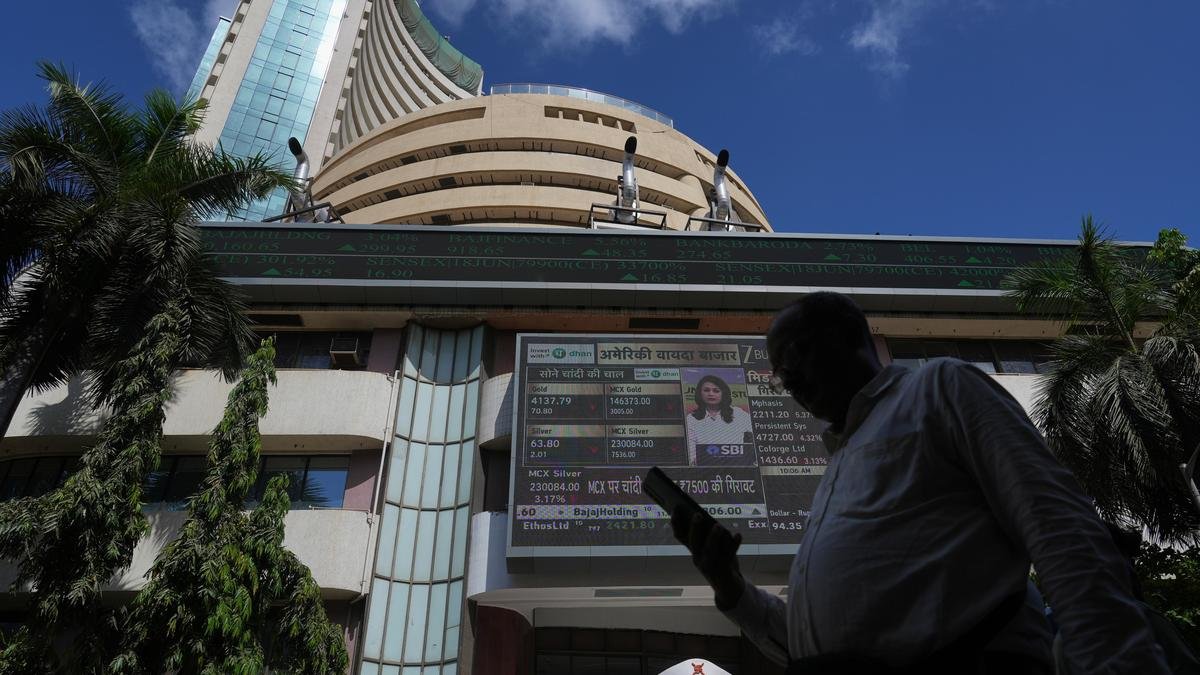
‘Existing academic work has established an impact from online search activity and online news on sovereign yields.’ Photograph: Panther Media Global/Alamy ‘Existing academic work has established an impact from online search activity and online news on sovereign yields.’ Photograph: Panther Media Global/Alamy Letters The truth about the next prime minister and the bond markets Google search activity shows Andy Burnham has not put any upward pressure on borrowing costs, says Prof Costas Milas “Believe Westminster, and the bond vigilantes are the ever-present, always hovering threat to political stability,” writes Aditya Chakrabortty (It’s not the bond markets Andy Burnham should be afraid of.
It’s his own MPs, 25 June).
Indeed, there is unnecessary scaremongering regarding how bond vigilantes are reacting or will react to Andy Burnham’s economic policies.
It all boils down to the Athenian statesman and orator Demosthenes, who noted 2,400 years ago that a state’s reputation is key to driving down the cost of borrowing and that therefore we should “maintain our character of being trustworthy” in all events.
In practice, however, there is no evidence that Burnham is agitating markets.
Existing academic work has established an impact from online search activity and online news on sovereign yields; think, for instance, how Grexit talk raised Greek yields during the eurozone crisis.
A close inspection of Google search activity and news on Burnham and its relationship to movements in the UK’s 10-year interest rate over the past two months confirms that he has not put upward pressure on our borrowing costs.
But since the financial markets are watching carefully, Burnham should explain in detail how additional borrowing, if he decides to go for it, would be used to finance growth-enhancing policies.Prof Costas MilasUniversity of Liverpool Explore more on these topicsAndy Burnham Financial sector Bonds Economic policy Classics and ancient history Greece letters Share Reuse this content