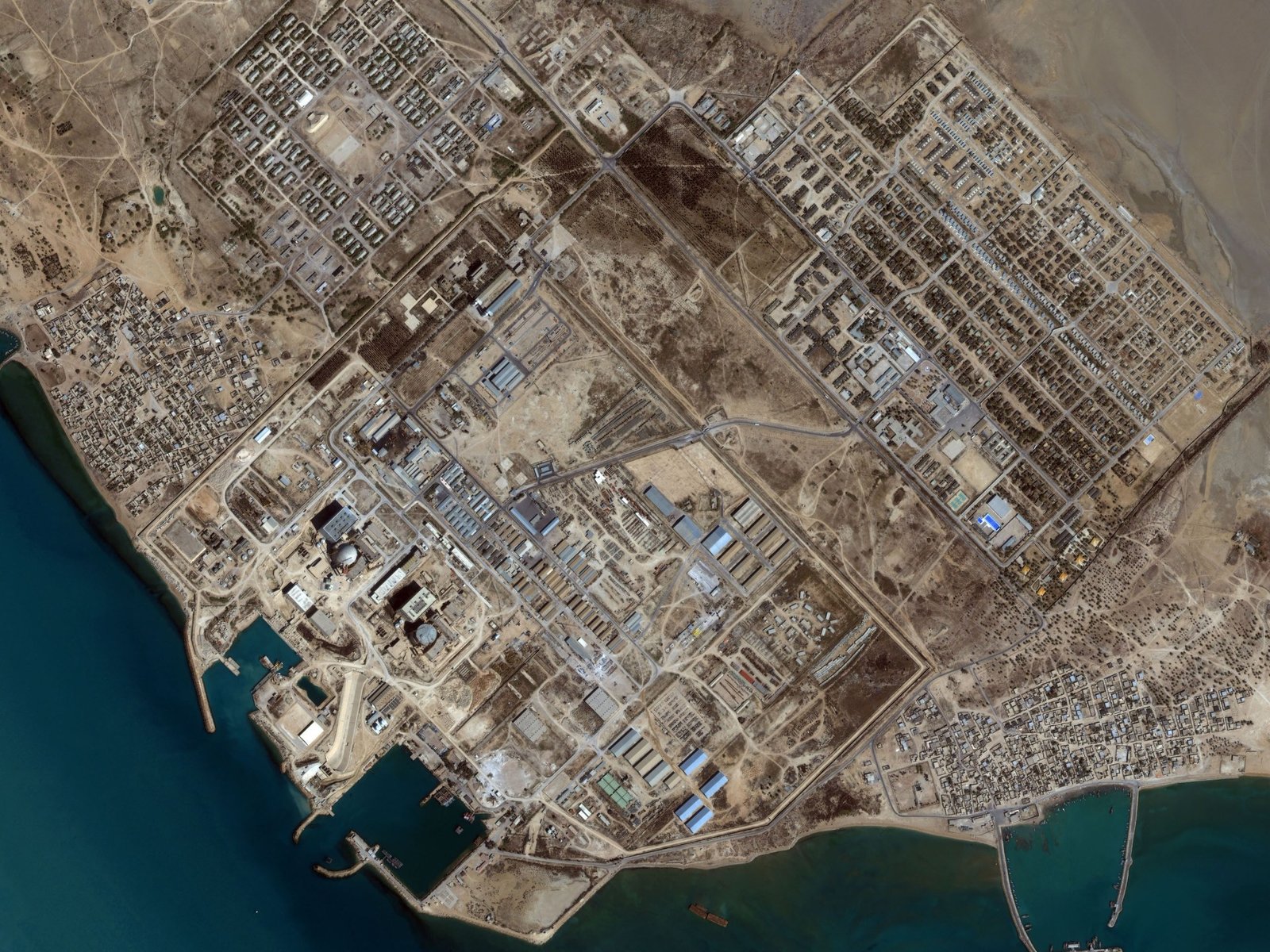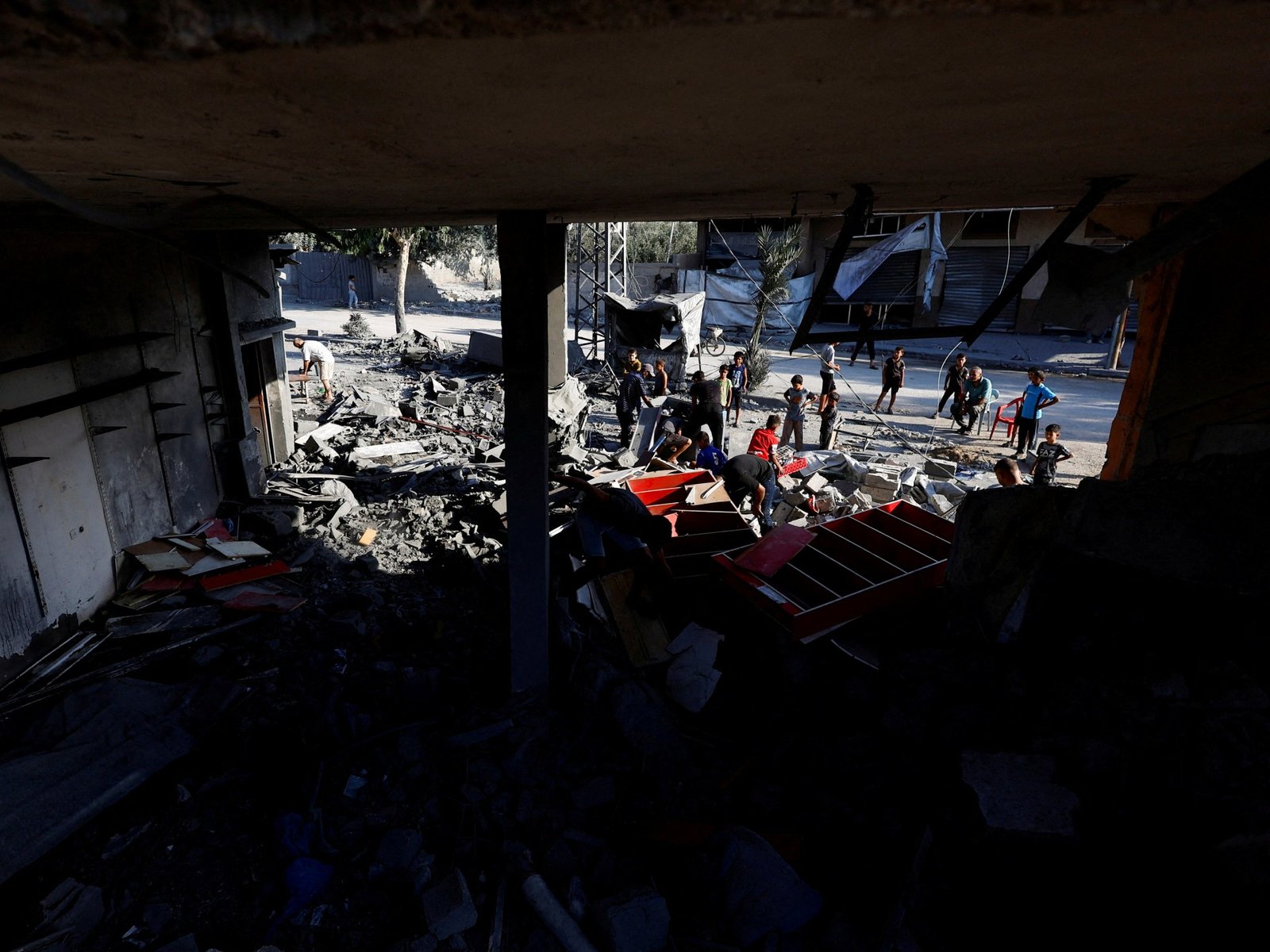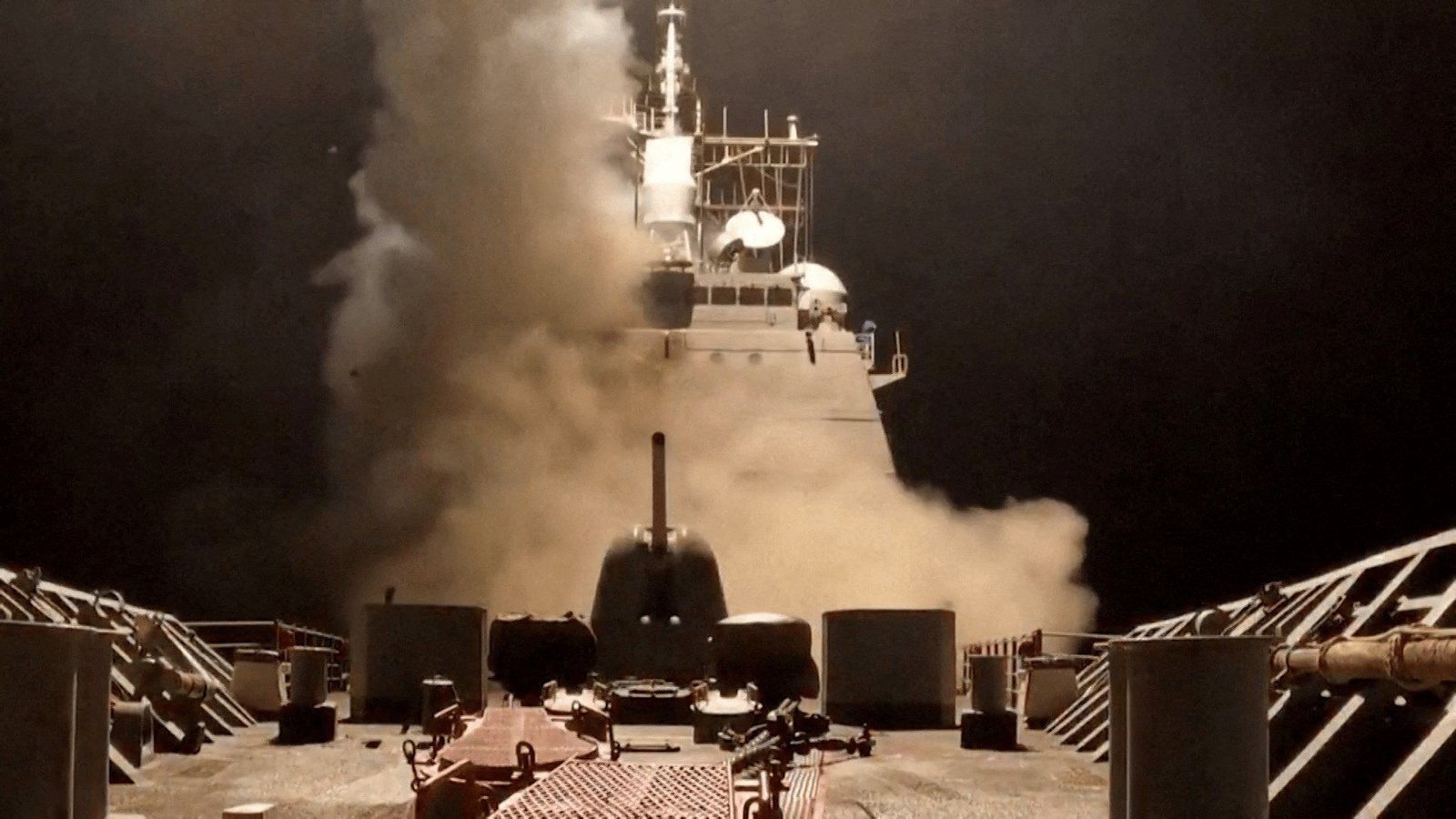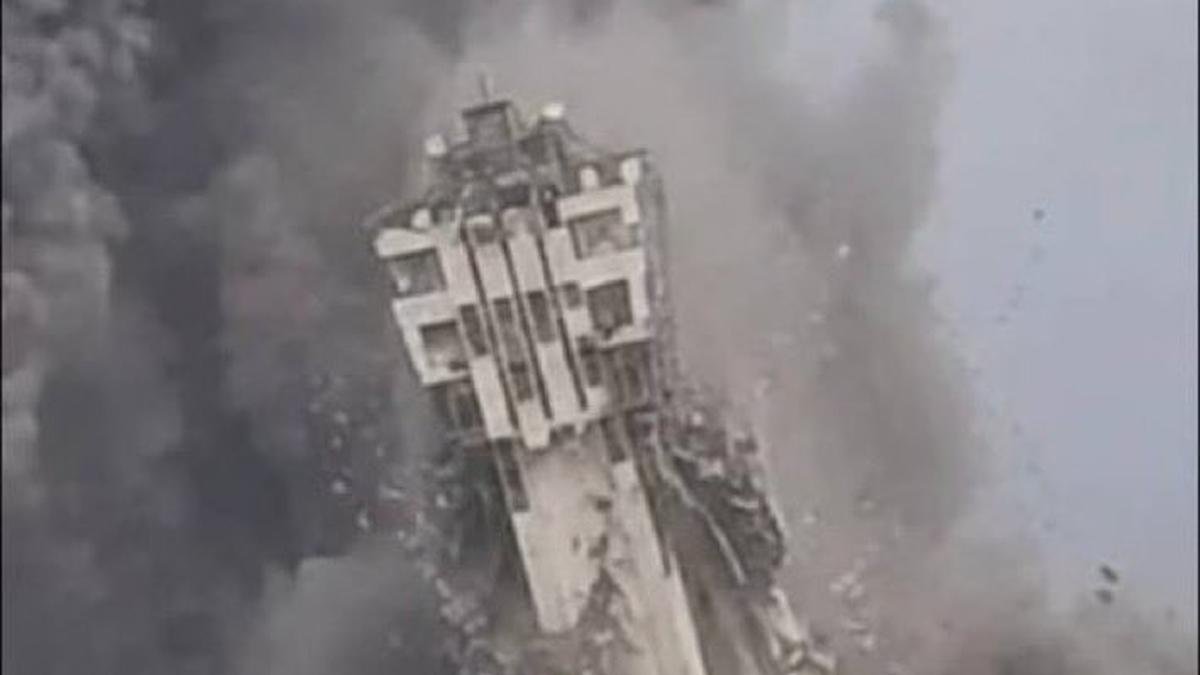
U.S. airstrikes on Friday (July 17, 2026) appeared to have collapsed a tower at Iran's Chabahar port on the Gulf of Oman, but India sought to clarify that the Shahid Beheshti terminal that it operates at the Chabahar port in Iran has not faced any damage.
U.S. Defence Secretary Pete Hegseth shared the image of the surveillance tower appearing to collapse. That image had circulated social media via activists prior to Mr. Hegseth sharing it. Chabahar port has been a repeated target of American airstrikes. Iranian state media acknowledged a third round of strikes on the facility without immediately acknowledging the tower's collapse.
West Asia LIVE updates - July 17, 2026
Iran described the tower as overseeing commercial traffic into the port. However, Iran's paramilitary Revolutionary Guard also operates at ports across the country.
The Chabahar port is being developed by India and Iran to boost connectivity and trade ties. Both countries are also strongly pitching for making Chabahar port an integral part of the International North-South Transport Corridor (INSTC).
The US waiver from its sanctions on Chabahar had come to an end in April.
“There was a waiver which was given by America and that waiver got over some time back. Post that, we have been in discussion with relevant stakeholders as to how to take this particular issue forward,” External Affairs Ministry spokesperson Randhir Jaiswal said.
“On the question of it being attacked, yes, we have seen some reports in that regard, but we can also tell you that the terminal itself did not face any damage,” he said.
Mr. Jaiswal was responding to a question on the U.S. attacks on the Chabahar port.
It has two terminals — Shahid Beheshti and Shahid Kalantari. India was operating the Shahid Beheshti.
The spokesperson also reiterated India’s position on the ongoing hostilities in West Asia.
The civilian infrastructure should not be targeted under any circumstances, he said.
Chabahar provides India with direct access to Afghanistan, bypassing Pakistan, which denies India land transit routes. It enhances India’s trade routes and reduces dependence on traditional maritime chokepoints.
The INSTC is a 7,200-km-long multi-mode transport project for moving freight among India, Iran, Afghanistan, Armenia, Azerbaijan, Russia, Central Asia and Europe.