Rolling coverage of the latest economic and financial news
8m agoInflation slowdown may be 'false dawn', businesses warn
19m agoGovernment has 'much more to do' to help with cost of living, says chancellor
24m agoIntroduction: UK inflation drops faster than expected
Businesses are not optimistic that a slowdown in inflation will last. Martin Sartorius, lead economist at the Confederation of British Industry (CBI), predicts that inflation will ramp up over the coming months.
We expect this easing will prove temporary. Inflationary pressures are likely to firm over the next few months, reflecting the ongoing impact of the Iran conflict on energy bills and some passthrough to domestic prices. Renewed tensions in the Middle East mean that households and businesses will continue to face an uncertain and volatile outlook as we head towards autumn. We anticipate the Bank of England’s Monetary Policy Committee to keep interest rates unchanged when it meets next week, as it maintains a ‘wait and see’ approach to the economy. Although risks remain elevated, a loosening labour market, soft domestic activity, and tighter financial conditions mean that the Committee is unlikely to raise rates in the near term.
We expect this easing will prove temporary. Inflationary pressures are likely to firm over the next few months, reflecting the ongoing impact of the Iran conflict on energy bills and some passthrough to domestic prices. Renewed tensions in the Middle East mean that households and businesses will continue to face an uncertain and volatile outlook as we head towards autumn.
We anticipate the Bank of England’s Monetary Policy Committee to keep interest rates unchanged when it meets next week, as it maintains a ‘wait and see’ approach to the economy. Although risks remain elevated, a loosening labour market, soft domestic activity, and tighter financial conditions mean that the Committee is unlikely to raise rates in the near term.
Suren Thiru, chief economist at the accounting body ICAEW describes the inflation slowdown as a “false dawn”.
June’s slowdown is a false dawn as it may have already been reversed this month with higher energy bills, following Ofgem’s energy price cap rise, likely to have lifted inflation above 3%. Though stubborn services and core inflation suggest that the UK remains exposed to the inflationary fallout from the Iran war, weaker wage growth and a sluggish economy will help blunt any second‑round effects. Renewed US–Iran hostilities have reignited inflation fears, with rising oil prices and supply chain pressures putting the prospect of inflation touching 4% later this year back on the table, despite October’s VAT cut on electricity bills. Elevated inflation will likely become a more notable economic headache for the new chancellor in the coming months by deepening the cost‑of‑living crunch, while also squeezing his fiscal headroom, raising borrowing costs, and increasing financial market volatility. These benign figures quash any lingering prospect of a July rate rise, particularly as rate-setters may want to assess the impact of any measures announced by the new Prime minister before deciding whether to tighten policy again.
June’s slowdown is a false dawn as it may have already been reversed this month with higher energy bills, following Ofgem’s energy price cap rise, likely to have lifted inflation above 3%.
Though stubborn services and core inflation suggest that the UK remains exposed to the inflationary fallout from the Iran war, weaker wage growth and a sluggish economy will help blunt any second‑round effects.
Renewed US–Iran hostilities have reignited inflation fears, with rising oil prices and supply chain pressures putting the prospect of inflation touching 4% later this year back on the table, despite October’s VAT cut on electricity bills.
Elevated inflation will likely become a more notable economic headache for the new chancellor in the coming months by deepening the cost‑of‑living crunch, while also squeezing his fiscal headroom, raising borrowing costs, and increasing financial market volatility.
These benign figures quash any lingering prospect of a July rate rise, particularly as rate-setters may want to assess the impact of any measures announced by the new Prime minister before deciding whether to tighten policy again.
The new chancellor John Healey has said that while a falling rate of inflation is welcome news, there is still much more the government should do to help.
He said in a statement this morning:
Falling inflation is news families want to hear but there is much more to do to give people the breathing space they need. That is why yesterday we cut VAT on electricity bills and today we’re announcing a £2 cap on bus fares from January. We have chosen to focus on the cost of living in our first week, signalling that concern for working people will be at the heart of everything we do. Both these changes are a win-win. They help keep inflation down, while helping people afford the essentials.
Falling inflation is news families want to hear but there is much more to do to give people the breathing space they need.
That is why yesterday we cut VAT on electricity bills and today we’re announcing a £2 cap on bus fares from January. We have chosen to focus on the cost of living in our first week, signalling that concern for working people will be at the heart of everything we do.
Both these changes are a win-win. They help keep inflation down, while helping people afford the essentials.
Burnham’s government announced the cut on VAT on electricity bills yesterday, in a move that is expected to reduce bills by an average of £45 a year from October.
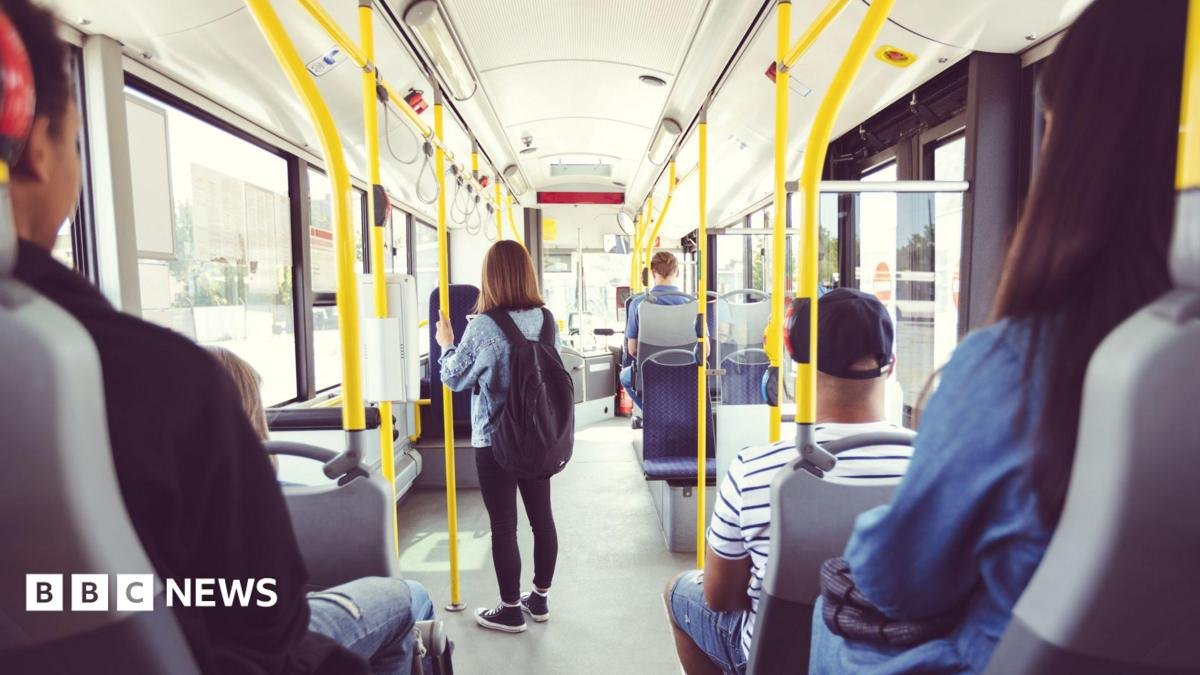
And this morning, Burnham announced that single bus fares across England will be capped at £2 from January.
The nationwide cap is currently set at £3 until the end of March 2027 although some areas – including London and Greater Manchester, where Burnham set a £2 limit as mayor – have lower top rates for single tickets.
Good morning, and welcome to our rolling coverage of business, the financial markets and the world economy.
Some welcome news to kick off the day: inflation in the UK slowed in June to 2.6%.
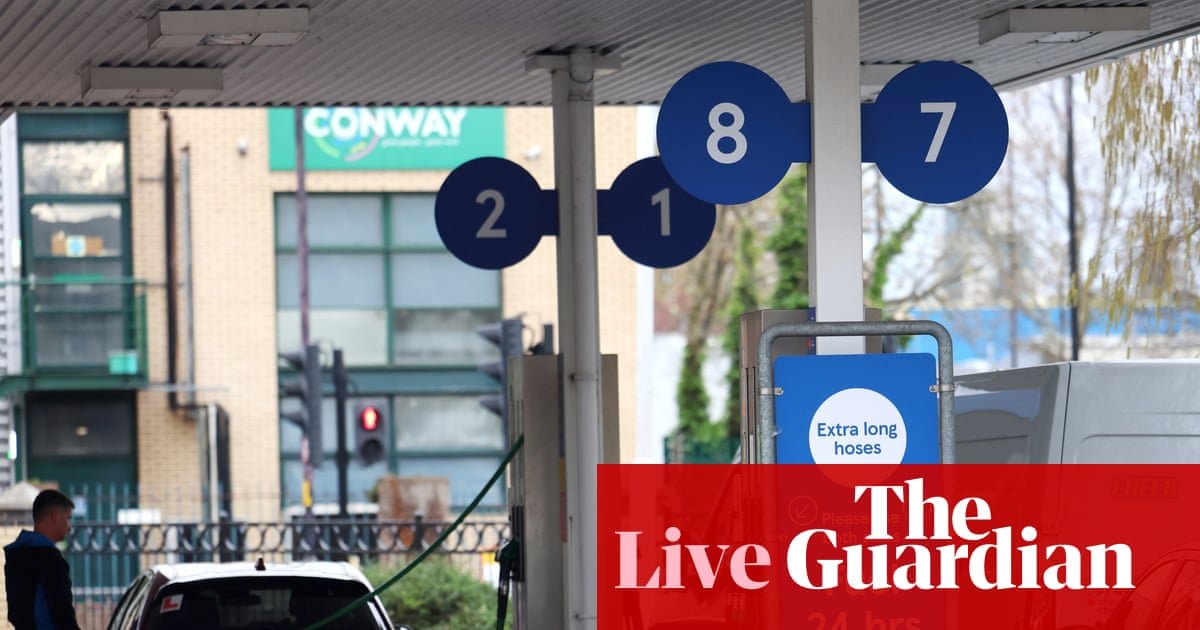
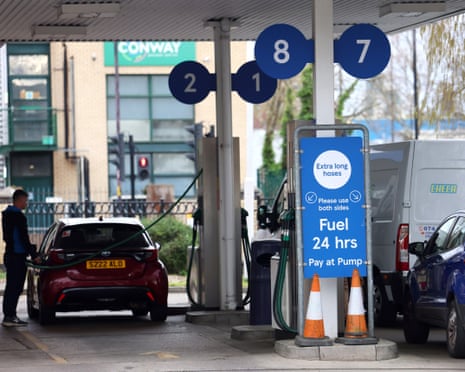
Economists had expected that the consumer price index would fall to 2.7%, down from 2.8% in May. But the rate has fallen more than expected, partly thanks to a drop in motor fuel prices, particularly diesel, according to the Office for National Statistics.
Grant Fitzner, chief economist at the ONS, said:
Food prices fell this month, driven by products including chocolate, margarine and beef. Clothing prices also fell with the start of summer sales, with bigger discounts than last year. The cost of raw materials dipped for the first time since January, mainly due to the lower price of crude oil, while the increase in the costs of goods leaving factories slowed again.
Food prices fell this month, driven by products including chocolate, margarine and beef. Clothing prices also fell with the start of summer sales, with bigger discounts than last year.
The cost of raw materials dipped for the first time since January, mainly due to the lower price of crude oil, while the increase in the costs of goods leaving factories slowed again.
But analysts are warning that there is still a risk inflation could ramp up this year, as conflict in the Middle East continues.
George Brown, senior economist at Schroders, said:
Lower fuel prices applied the brakes to inflation in June, but this rear-view mirror picture doesn’t tell us much. With oil prices rising again amid renewed tensions in the Middle East, there could be inflation issues further down the road. For the Bank of England, the crucial question is whether this remains an energy shock or becomes a domestic inflation problem. So far, a cooling labour market suggests there is little risk of the sort of second-round effects that would warrant tighter monetary policy. That should allow policymakers to keep a steady hand on the wheel. While markets are pricing more than two rate hikes over the next year, we think the Bank can stay on hold as it gauges whether the latest energy shock is just a temporary bump in the road or something more persistent.”
Lower fuel prices applied the brakes to inflation in June, but this rear-view mirror picture doesn’t tell us much. With oil prices rising again amid renewed tensions in the Middle East, there could be inflation issues further down the road.
For the Bank of England, the crucial question is whether this remains an energy shock or becomes a domestic inflation problem. So far, a cooling labour market suggests there is little risk of the sort of second-round effects that would warrant tighter monetary policy.
That should allow policymakers to keep a steady hand on the wheel. While markets are pricing more than two rate hikes over the next year, we think the Bank can stay on hold as it gauges whether the latest energy shock is just a temporary bump in the road or something more persistent.”
Still, the slowdown in inflation will likely be welcomed by the new team in Downing Street, as Andy Burnham promises to provide more cost f living support.
The agenda
7am BST: UK inflation for June
7am BST: Wetherspoon Q4, Reach half-year results
9pm BST: Alphabet Q4 results