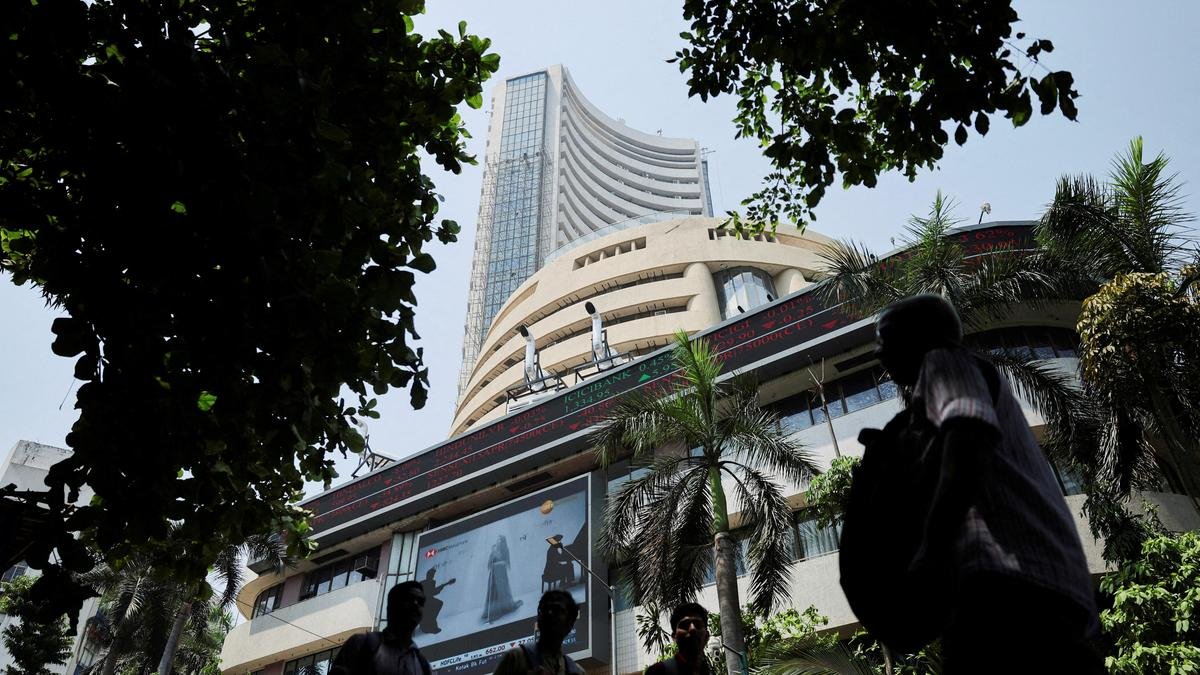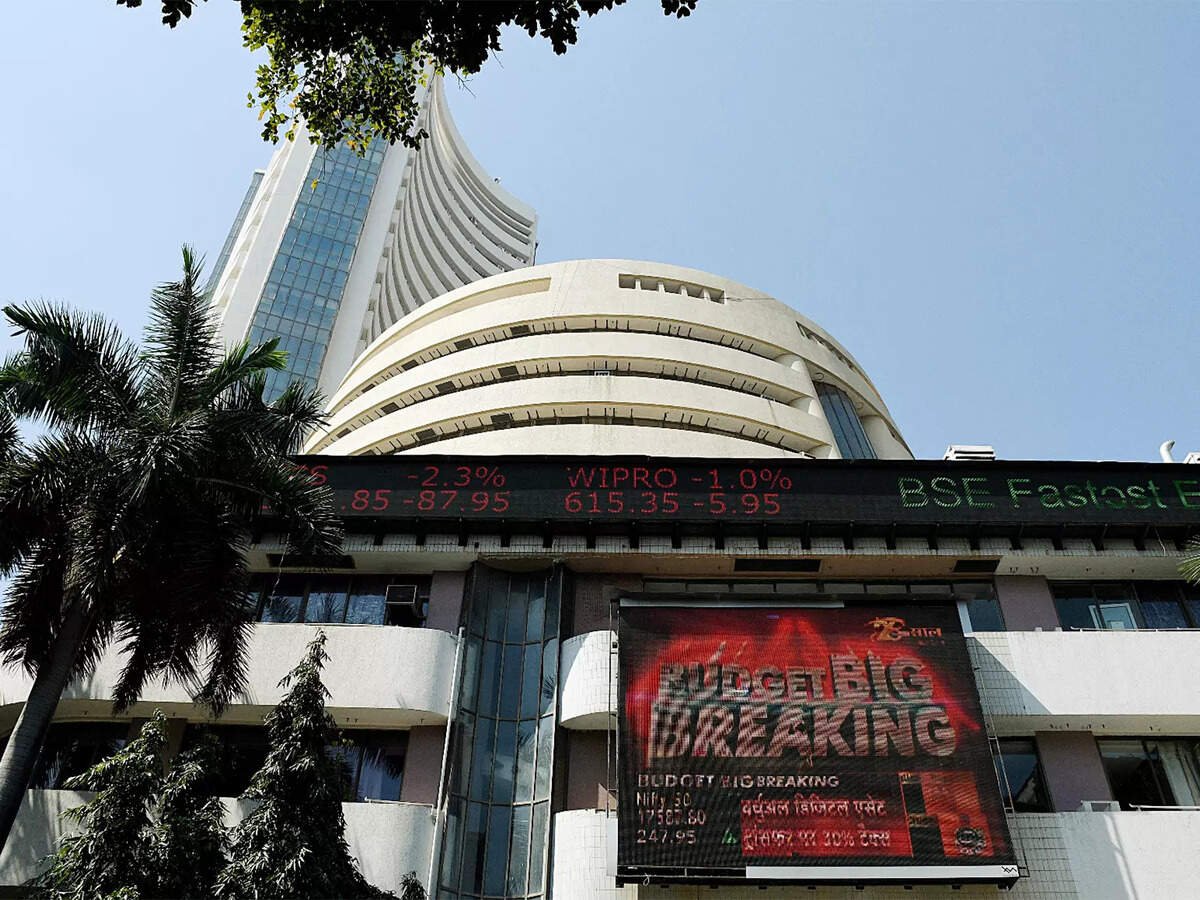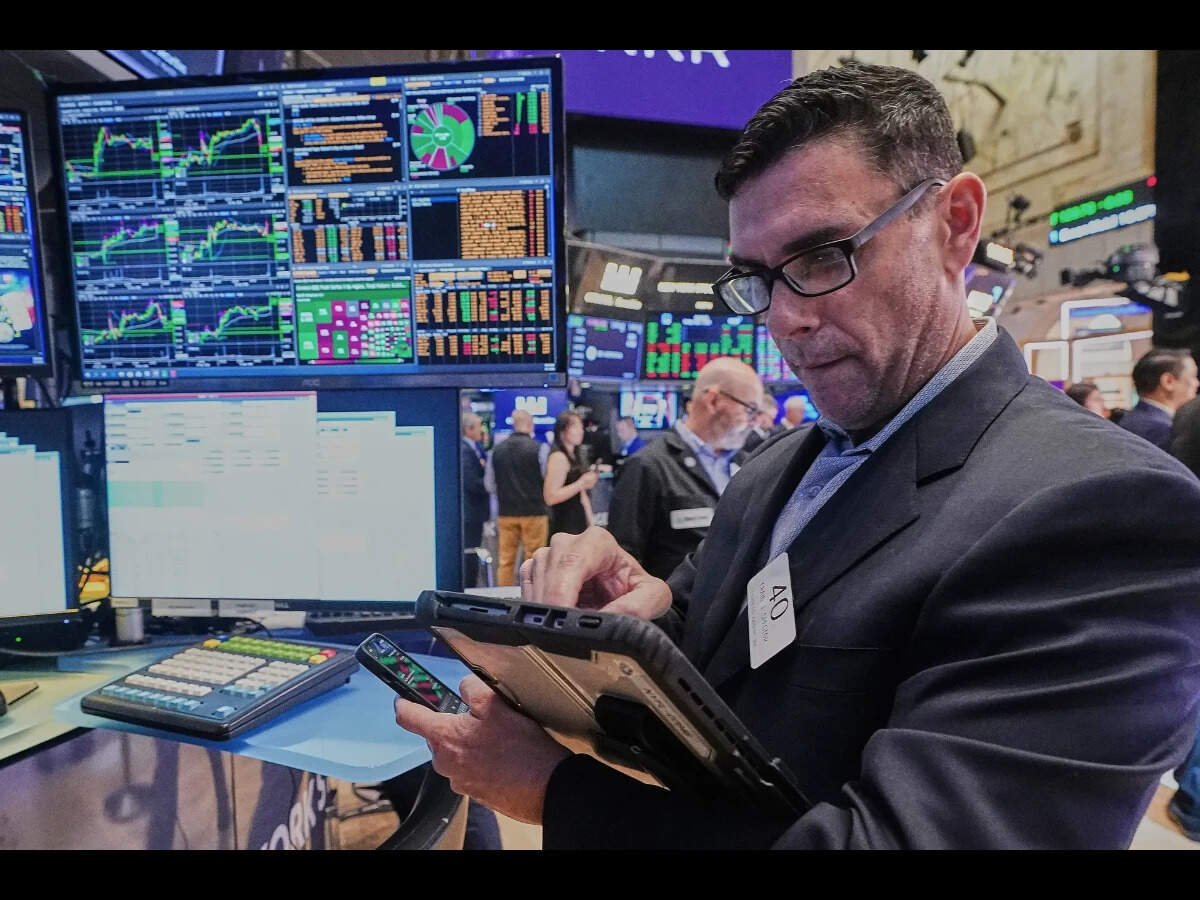
Wall Street’s main indexes traded lower on Thursday as a deepening bond-market selloff pushed Treasury yields to multidecade highs, overshadowing gains in software stocks, Reuters reported.
Although enthusiasm over artificial intelligence continues to support US equities, surging Treasury yields are testing investors’ appetite for richly valued shares as inflation and government borrowing keep interest-rate concerns in focus.
Global bond markets faced renewed selling pressure, with the benchmark 10-year Treasury yield reaching 5.3445%, its highest level since 2002. The move came a day after Treasuries recorded their worst quarter since 1994.
“When a safe government bond pays more than 5%, stocks have to earn their keep. Company profits become the whole story,” said Brian Jacobsen, chief economist at Annex Wealth Management, according to Reuters. “Third-quarter earnings reports start in mid-October. They are the next big test.”
Interest-rate-sensitive stocks declined, with housing shares falling 1.4% and banks losing 2.2%. Bond-proxy sectors, including real estate, utilities and consumer staples, also traded lower.
The Cboe Volatility Index, widely regarded as Wall Street’s fear gauge, climbed to a two-week high and was last at 17.23.
Technology provided a pocket of strength as software stocks rallied following Accenture’s results and forecast. The consulting company surged 22% after forecasting stronger-than-expected full-year revenue growth. Rival Cognizant jumped 10%, while IBM gained 4.2%.
The S&P 500 software index rose 1.7% to its highest level since November, outperforming the broader technology sector’s 0.3% gain.
“A lot of institutions feel they’re underinvested in software. That was clearly the case with Accenture, and investors are quickly reevaluating their views on the company,” Steve Sosnick, chief market analyst at Interactive Brokers, told Reuters.
Micron Technology’s better-than-expected revenue forecast and $32 billion in customer commitments under supply agreements reinforced confidence in the AI trade. Its shares, however, slipped about 0.9% after nearly quadrupling this year.
At 10:27 a.m. ET, the Dow Jones Industrial Average was down 231.69 points, or 0.46%, at 50,674.36. The S&P 500 lost 15.85 points, or 0.22%, to 7,635.69, while the Nasdaq Composite fell 18.52 points, or 0.07%, to 26,842.55.
Wall Street endured a volatile September. The S&P 500 and Dow posted monthly losses during what has historically been a weak period for equities, while enthusiasm around AI helped the Nasdaq finish higher.
Softer-than-expected inflation data strengthened expectations that the Federal Reserve would leave rates unchanged in October, with traders pricing in a 63% chance of a pause. A December increase remained possible as inflation stayed above the Fed’s 2% target.
Weekly jobless-claims data pointed to continued labour-market resilience, with applications for unemployment benefits declining and layoffs easing in September.
Minneapolis Fed President Neel Kashkari, however, said the job market was not a primary driver of inflation and that labour-market pain would not be necessary for the central bank to meet its inflation goal.
Remarks from Fed officials Thomas Barkin, Christopher Waller, Philip Jefferson, Michelle Bowman and Lorie Logan could provide further clues about the policy outlook.
Among other stocks, Constellation Energy rose 3% after the utility signed a 20-year power-purchase agreement with Amazon.com. Declining stocks outnumbered advancers by 2.48 to 1 on the NYSE and by 1.86 to 1 on the Nasdaq.
The S&P 500 recorded three new 52-week highs and 35 new lows, while the Nasdaq Composite posted 17 new highs and 171 new lows.