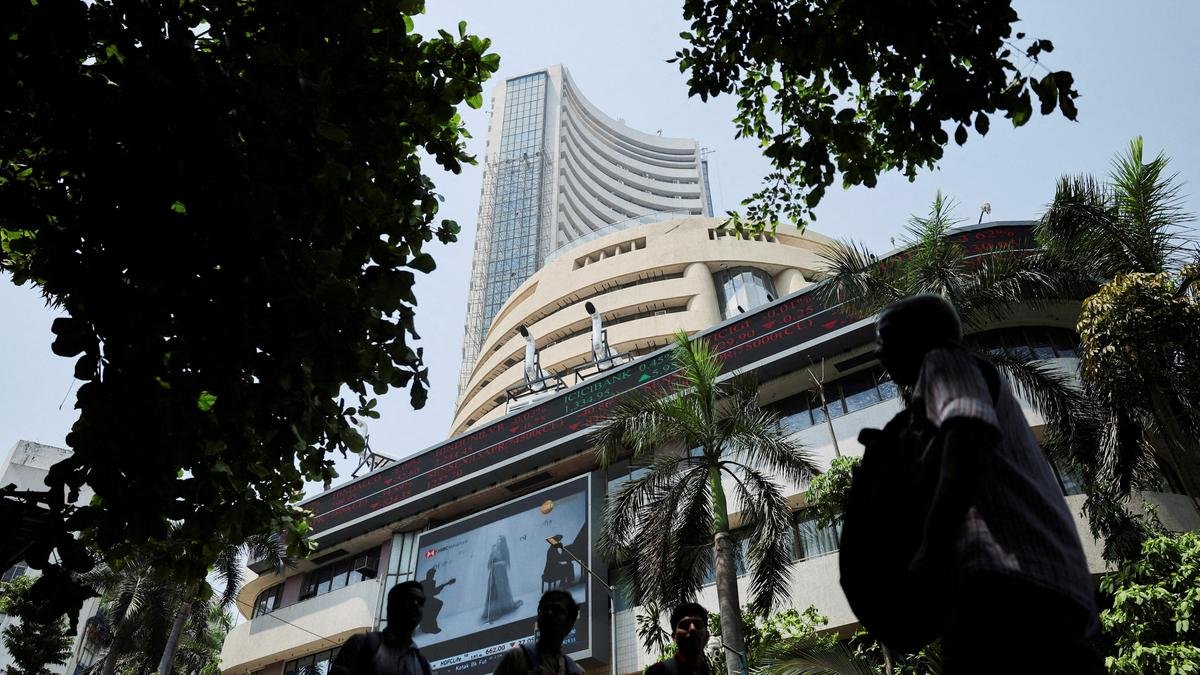
Why did market crash today?
5 key factors behind Rs 5 lakh crore wipe out TIMESOFINDIA.COM Stock Market Crash Today Synopsis Stock market Crash Reason: The Indian stock market endured a notable downturn, with both Sensex and Nifty witnessing considerable drops.
In a single day, Foreign Institutional Investors offloaded equities worth more than Rs 10,000 crore.
The climb in bond yields added to negative investor sentiment, exacerbating market volatility.
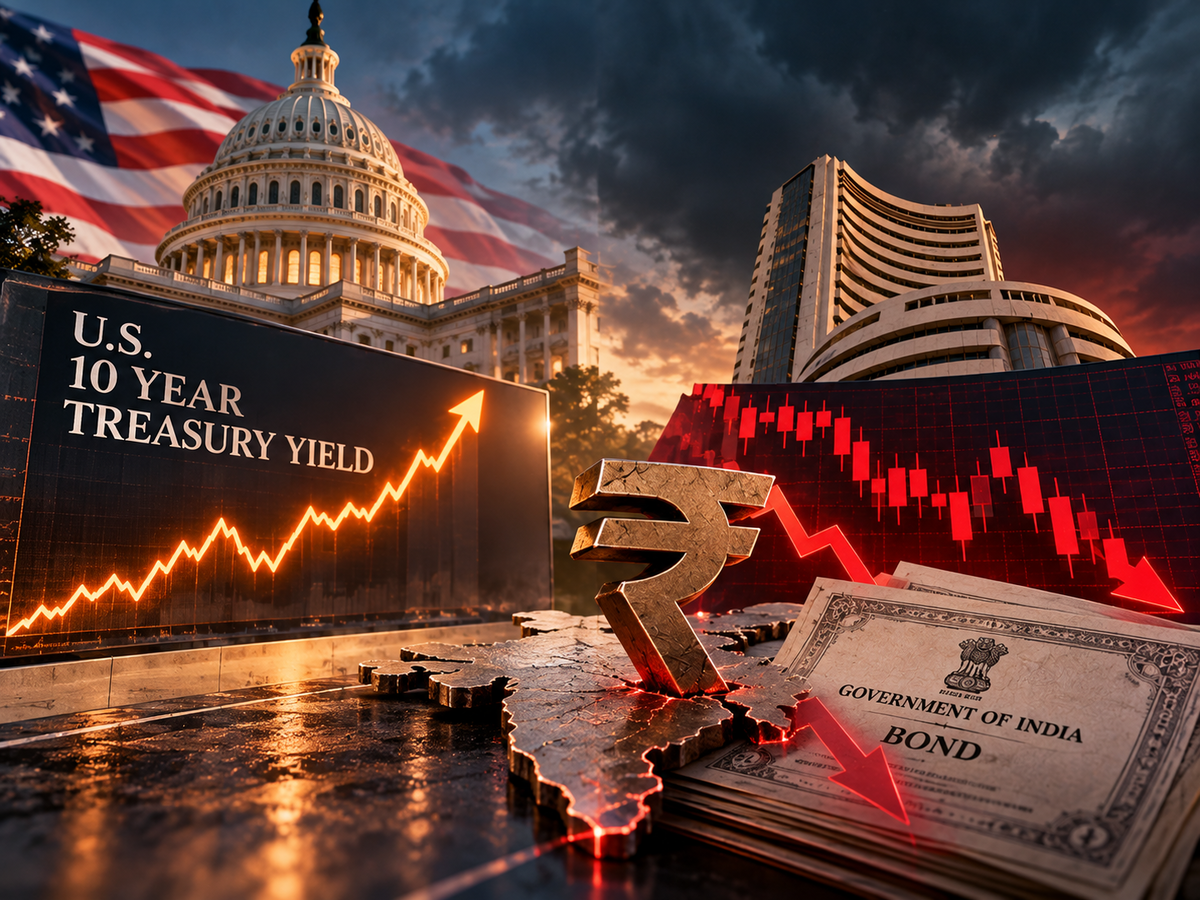
Additionally, the rupee weakened against the dollar, pushed down by soaring Treasury yields.
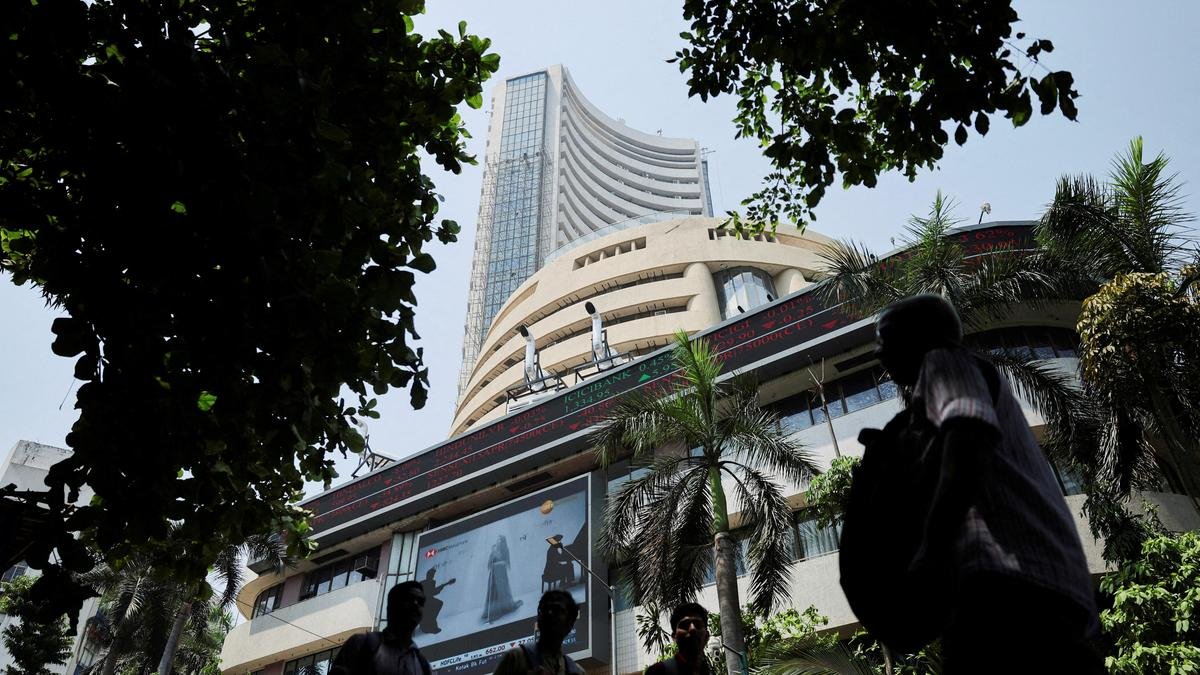
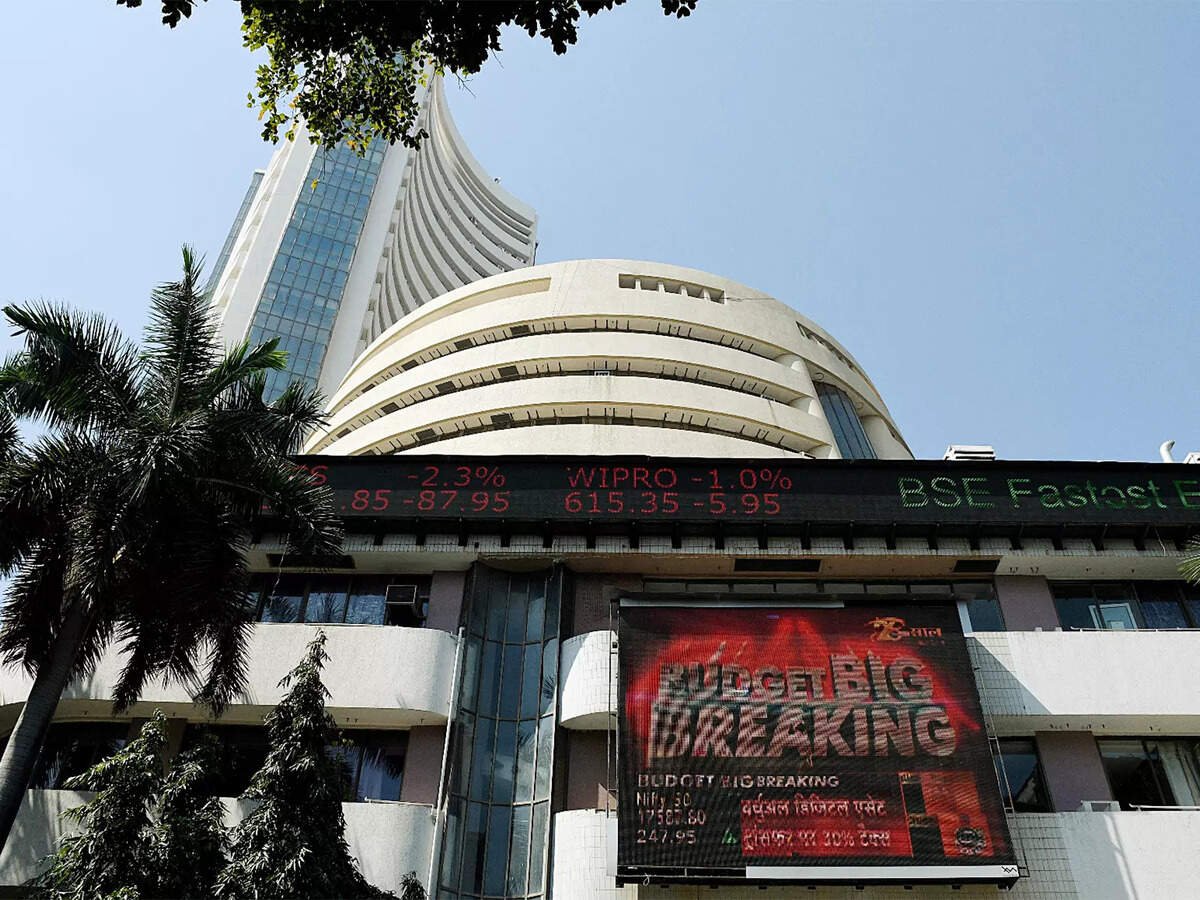
By Debaroti Adhikary, ETMarkets.com XPeers Last Updated: Oct 01, 2026, 03:51:00 PM IST 11 Follow us The Indian stock market plunged sharply on Thursday, with Sensex hitting a fresh 52-week low and Nifty breaching key technical levels as massive FII outflows, soaring bond yields and other factors spooked investors for the fourth consecutive session.ADVERTISEMENT After plunging more than 1.5% each, Sensex and Nifty recovered some losses late in the afternoon, but still closed deep in the red.
The selloff wiped off Rs 5 lakh crore from the total market capitalisation of all companies listed on BSE, dragging it down below Rs 467 lakh crore.During the day, the Sensex had crashed as much as 1,200 points to hit a fresh 52-week low of 71,292.
The Nifty 50 had dropped nearly 400 points to slip below 22,300, wiping out around Rs 10 lakh crore in market wealth at the day's low.
Maruti Suzuki shares dropped 5% to lead losses on Sensex, while M&M, Tata Steel, Adani Ports and ITC shares fell around 3% each.
Power Grid, HUL, Eternal, L&T, Reliance Industries, NTPC, BEL and UltraTech Cement meanwhile fell around 2% each.
IT stocks however bucked the trend to record sharp gains, with Infosys jumping more than 4%.
Broader markets plunged deeper, with Nifty Midcap 100 and Nifty Smallcap 100 indices crashing around 1% each.
This came as India VIX, which measures volatility in the market, spiked over 7% to 14.44 as the selloff intensified in the afternoon.Among the sectors, Nifty Auto crashed more than 3% to lead losses, while Nifty Metal, Nifty FMCG and Nifty Consumer Durables fell around 2% each.
The overall market breadth remained negative, with NSE seeing 1,023 advances against 2,574 declines, with 110 stocks remaining unchanged.ADVERTISEMENT
A similar quantum of selling was seen in the day before, when FIIs sold Rs 10,743 crore worth of Indian equities on Tuesday.ADVERTISEMENT ADVERTISEMENT This takes the total FII selloff this week till Wednesday to a whopping Rs 26,000 crore.
Such massive FII selling sharply dampens investor sentiment.
“We do not believe FIIs will return in large numbers even after the AI trade peaks,” Bernstein said, adding that a structural revival would require India to create “new engines of competitiveness, innovation, and global relevance.”
FIIs accelerate selling as Nifty, Sensex set to fall for 8th week running.
Will they make a comeback?ADVERTISEMENT 2) Bond yields soar Bond yields continued to soar further as the bond selloff intensified.
The benchmark 10-year Treasury yield rose as high as 5.31%, its highest level since 2007, after having climbed more than 87 basis points during the September quarter to mark its biggest quarterly increase since 1994, according to LSEG data cited by Reuters.The 30-year Treasury yield also climbed above 5.65%, reaching its highest level since 2002.
Soaring bond yields typically make debt markets more attractive to investors, which in turn puts pressure on the riskier equity markets.
Bond yields move inversely to bond prices, so the soaring yields reflect a sharp selloff in bonds.ADVERTISEMENT 3) Rupee tumbles to two-month low Rupee dropped to its weakest level in two months as the dollar index hit a more than three-month high on rising U.S.
Treasury yields.
The Indian currency ended the session 0.5% lower at 96.3150 against the American greenback, marking its sharpest single-day fall in more than two months after it breached the key psychological barrier of 96 even as dollar sales by state-run banks limited its fall, as reported by Reuters.4) Auto stocks plunge The downturn in Sensex and Nifty also came as heavyweight auto stocks plunged after weak auto sales data for the month of September despite a low base failed to impress the market.
M&M and Maruti Suzuki shares are currently among the top losers on the market.While most of the automakers recorded a rise in auto sales when compared to September 2025, the numbers mostly didn’t meet expectations as the low base data for September 2025 was driven by many customers delaying their purchases ahead of the government’s GST reforms.
What went wrong?5) Key technical levels breached The sharp downturn in the market may have been exacerbated after the benchmark indices breached key technical levels.
After Nifty closed at 22,620 yesterday, Hemang Gor, Senior Research Analyst of Derivatives and Technical Research, had noted that the benchmark index’s first support level lies at 22,500.The technical analyst had warned that a break below this level would expose the chances of the benchmark index falling to 22,400.
Notably, the index had briefly fallen below the second support level as well, before recovering slightly to close at 22,422.
The Indian stock market is on track to record its eighth consecutive week of losses, marking the first time since the Dot-com crash of 2001 and overtaking the infamous 2020 COVID-19 crash and 2008 global financial crisis.The sustained FII selling became intense during the last two trading days when the FIIs sold equity for a total of Rs 20,128 crore, VK Vijayakumar, Chief Investment Strategist at Geojit Investments pointed out.
With the US 10-year bond yield rising further to 5.3%, FIIs may continue to sell, he warned.An apparent contradiction in the FII activity is that even while selling through the exchanges, they have been consistently investing through the primary market and also buying expensive mid-and small-caps, the analyst said.
While FIIs sold equity for Rs 45,536 crore through the exchanges in September, they invested Rs 9,676 crore through the primary market.
The strength in the US bond yields and expectations of further weakness in the Indian large-caps might be the reason for this apparently inconsistent FII activity, he said.“This appears to be a short-term phase in the market.
Things will turnaround when crude declines.
And there is hope on that front with the Brent crude declining below $98.