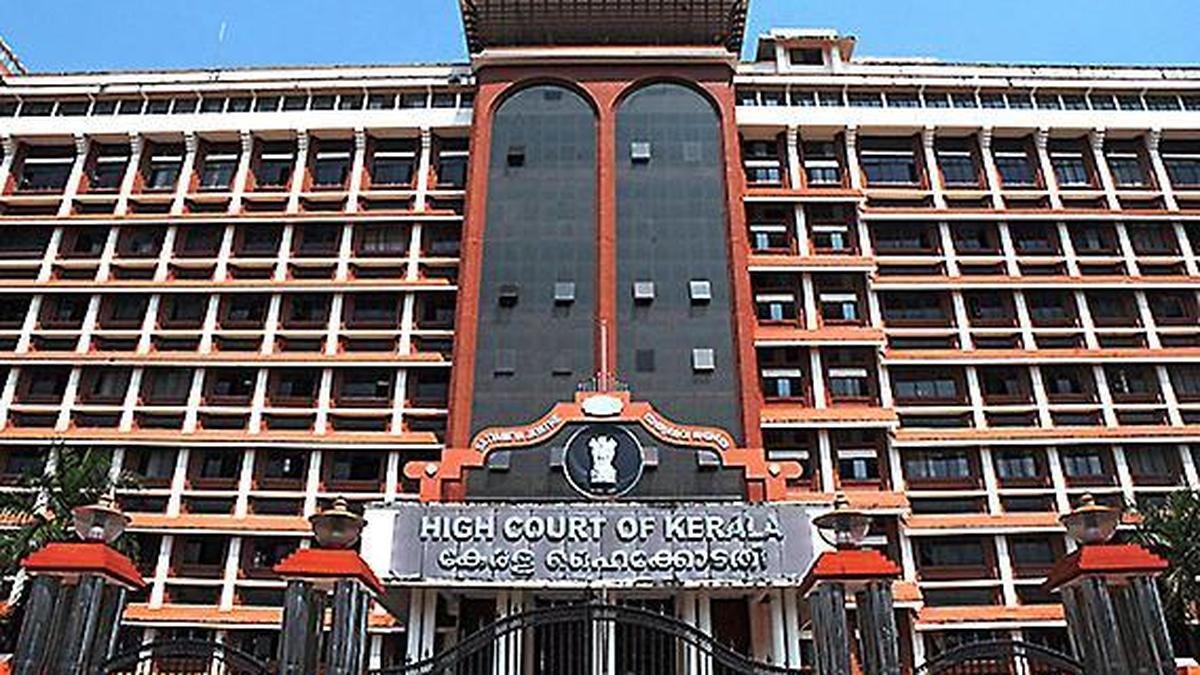
The Kerala High Court recently observed that the compensation awarded under the Victim Compensation Scheme should be independent of and in addition to the compensation levied from the offender.
The court directed the Kasaragod District Legal Services Authority to conduct an inquiry and determine the amount of compensation payable to the survivors, and ensure that the payment is disbursed without undue delay.
The Single Bench of Justice Jobin Sebastian was considering a petition by the survivors in an acid attack, where the offender was sentenced to 12 years of imprisonment and was slapped a fine of ₹40,000 to be paid to the victims. The petitioners contended that the Sessions Court failed to make a recommendation under the Victim Compensation Scheme and that the compensation awarded was ‘grossly inadequate’ considering the nature of their injuries.
The court held that in an acid attack case, the criminal court was under a statutory obligation to consider the question of awarding adequate compensation to the survivors. Victim compensation is intended to ensure the adequate rehabilitation of survivors who have suffered loss or injury, where regular compensation is inadequate, or the offender is unable to pay, the court observed.
Greater significance
The court opined that the obligation assumed greater significance in cases involving acid attacks, where the survivors often require prolonged medical treatment, psychological counselling, rehabilitation, and financial assistance.
The Victim Compensation Scheme could be recommended by a court as needed, and the State or District Legal Services Authority could decide the quantum of compensation to be awarded after due inquiry within two months, according to the Code of Criminal Procedure.
The court held that failure to examine the question of victim compensation by a criminal court while rendering judgment, especially crime involving acid attacks, constituted a serious omission.