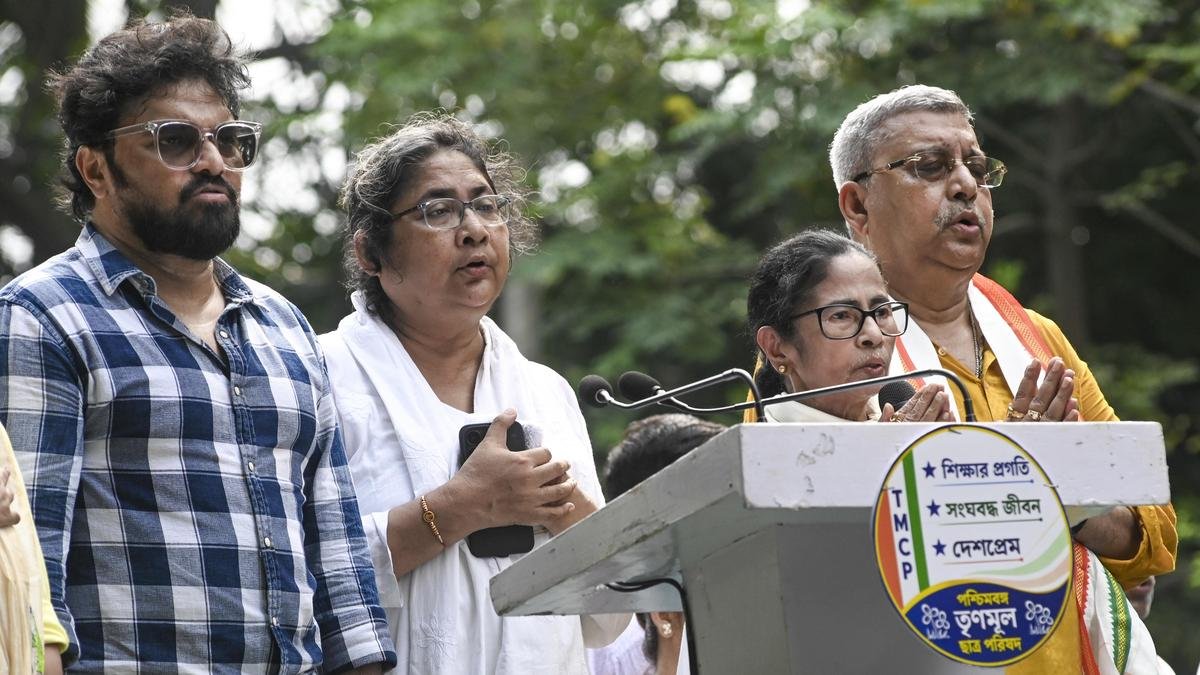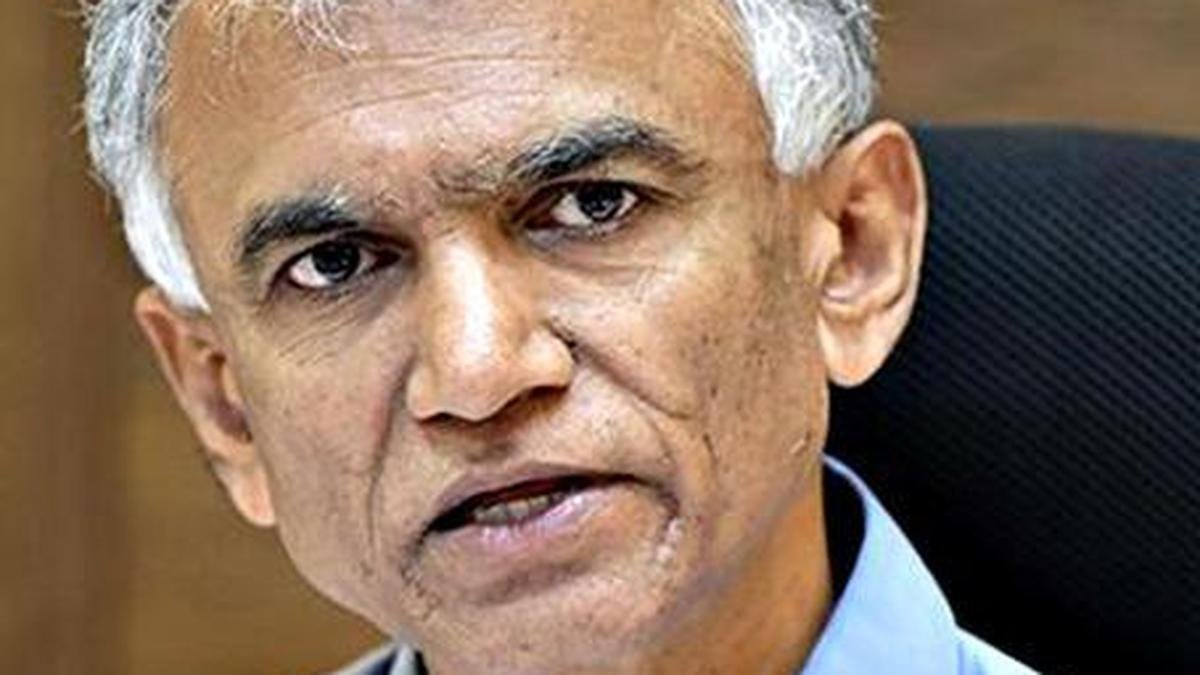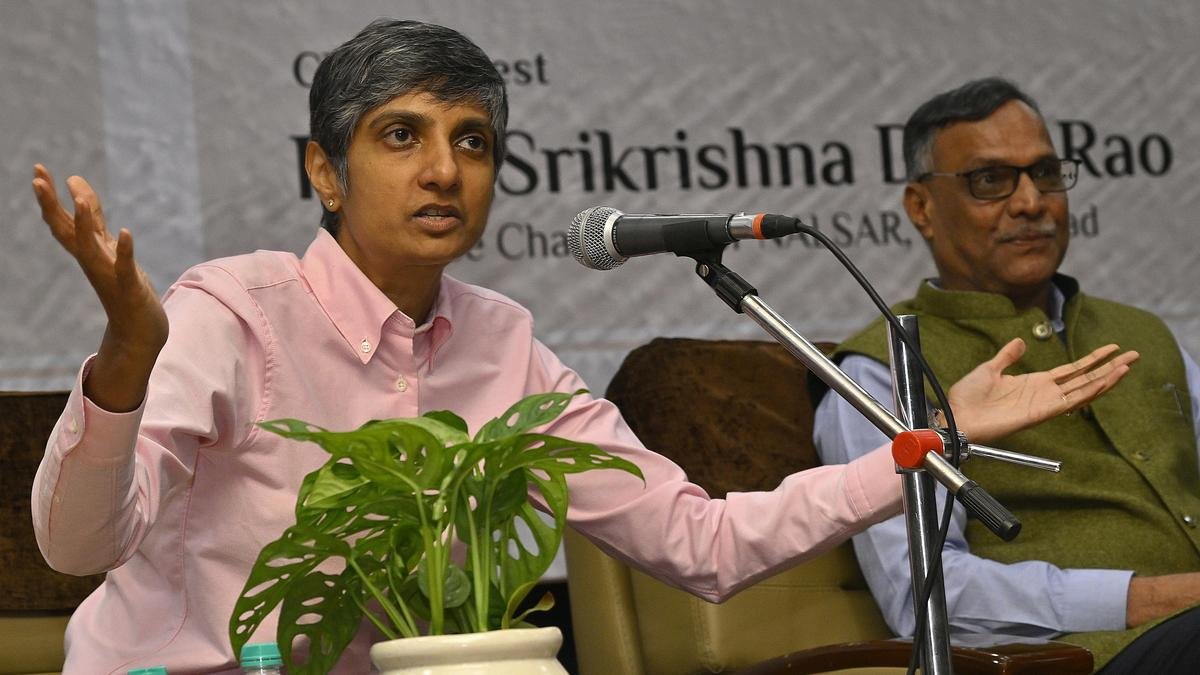
“The EMI arrives on time, but the job may not arrive on time,” said Rajya Sabha MP and Supreme Court lawyer Menaka Guruswamy, delivering the S. Jaipal Reddy Memorial Foundation lecture on ‘Indian Constitution and Its Protection’. Getting to the nub of paper leaks and how they are impacting society, Menaka Guruswamy said the paper leaks and the weak job market went against the pledge or promise made by India’s first Prime Minister Jawaharlal Nehru in his August 14, 1947 speech. A promise that Indians trusted till now.
“For generations, Indian families have been taught a simple formula for mobility. Study hard, get educated, get a degree, get a job, build a better life. It’s one of the most powerful social contracts in modern India. The parents sacrifice, the child studies, the family saves, and education is supposed to turn effort into opportunity. But the first question is becoming increasingly uncomfortable. Who pays for that opportunity?” she said linking the breakdown in trust to slew of protests in Delhi, Jharkhand and Bihar.
She narrated the backdrop of the protests in Delhi in July third week: “For lower middle class and middle class Indians, NEET is not just an exam. It is a chance for a stable, better life. It is coaching fees. It is taking a year or two off from the job market. It is an entire middle class and lower middle class family investing their savings so that their child can clear this exam. But before we talk about the protester, let’s talk about this young citizen,” she said about the scotched dreams of the youngsters in the country.
Speaking at the packed auditorium of Institution of Engineers here on Saturday, with parents Meera and Mohan in attendance, along with a clutch of her teachers, Menaka spoke about her family’s ties to the city as she received warm applause for everything she said.
She broke the address into two parts, one focussed on the job market, paper leaks and the demographic dividend of the country, and the second part on the delimitation exercise, which she said will adversely impact the southern States.
“The Delimitation Amendment Bill, 2026, gives unbridled power to the government to determine the readjustment of seats and the territorial constituencies on the basis of the figures of any Census that it deems fit. This is being misused to politicise the exercise. Further, there seems to be no rationale behind the increase in the seats from 550 to 850 seats,” she said.
“What it would mean in a real way is that should the Delimitation Amendment be passed, for instance, Uttar Pradesh would have 120 seats, and our State of Telangana will have 26 seats. So it means that you, as a government, or as a political party, can capture five large North Indian States and form the undisputed government of your time. Leaving every other State out of this account,” she said making the audience aware of the grim possibility. The lecture was organised by the Jaipal Reddy Foundation in collaboration with Manthan.