The death of actor Nana Patekar, 75, has drawn attention to coronary thrombosis, a condition in which a blood clot forms in an artery supplying the heart.
What causes these clots, who is at risk, and how is the condition diagnosed and treated?
The story so far: According to published accounts of the autopsy report, actor Nana Patekar died after a blood clot blocked the left main coronary artery, which supplies blood to a large part of the heart muscle.
A blockage in this artery can severely restrict blood flow to the heart and cause a heart attack.
The reported finding has drawn attention to coronary thrombosis, the formation of a blood clot within a coronary artery.
Stay active, keep dangerous blood clots at bay What is coronary thrombosis?
.
These arteries carry oxygen and nutrients that the heart needs to function.
When a clot partly or completely blocks an artery, less blood reaches the heart muscle.
If the blood supply is cut off for too long, the heart muscle can become damaged, leading to a heart attack.
The severity depends on how much of the artery is blocked and how quickly blood flow is restored.
This form of thrombosis is often associated with atherosclerosis, in which fatty deposits, cholesterol and other substances build up in the artery walls.
These deposits, called plaques, can remain unnoticed for years.
When a plaque ruptures or its surface is eroded, platelets gather at the site and a clot may form.
The clot can then obstruct blood flow, sometimes suddenly.
Damage to the inner surface of an artery can trigger the process of clot formation.
Additionally, at rupture, the material beneath the plaque’s surface comes into contact with blood, prompting platelets to gather and the clotting process to begin.
A clot may grow quickly and block the artery.
Understanding calcified coronary artery disease and how to prevent it What are the warning signs?
A clot that significantly restricts blood flow through a coronary artery may cause chest discomfort, pressure or tightness.
Pain may spread to the arms, shoulders, back, neck or jaw.
Breathlessness, sweating, nausea, dizziness and unusual fatigue may also occur.
The symptoms depend on the artery affected and the extent of the blockage.
Some people may have less typical symptoms or no obvious warning signs before the blockage becomes serious.
Symptoms alone cannot confirm coronary thrombosis; medical assessment and investigations are needed.
Suspected coronary artery blockage accompanied by chest pain or breathlessness requires emergency medical attention.
Understanding and prioritising heart health in India Who is at risk?
People living with coronary artery disease are at greater risk of coronary thrombosis because fatty deposits can build up in their arteries and trigger clot formation if a deposit ruptures.
Smoking, high blood pressure, high LDL cholesterol, diabetes, physical inactivity and an unhealthy diet can increase the risk of developing this artery disease.
In some cases, a clot may form in an artery affected by other conditions, including inflammation or injury to the blood vessel.
Older age and a family history of heart disease at a younger age are also risk factors.
However it can occur even in people who have not been diagnosed with coronary artery disease.
The underlying plaque build-up may have gone undetected until it triggers the formation of a clot.
Going beyond the metaphor ‘young at heart’ How is this condition diagnosed?
Doctors assess symptoms and medical history and use tests to determine whether a coronary artery is blocked and whether the heart muscle has been damaged.
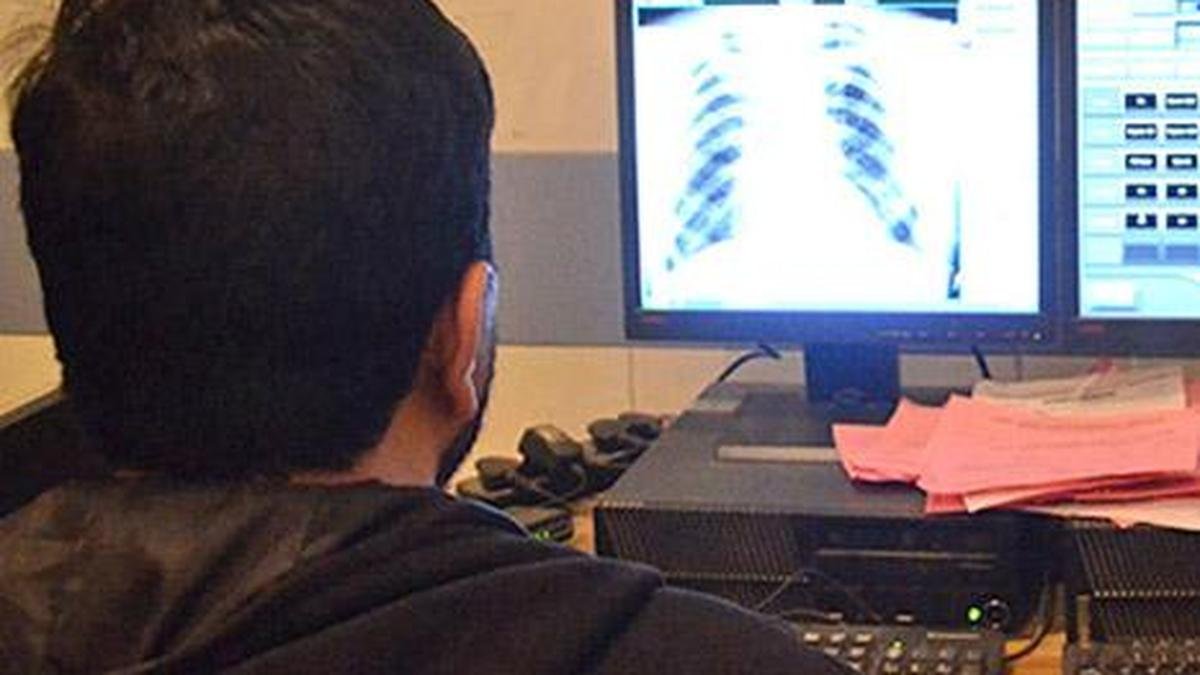
An electrocardiogram (ECG) records the heart’s electrical activity, while blood tests measuring cardiac troponin can help identify damage to the heart muscle.
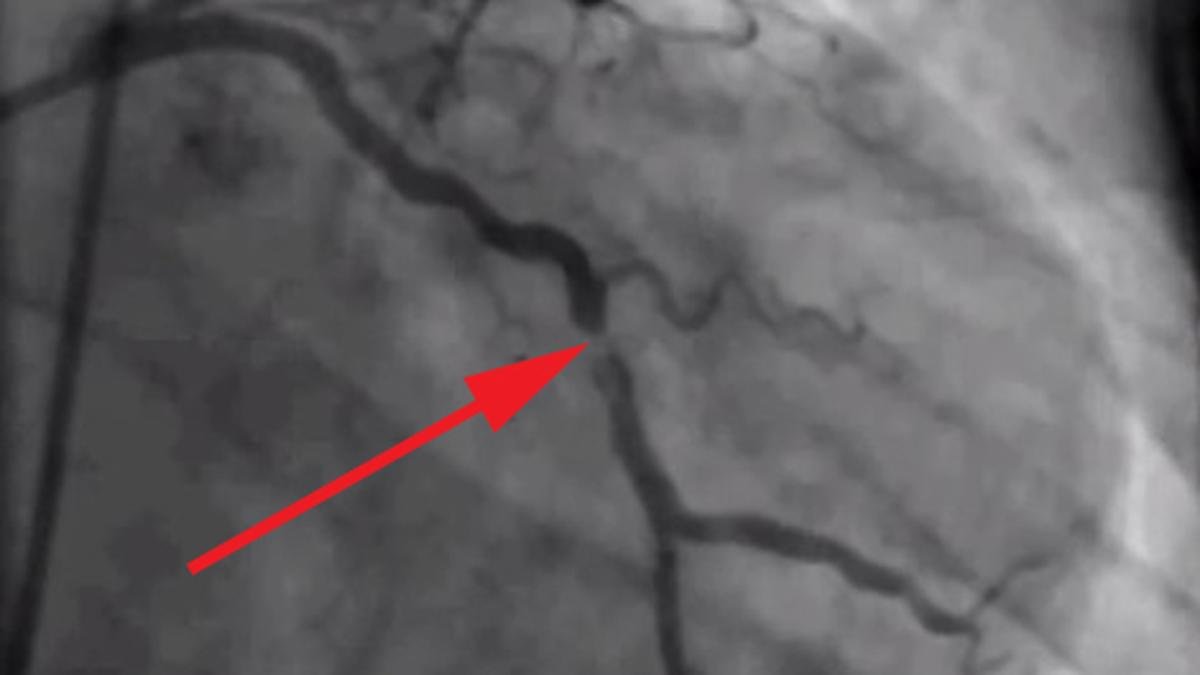
Coronary angiography uses a contrast dye and X-rays to show the coronary arteries and identify the location and extent of a blockage.
This can help doctors decide how best to restore blood flow.
Other tests may be used depending on the patient’s condition.
All you need to know about: angioplasty How is it treated?
Treatment aims to restore blood flow and prevent the clot from growing or new clots from forming.
The approach depends on the location and severity of the blockage and the patient’s condition.
Angioplasty may be used to reopen the affected artery.
A thin tube is guided to the blockage, where a small balloon is inflated to widen the artery.
A stent, a small mesh tube, is often placed to help keep it open.
Doctors may also use antiplatelet medicines, which reduce the tendency of platelets to clump together, and anticoagulants, which interfere with the blood-clotting process.
In selected cases, clot-dissolving medicines may be used.
Coronary artery bypass surgery may be considered when the pattern of blockage makes it a more suitable option.
Preventing further clots involves managing the underlying risk factors and following the prescribed treatment plan.
This may include controlling blood pressure, cholesterol and blood sugar, stopping tobacco use, maintaining physical activity appropriate to the person’s condition and taking prescribed medicines.